


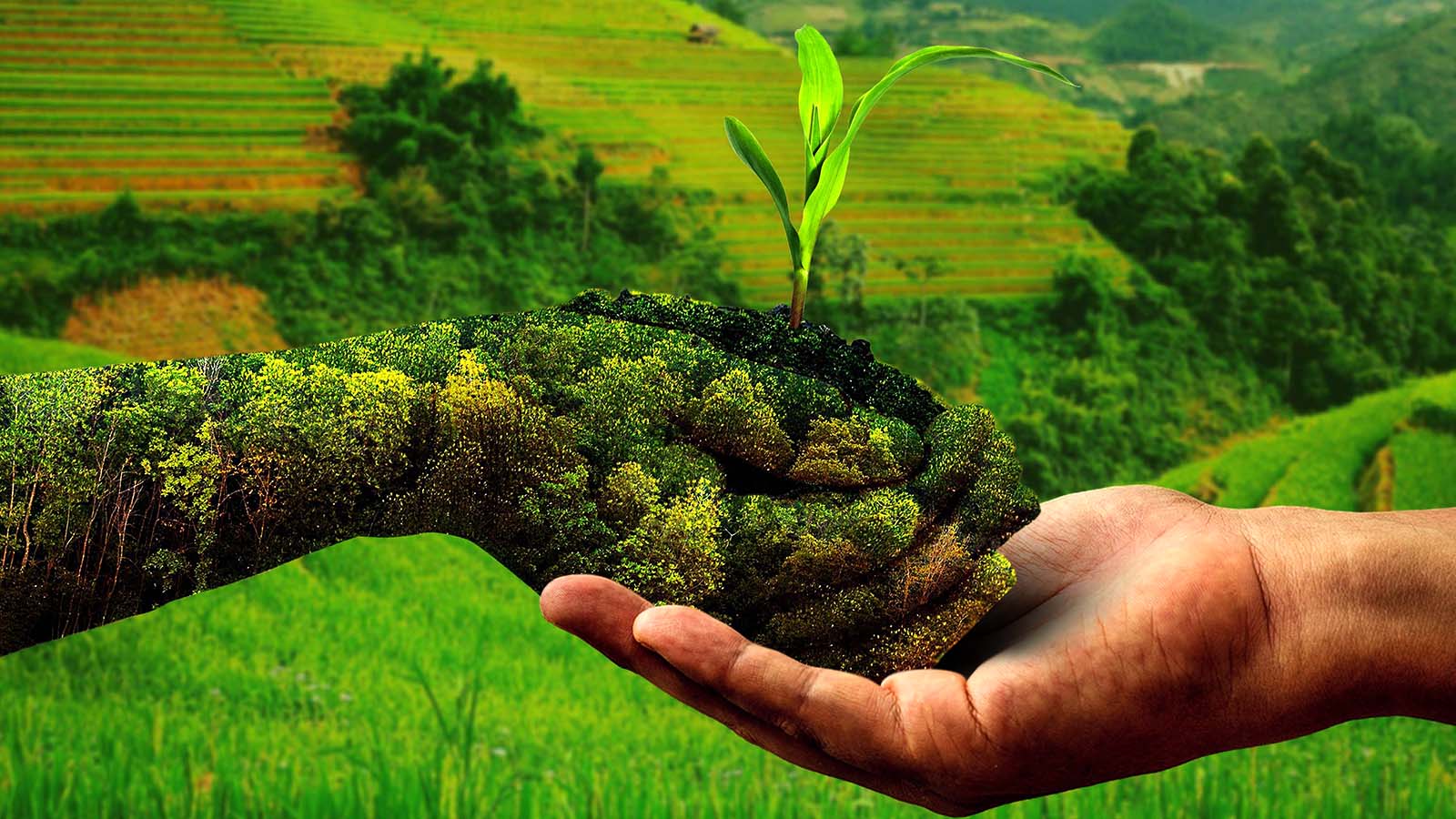
A growing shift toward sustainable agriculture in Surat district is being reflected in the rise of small-scale natural farming initiatives led by local residents seeking environmentally responsible livelihoods. One such example has emerged from a rural household where a woman transitioned from domestic responsibilities to building a successful agricultural venture rooted in the principles of the Surat natural farming movement. Her journey reflects a broader transformation underway in parts of rural Gujarat, where farmers are increasingly experimenting with natural cultivation methods that reduce dependence on chemical fertilisers and pesticides. These practices rely on organic inputs, soil regeneration techniques, and crop diversity to maintain agricultural productivity.
Agricultural experts say the Surat natural farming movement has been gaining traction as farmers look for cost-effective and environmentally sustainable cultivation methods. Natural farming techniques emphasise soil health, microbial activity, and locally available organic inputs such as compost, cow-based formulations, and plant extracts. The shift is particularly significant for small landholders who often struggle with rising input costs associated with conventional farming. By adopting natural methods, farmers can reduce expenditure on chemical fertilisers while improving long-term soil fertility. In Surat’s rural landscape, such initiatives are also contributing to a gradual diversification of local livelihoods. Agricultural economists note that natural farming systems often integrate vegetable cultivation, fruit orchards, and mixed cropping patterns that help farmers generate multiple income streams from the same land. The Surat natural farming movement is also being driven by growing consumer interest in chemical-free produce. Urban markets in cities such as Surat and Ahmedabad are witnessing increased demand for organic vegetables and naturally grown food products, creating new market opportunities for farmers adopting sustainable practices. Women farmers are playing an increasingly visible role in this transformation. Agricultural extension experts say women often lead initiatives involving kitchen gardens, small-scale horticulture, and community farming models that later expand into commercial ventures. In many cases, natural farming provides a pathway for women to enter agricultural entrepreneurship without requiring large capital investments. Training programmes and farmer networks have further supported knowledge sharing around sustainable cultivation techniques. Urban sustainability researchers emphasise that natural farming practices also contribute to climate resilience. Healthier soils retain moisture more effectively, reducing vulnerability to drought conditions while improving biodiversity within agricultural landscapes. The Surat natural farming movement reflects how local agricultural innovation can align with broader environmental goals. By reducing chemical usage and strengthening soil ecosystems, natural farming can help mitigate environmental degradation associated with intensive agriculture.
For rural communities around Surat, these initiatives highlight the potential for sustainable agriculture to support both environmental stewardship and economic stability. As more farmers explore chemical-free cultivation methods, natural farming is gradually emerging as an alternative model that balances productivity with ecological responsibility. Experts believe that continued training, market access, and policy support could further expand the reach of the Surat natural farming movement, helping more farmers transition toward environmentally sustainable agricultural systems in the years ahead.
ALSO READ – Surat Industries Slow As Middle East Tensions Rise
Surat Natural Farming Entrepreneur Inspires Rural Livelihood Shift
