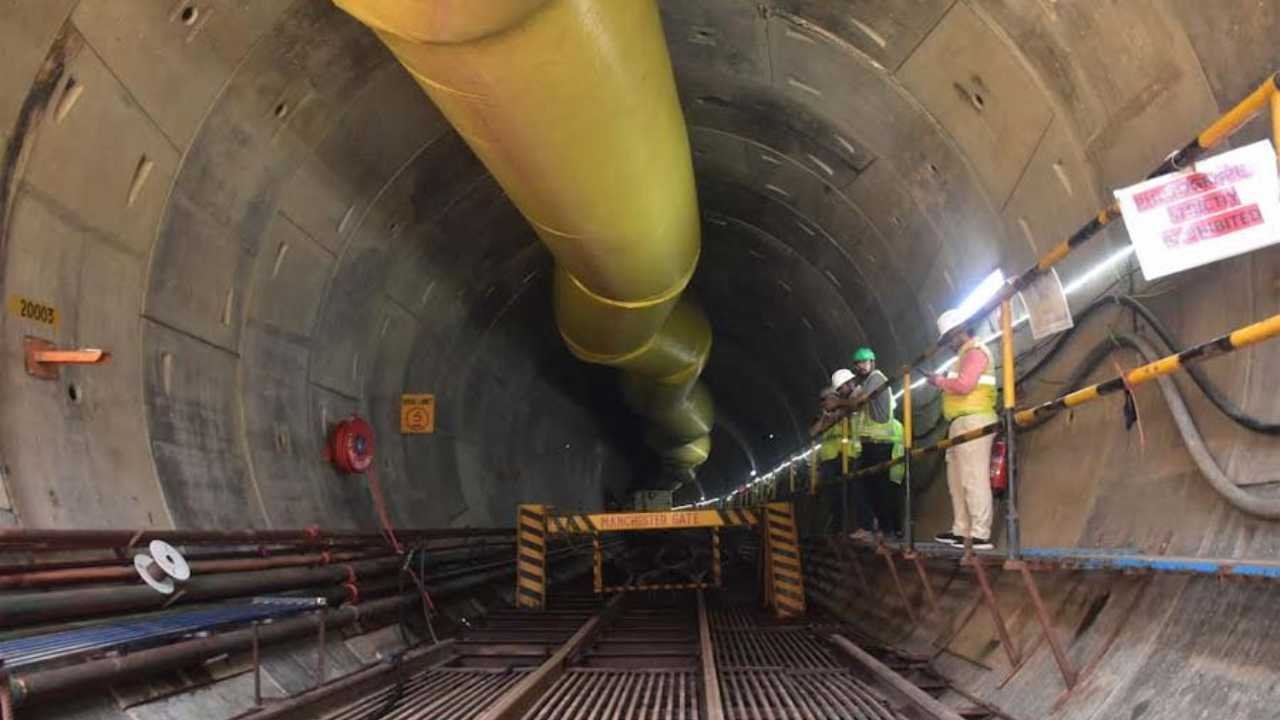
Urban transport in Surat is entering a crucial testing phase as trial runs have begun on an important stretch of the Surat Metro network, marking a major step toward the city’s transition to modern mass transit. The testing phase on an approximately 8.5-kilometre section of the metro line is designed to evaluate train performance, track systems and operational safety before passenger services are introduced.Metro authorities have begun running trains across the newly built elevated corridor to assess signalling, power supply and station infrastructure. These trial operations help engineers verify whether the system can handle regular commuter traffic while maintaining safety standards required for commercial operations.
Surat, widely recognised as a global centre for diamond processing and textile manufacturing, has witnessed rapid population growth and expanding urban boundaries over the past two decades. With more people commuting daily across the city, traffic congestion and travel delays have increased significantly on major roads.The Surat Metro project is expected to play a central role in addressing these mobility challenges. Once operational, the system will offer a high-capacity electric rail network designed to move thousands of passengers per hour while reducing reliance on private vehicles.Transport planners say the metro network is particularly important for cities like Surat where industrial activity and residential development continue to expand simultaneously. Efficient public transport helps workers travel between residential neighbourhoods and employment zones while easing pressure on existing road infrastructure.
The ongoing testing of the Surat Metro corridor includes multiple operational checks. Engineers monitor braking systems, train acceleration, communication signals and passenger platform safety measures. Such tests are typically conducted over several weeks to ensure the system functions reliably under different operating conditions.Urban development experts also note that metro systems often influence how cities grow. Stations frequently become focal points for new commercial buildings, residential complexes and mixed-use developments. This pattern, known as transit-oriented development, encourages compact urban growth around public transport nodes.In Surat, the metro network is expected to connect several important urban districts including residential zones, industrial areas and major commercial centres. Improved connectivity can shorten commute times and increase accessibility to workplaces, education institutions and markets.Environmental planners also emphasise the role of metro systems in reducing urban emissions. Electric rail transport produces far lower per-passenger pollution compared with individual vehicles, making metro networks an essential component of climate-responsive urban infrastructure.
The trial phase is expected to continue as authorities review operational performance and address technical observations before final approvals are granted. Passenger services can begin only after safety certification from the relevant regulatory authorities.For Surat, the commencement of trials signals more than just a new transport system—it represents the city’s broader shift toward sustainable mobility and modern urban infrastructure. As the Surat Metro moves closer to public operations, it is likely to reshape commuting patterns and influence future development across the city’s expanding metropolitan landscape.