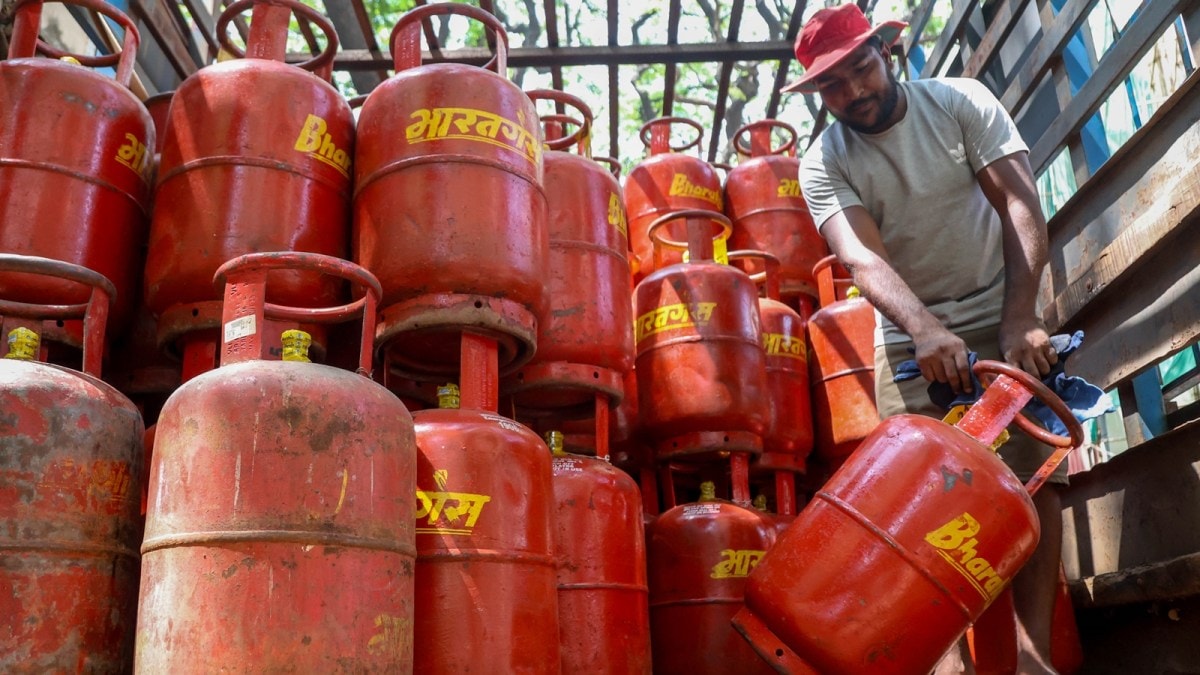
While fuel availability in Surat has stabilised after recent supply concerns, a quieter but deeper challenge is emerging across the city’s outskirts and nearby rural settlements: a growing shortage of household LPG cylinders.Local distributors and residents say that although petrol and diesel supplies have returned to normal across urban fuel stations, many households in peri-urban villages and rural belts around Surat are struggling to secure timely LPG refills. The situation has highlighted structural weaknesses in the region’s cooking fuel distribution system.
The issue is particularly visible in communities located beyond the city’s dense urban core. In these areas, Surat LPG supply chains depend on a limited number of distributors who must cover large service territories. As demand rises and transport logistics tighten, delivery delays have become more frequent.Energy analysts say such disruptions tend to affect rural households disproportionately. While city residents often have multiple distribution outlets nearby, households in villages or newly urbanising settlements may depend on a single delivery route or dealership.For families relying exclusively on LPG for cooking, delayed cylinder deliveries can disrupt daily life and push households to revert temporarily to traditional fuels such as firewood or coal. This shift carries both environmental and health implications, particularly in densely populated areas.The current strain on the Surat LPG supply network also reflects broader urbanisation dynamics. Surat’s rapid expansion has absorbed many surrounding villages into its economic orbit, but service infrastructure has not always kept pace with population growth in these fringe areas.
Urban planners note that energy access is an essential but often overlooked component of sustainable city development. As cities expand outward, utilities—from electricity and water to cooking fuel—must scale up distribution networks to ensure equitable access.In Surat’s case, the city’s industrial growth and rising population have significantly increased household energy demand. Residential clusters continue to grow along major highway corridors and in suburban developments, creating new pressure on logistics networks responsible for cylinder distribution.Experts suggest that improving Surat LPG supply resilience will require investments in additional distribution centres, stronger last-mile delivery systems and better forecasting of demand in rapidly urbanising zones. Digital tracking of cylinder deliveries and expanded dealership networks could also help reduce delays.Energy policy specialists also emphasise the importance of maintaining reliable clean cooking fuel access. LPG adoption has been central to efforts to reduce indoor air pollution and improve public health outcomes, particularly for women who spend long hours in household kitchens.
As Surat continues its transformation into one of India’s fastest-growing urban economies, ensuring dependable energy services for both urban and rural residents will remain a critical challenge.Addressing LPG distribution gaps in the city’s expanding periphery may therefore become an important part of building a more inclusive and resilient urban energy system.