


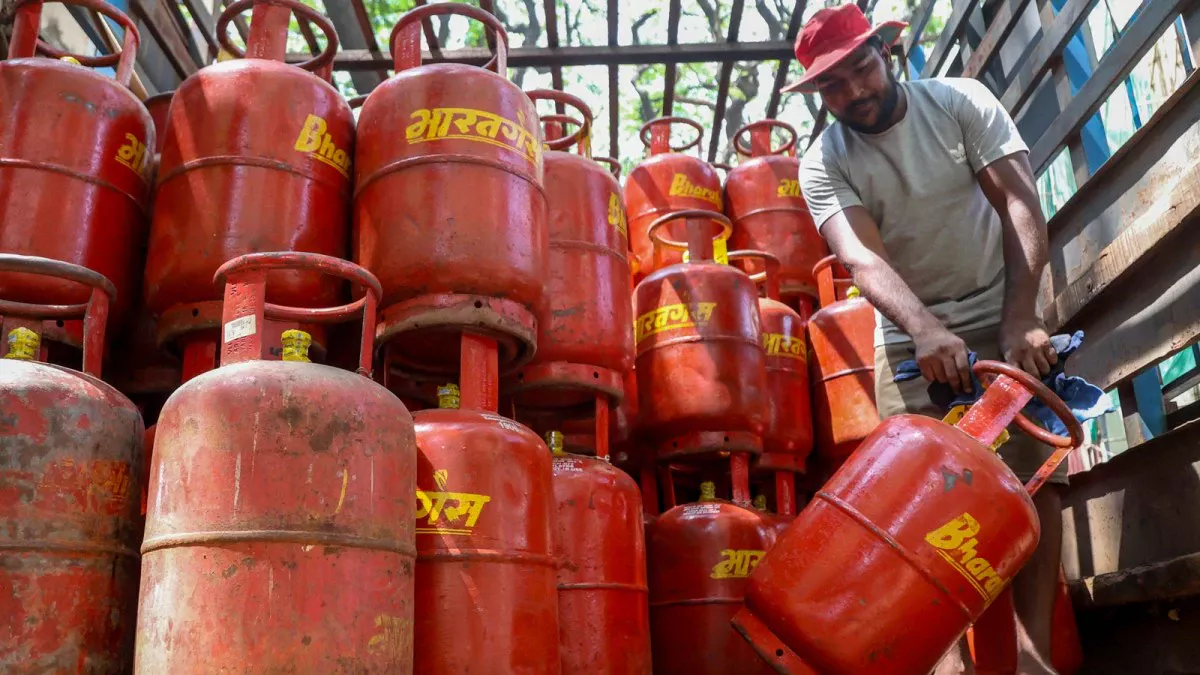
A sudden disruption in cooking fuel availability is triggering an unexpected labour shift in Surat, with migrant workers beginning to leave the city despite steady employment opportunities. The Surat LPG crisis, linked to global supply disruptions, is now spilling over into local industry and urban stability, exposing the vulnerability of cities dependent on external energy supply chains. At key transit points such as railway stations, workers have been returning to their home states, citing difficulties in accessing affordable cooking fuel. For many, the inability to secure LPG for daily use has become a decisive factor, even outweighing the availability of work in Surat’s industrial sectors.
The Surat LPG crisis is part of a broader national challenge triggered by geopolitical tensions in West Asia, which have disrupted energy flows through critical routes such as the Strait of Hormuz. India relies heavily on imports for LPG, and supply interruptions have led to shortages and rising prices across multiple cities. In Surat, the impact is particularly visible due to the city’s dependence on migrant labour, especially in industries such as textiles and small-scale manufacturing. As workers begin to leave, businesses are facing the risk of labour shortages, potentially affecting production cycles and output. Urban economists note that the Surat LPG crisis highlights an often-overlooked aspect of infrastructure—household energy access as a determinant of labour stability. While industrial employment may be available, basic living conditions, including access to affordable cooking fuel, play a crucial role in sustaining workforce participation. The situation also reveals the interconnected nature of global events and local urban economies. A disruption thousands of kilometres away is now influencing migration patterns, industrial output, and urban services in a key Indian manufacturing hub. Experts suggest that the crisis is exposing structural gaps in urban energy planning. Cities like Surat, which have expanded rapidly, often lag in the rollout of alternative energy infrastructure such as piped natural gas (PNG). In the absence of reliable alternatives, households remain dependent on LPG, making them vulnerable to supply shocks. The Surat LPG crisis also raises concerns about urban resilience. As cities aim to grow economically, ensuring stability in essential services becomes critical. Energy access, much like water and housing, is increasingly seen as a foundational element of urban sustainability. From a policy perspective, the situation is prompting calls for diversification of energy sources and faster expansion of decentralised networks. Encouraging a shift towards PNG and electric cooking solutions could reduce dependence on imported fuels and improve resilience against global disruptions. The economic implications extend beyond immediate labour shortages. If the outflow of workers continues, sectors that rely on continuous production cycles may face delays, increased costs, and reduced competitiveness.
As authorities monitor the evolving situation, the Surat LPG crisis serves as a stark reminder of how global supply chains can influence local urban dynamics. The coming weeks will be critical in determining whether stabilising fuel supply can reverse the trend and restore workforce confidence. Looking ahead, the episode underscores the need for cities to integrate energy security into urban planning—ensuring that growth is supported not just by jobs, but by reliable and accessible basic services that sustain everyday life.
ALSO READ – Surat Weather Shift Highlights Rising Climate Variability
Surat LPG Crisis Triggers Migrant Worker Exodus
