


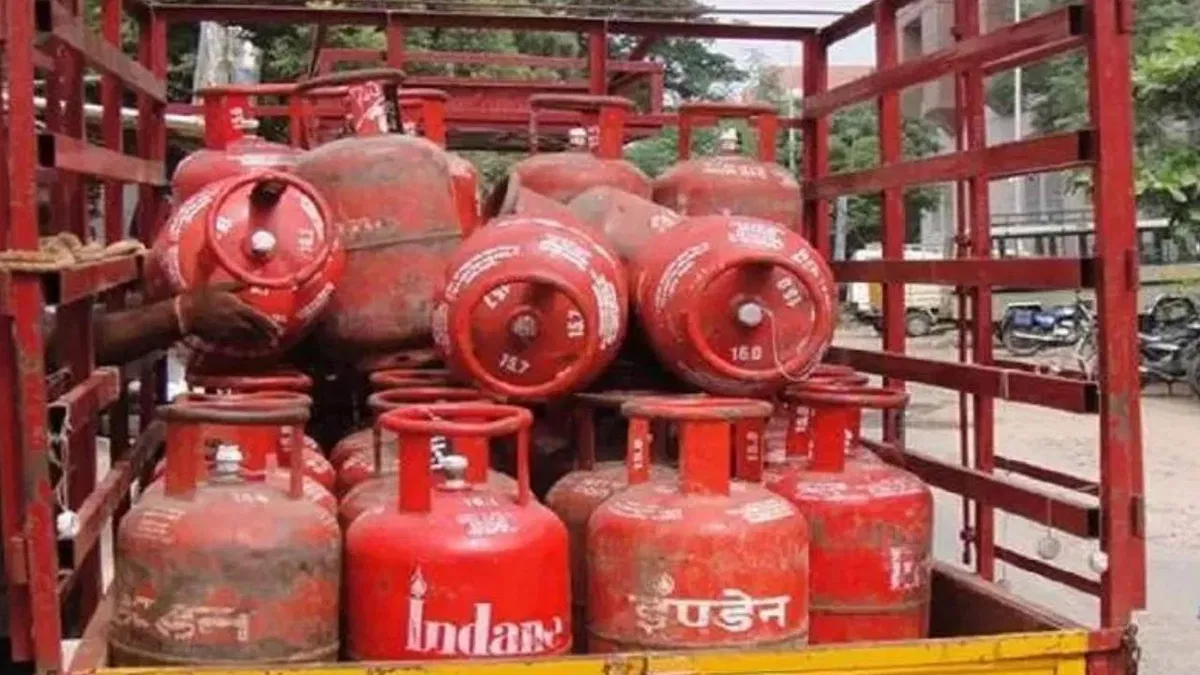
Surat’s industrial ecosystem is facing renewed strain as an LPG supply disruption impacts thousands of textile workers, highlighting the fragile intersection between energy access and urban labour stability. The situation has begun to affect daily life in worker communities, with ripple effects across one of India’s largest textile hubs. The Surat LPG crisis has led to reduced availability of cooking gas, forcing many workers—particularly migrants—to rely on alternative arrangements or cut back on basic needs. Industry observers note that while the disruption originates in energy supply constraints, its consequences are being felt most acutely at the household level.
Urban economists point out that cities like Surat depend heavily on migrant labour to sustain industrial output. When essential services such as cooking fuel become unreliable, it can disrupt workforce stability, affecting productivity and potentially slowing industrial activity. The Surat LPG crisis therefore has implications that extend beyond domestic inconvenience to economic performance. The issue is closely linked to broader supply disruptions in energy markets, influenced by geopolitical developments and logistical constraints. As LPG distribution is prioritised for domestic use, variations in supply allocation can create uneven access across regions. In dense industrial cities, where demand is concentrated, such fluctuations can quickly escalate into widespread challenges. From a social perspective, the Surat LPG crisis underscores vulnerabilities within urban labour systems. Many workers live in shared or informal housing arrangements with limited storage capacity and access to alternative fuels. This makes them particularly sensitive to supply interruptions, with immediate impacts on nutrition, health, and daily routines. There are also urban planning implications. The concentration of large worker populations in specific industrial clusters requires robust provisioning of essential services, including energy, water, and sanitation. Experts suggest that integrating worker housing with reliable service infrastructure is critical for ensuring long-term sustainability. The Surat LPG crisis also raises questions about energy resilience. Cities that rely on centralised distribution systems are more exposed to supply shocks. Diversifying energy sources, improving storage and distribution networks, and promoting cleaner alternatives such as electric cooking solutions can help reduce vulnerability over time. From a governance standpoint, coordination between energy suppliers, local authorities, and industry stakeholders will be essential to stabilise the situation. Ensuring equitable distribution and preventing supply bottlenecks are key priorities in managing such disruptions.
Looking ahead, the resolution of the Surat LPG crisis will depend on restoring consistent supply and addressing structural gaps in distribution systems. Experts emphasise that long-term solutions must focus on building resilient urban energy networks that can withstand external shocks. As Surat continues to expand as a manufacturing powerhouse, ensuring reliable access to essential services for its workforce will remain central to sustaining economic growth and maintaining social stability.
ALSO READ – Surat Multimodal Logistics Hub Boosts Freight Connectivity
Surat LPG Crisis Disrupts Textile Worker Livelihoods
