


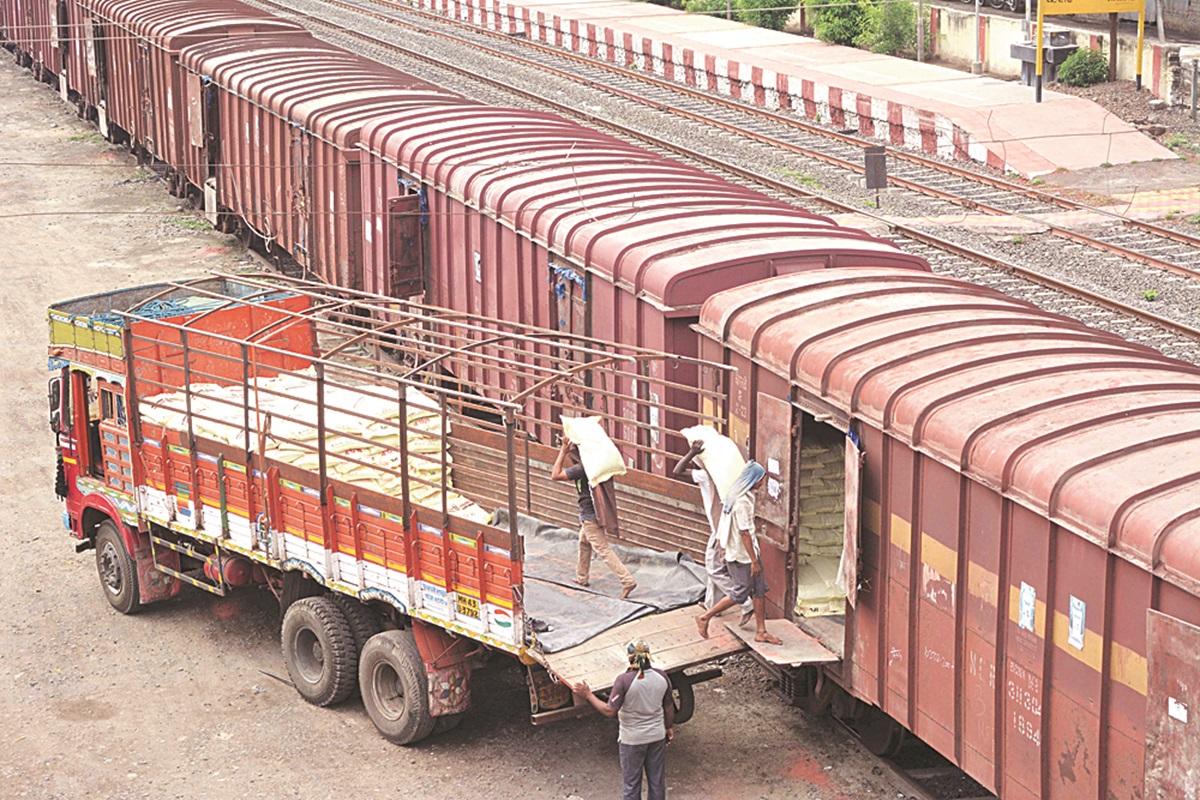
Surat’s multimodal freight infrastructure is advancing under India’s evolving railway strategy, with a major logistics hub crossing a key construction milestone. The development reflects a broader push to modernise freight movement and integrate transport systems across the country. The Surat logistics hub milestone marks significant progress in the first phase of a large-scale project designed to combine rail, road, and warehousing infrastructure within a single ecosystem. Officials associated with the project indicate that the facility will streamline cargo handling and improve efficiency across supply chains once operational.
Urban infrastructure experts note that multimodal logistics hubs are central to reducing India’s logistics costs, which remain higher than global benchmarks. By enabling seamless transfers between transport modes, such facilities can cut transit times, reduce handling inefficiencies, and improve reliability for industries. Surat’s role in this network is particularly significant given its strong industrial base. The city’s textile and diamond sectors generate substantial freight volumes, requiring efficient connectivity to domestic markets and export gateways. The Surat logistics hub milestone is expected to strengthen these linkages, enhancing the city’s competitiveness. From a planning perspective, the project highlights the importance of integrating infrastructure with urban growth. Logistics hubs often influence land use patterns, attracting ancillary industries, warehousing clusters, and service providers. Experts caution that such development must be managed carefully to prevent congestion and ensure balanced expansion. The Surat logistics hub milestone also aligns with national efforts to develop dedicated freight corridors and improve rail-based cargo movement. Shifting freight from road to rail can reduce congestion, lower emissions, and improve overall transport efficiency, contributing to more sustainable urban systems. There are economic implications as well. Infrastructure investments of this scale can generate employment, stimulate local economies, and attract further investment. For Surat, the project is likely to reinforce its position as a key industrial and logistics centre in western India. Sustainability considerations are increasingly central to such developments. Experts suggest that incorporating energy-efficient designs, renewable energy sources, and optimised land use can enhance the environmental performance of logistics infrastructure. Given the scale of the project, these elements can play a significant role in reducing its carbon footprint. Governance and execution will be critical to the project’s success. Coordination between railway authorities, local governments, and industry stakeholders is essential to ensure timely completion and effective integration with existing networks.
Looking ahead, the completion of the first phase will be a key step in operationalising the facility. As the project progresses, it is expected to play a pivotal role in reshaping regional supply chains and improving freight efficiency. As India continues to invest in infrastructure modernisation, developments like the Surat logistics hub milestone highlight the shift towards integrated, efficient, and sustainable transport systems that support long-term economic growth.
ALSO READ – Nagpur Tender Scrutiny Raises Concerns Over Quality Bids
Surat Logistics Hub Reaches Milestone In Railway Blueprint
