


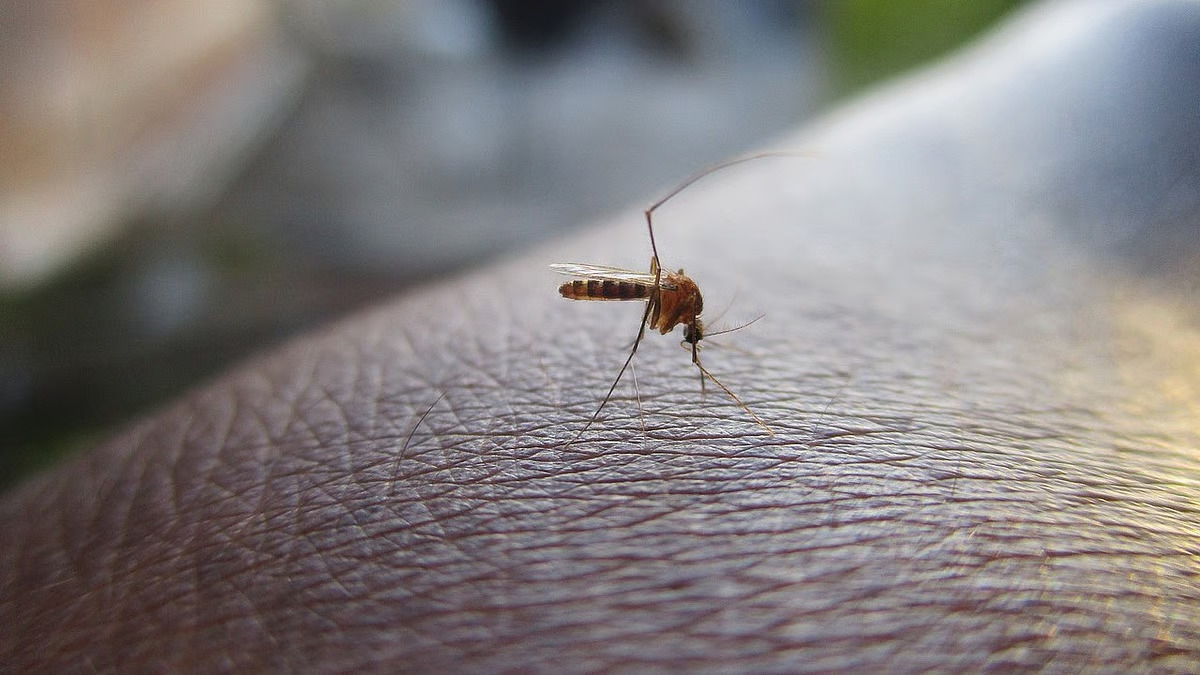
Public health inspections in Surat have uncovered mosquito breeding sites inside several hospital premises, prompting civic authorities to intensify vector control measures across the city’s healthcare facilities. The discovery has raised concerns about sanitation practices and disease prevention within environments that are expected to maintain strict hygiene standards. Officials from the municipal health department conducted inspections at multiple hospitals as part of routine monitoring aimed at preventing the spread of mosquito-borne illnesses such as dengue and malaria. During these visits, teams identified stagnant water sources and other conditions that allowed mosquitoes to breed within hospital compounds.
The findings highlight the ongoing challenge of managing Surat mosquito breeding risks in dense urban environments where water accumulation can occur in construction zones, storage containers and poorly maintained drainage areas. Municipal authorities said notices were issued to hospital managements after inspectors identified breeding spots. Hospitals have been instructed to remove stagnant water, clean drainage channels and implement preventive measures to ensure such conditions do not recur. Urban health experts say healthcare institutions must maintain especially strict sanitation protocols because they serve vulnerable populations. Patients admitted to hospitals often have weakened immune systems, making them more susceptible to infections transmitted by mosquitoes. The issue also reflects broader urban health challenges faced by rapidly expanding cities. High population density, frequent construction activity and intermittent water storage practices can create favourable conditions for mosquito breeding if sanitation systems are not carefully managed. The Surat mosquito breeding discovery comes as municipal authorities intensify vector surveillance ahead of the monsoon season. Cities typically witness a rise in mosquito-borne diseases during periods of increased humidity and rainfall when water stagnation becomes more common. Public health officials have been conducting regular inspections in residential areas, construction sites and public institutions to identify potential breeding grounds early. Preventive action during the pre-monsoon period is considered critical to reducing the spread of diseases later in the year. Urban planners note that effective vector control requires coordination between municipal authorities, healthcare institutions and community members. Regular cleaning of water storage containers, proper waste management and improved drainage infrastructure are essential components of mosquito control strategies. Environmental health experts emphasise that hospitals should act as models of hygiene compliance within cities. When healthcare facilities maintain strict sanitation practices, they set an example for other institutions and residential communities.
Municipal teams have indicated that follow-up inspections will be conducted to ensure compliance with health guidelines. Hospitals failing to address the issue may face penalties under public health regulations. As Surat prepares for the upcoming monsoon season, addressing Surat mosquito breeding risks will remain a priority for civic authorities. Strengthening preventive measures across public and private institutions could help reduce the likelihood of outbreaks and protect urban populations from mosquito-borne diseases.
ALSO READ – Surat Textile Industry Faces Cost Surge Amid Global Tensions
Surat Hospitals Flagged For Mosquito Breeding Risk
