


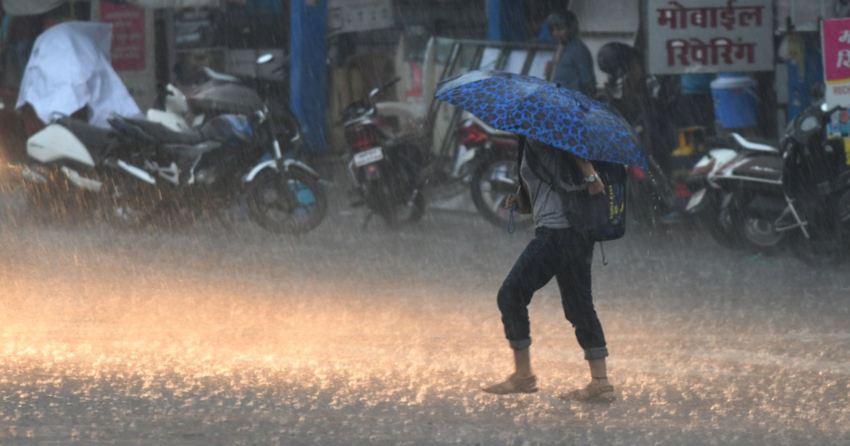
Gujarat is entering an unusually volatile weather phase as temperatures in several districts climb beyond 40°C even before the middle of March, raising concerns about urban heat stress and infrastructure resilience across rapidly expanding cities. Meteorological forecasts now indicate that the ongoing Gujarat heatwave may soon be interrupted by isolated rainfall and thunderstorms, offering temporary relief but highlighting the growing unpredictability of regional climate patterns. Across urban centres including Ahmedabad, Rajkot, Surat and Vadodara, daytime temperatures have surged well above seasonal norms, crossing the threshold typically used to classify heatwave conditions in the plains. Weather officials note that some locations have already recorded readings exceeding 41–42°C during the early weeks of March — levels more commonly associated with late summer.
Meteorologists attribute the early spike to hot, dry winds moving from desert regions and persistent clear skies that intensify daytime heating. The India Meteorological Department has issued advisories warning that heatwave conditions are likely to continue in parts of Gujarat and neighbouring regions during the first half of March before gradually easing. However, weather models now indicate the possibility of scattered rainfall and thundershowers across several districts later in the week, triggered by a western disturbance moving across northern India. The system could lead to a short-term fall in temperatures of around 2–4°C in parts of the state, according to meteorological assessments. While rainfall may offer temporary relief, urban planners say the early arrival of extreme heat signals a deeper challenge for rapidly growing cities in western India. The Gujarat heatwave is emerging as a test case for how cities manage rising temperatures alongside dense construction, expanding transport corridors and limited tree cover. Urban development specialists warn that prolonged heat spells can significantly increase electricity demand for cooling, strain water supply networks, and worsen health risks for outdoor workers. Construction labourers, delivery personnel and street vendors are among the groups most exposed to prolonged heat stress during peak daytime hours. Public health officials in several cities have already begun advising residents to limit outdoor activity during midday hours and maintain hydration. Such advisories have become increasingly common in recent summers as climate scientists report a steady rise in the frequency and intensity of heatwaves across western India. For policymakers, the present Gujarat heatwave also highlights the urgency of climate-sensitive urban design. Experts point to solutions such as reflective roofing, expanded urban tree cover, shaded pedestrian infrastructure and climate-responsive building materials as essential for mitigating heat exposure in dense urban environments.
With forecasts suggesting that India could see an above-average number of heatwave days during the 2026 summer season, the coming months may test how well cities adapt to a hotter climate. Short bursts of rainfall may ease immediate discomfort. But for Gujarat’s fast-growing urban centres, the longer-term question remains how infrastructure, planning and public health systems can adapt to rising temperatures that are arriving earlier each year.
ALSO READ – Surat Water Tank Collapse Raises Infrastructure Questions
Surat Heatwave And Unseasonal Rain Forecast
