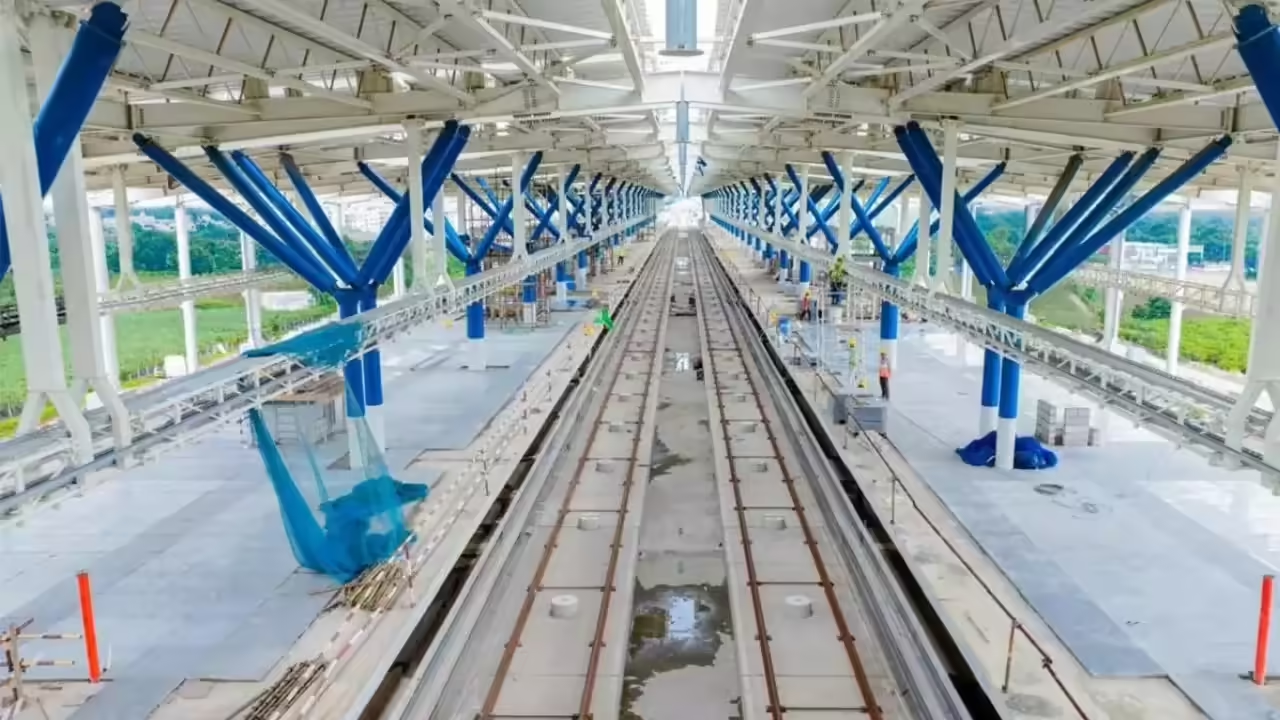
Surat Bullet Train Station Showcases Diamond Inspired Design
Surat’s upcoming high-speed rail terminal is beginning to take shape as a landmark piece of infrastructure, with new visuals highlighting a diamond-inspired architectural design and integrated smart mobility features planned for the station. The facility will serve as one of the major stops on India’s first bullet train corridor linking Mumbai and Ahmedabad.The design reflects Surat’s global identity as a centre for diamond processing and trade. Architectural elements of the Surat bullet train station incorporate geometric patterns inspired by cut diamonds, symbolically connecting the city’s industrial heritage with the next generation of transport infrastructure.
Urban transport planners say the station will function not only as a rail terminal but also as a multimodal transit hub. The project includes provisions for seamless connections with local transport systems such as buses, taxis and potential metro or rapid transit services, enabling smoother passenger movement across the city.The Surat bullet train station is part of the Mumbai–Ahmedabad High-Speed Rail corridor, India’s first project designed for trains capable of speeds exceeding 300 km per hour. Once operational, the corridor is expected to dramatically reduce travel time between major economic centres in western India.Infrastructure experts say high-speed rail stations often become catalysts for urban transformation. Surrounding areas typically witness new commercial development, hospitality projects and mixed-use real estate as improved connectivity attracts business activity and investment.
In Surat, planners anticipate that the station precinct could evolve into a major urban node supporting offices, hotels and retail facilities. Transit-oriented development around the station is expected to encourage compact growth and improve accessibility for commuters.The station’s design also incorporates smart infrastructure features aimed at improving passenger experience and operational efficiency. These include digital information systems, advanced security technologies and energy-efficient building systems aligned with modern transit standards.Transport economists note that the high-speed rail corridor could strengthen Surat’s economic connectivity with Mumbai and Ahmedabad—two of India’s most influential financial and industrial centres. Faster travel times may enable business professionals to move more easily between these cities while expanding regional economic networks.Urban planners emphasise that such infrastructure projects must be carefully integrated with existing city transport systems. Effective last-mile connectivity, pedestrian access and sustainable mobility options will be crucial to ensure that the benefits of the station reach a wide range of residents.
Environmental planners also highlight the importance of energy-efficient building design and green infrastructure around large transport hubs. Modern rail stations increasingly incorporate solar power systems, rainwater harvesting and sustainable construction materials to reduce environmental impact.As construction progresses, the Surat bullet train station is expected to become one of the most recognisable infrastructure landmarks in the city. Beyond serving as a gateway to the high-speed rail network, the station may also symbolise Surat’s evolving identity as a global manufacturing hub connected through next-generation transport infrastructure.