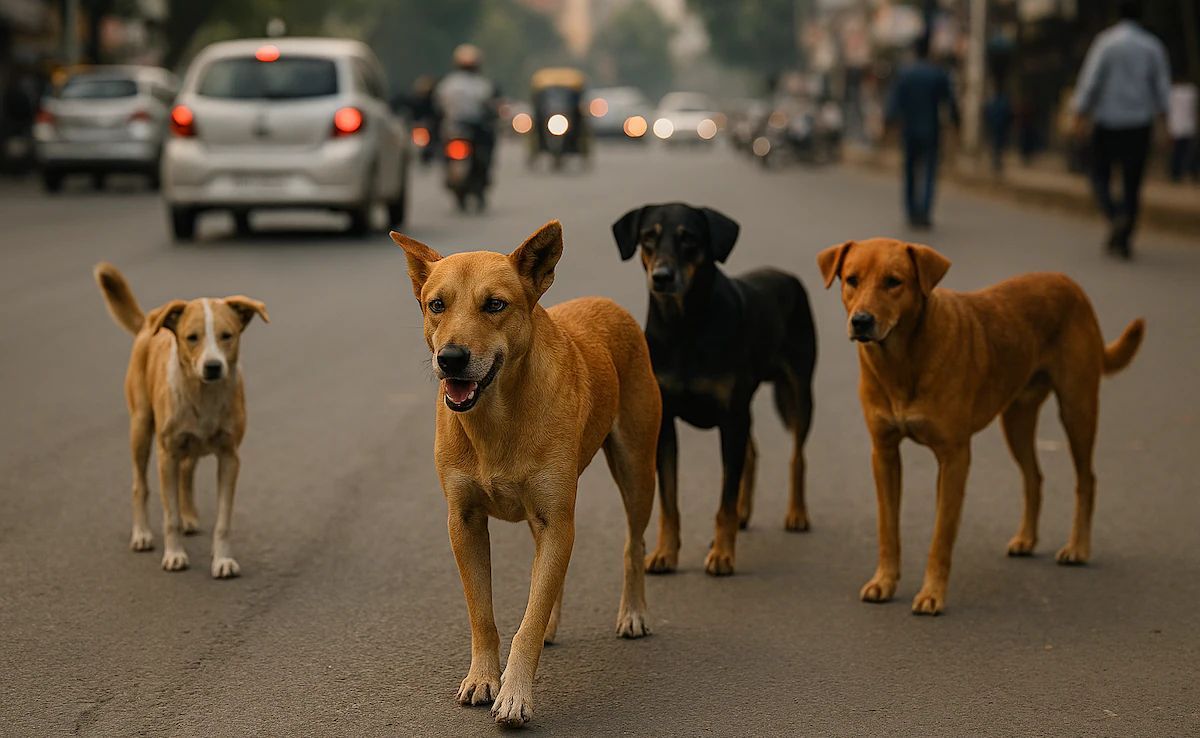
Surat’s urban animal welfare ecosystem is facing disruptions as prolonged inactivity of the city’s statutory animal welfare body has slowed key initiatives, raising concerns over governance gaps in managing stray and vulnerable animal populations.The Society for Prevention of Cruelty to Animals (SPCA) in Surat has reportedly not held regular meetings for over a year, affecting coordination and decision-making on animal welfare measures. The absence of institutional oversight has led to delays in programmes such as sterilisation drives, rescue operations, and rehabilitation efforts—critical components of urban animal management systems.
The Surat SPCA issue highlights the importance of functional governance structures in ensuring humane and effective urban management. SPCA bodies play a key role in aligning municipal authorities, veterinary services, and civil society organisations to address challenges related to stray animals, public safety, and animal health.Without regular meetings and policy direction, implementation of welfare programmes has slowed, affecting both animal care and public health outcomes. In densely populated cities like Surat, unmanaged stray populations can lead to increased risks of accidents, zoonotic diseases, and conflicts between residents and animals.Urban planners note that animal welfare is an often-overlooked aspect of city governance, despite its direct link to public health and liveability. Effective management requires coordinated action across departments, including sanitation, healthcare, and civic administration.The Surat SPCA situation also reflects broader institutional challenges, where statutory bodies may become inactive due to administrative delays or lack of prioritisation. Such gaps can weaken enforcement of animal welfare regulations and reduce accountability in service delivery.
Experts emphasise that sterilisation and vaccination programmes are essential for maintaining balanced urban ecosystems. Interruptions in these initiatives can lead to population surges among stray animals, placing additional pressure on already strained municipal resources.From a sustainability perspective, humane animal management is integral to building inclusive and resilient cities. Addressing animal welfare through structured governance mechanisms ensures that urban development remains sensitive to both human and non-human inhabitants.The slowdown in welfare activities has also affected non-governmental organisations and volunteers who rely on SPCA coordination for resources, permissions, and logistical support. This has created operational challenges for grassroots efforts aimed at animal rescue and care.Authorities are expected to take steps to revive the functioning of the SPCA, including convening meetings and reactivating pending programmes. Strengthening institutional frameworks will be critical to restoring momentum in animal welfare initiatives.
Looking ahead, the Surat SPCA issue underscores the need for consistent governance and accountability in urban systems. As cities grow and become more complex, ensuring that all aspects of urban life—including animal welfare—are effectively managed will be essential to maintaining balance and sustainability.Reactivating the SPCA and improving coordination between stakeholders could help Surat rebuild its animal welfare framework, ensuring that both civic priorities and humane considerations are addressed in tandem as the city continues to expand.