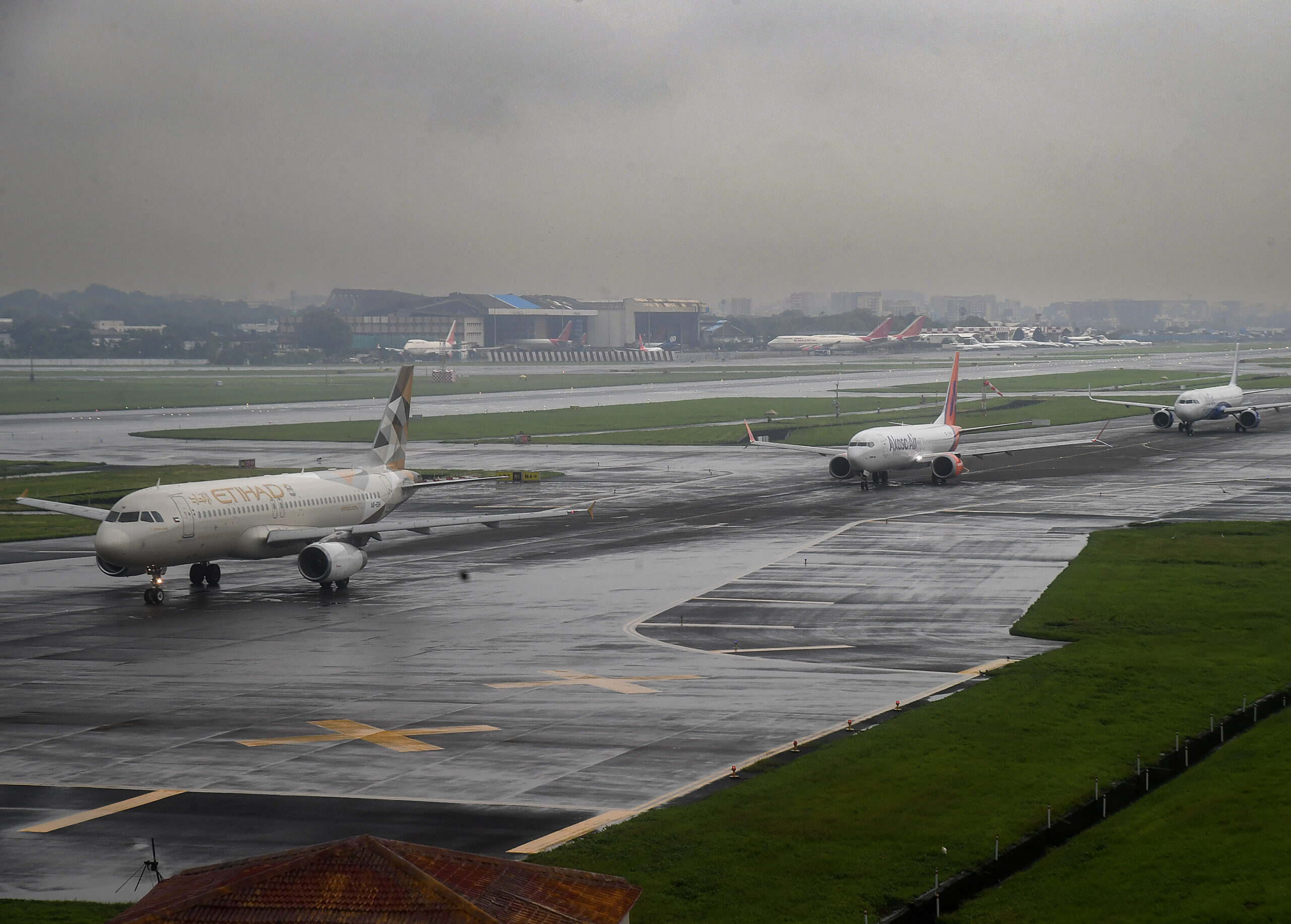
Surat airport wildlife strike raises aviation safety concerns
A flight departing from Surat International Airport encountered an unexpected disruption after colliding with a wild animal during take-off, highlighting the growing challenge of wildlife management around urban airports. The Surat airport wildlife strike occurred when an aircraft operating on the Hyderabad route struck a jackal on the runway, forcing aviation authorities to assess the situation before clearing further operations. Airport officials confirmed that the aircraft was preparing for departure when the animal entered the runway area. The collision resulted in a brief operational disruption while ground teams conducted inspections to ensure the aircraft and runway infrastructure remained safe for continued use. Aviation safety procedures require thorough checks following such incidents to verify that engines, landing gear and other critical components have not been damaged.
Wildlife strikes are a recognised risk in aviation, particularly at airports located near open land, wetlands or semi-urban landscapes where animals may stray onto runways. The Surat airport wildlife strike has renewed attention on the importance of perimeter security and habitat management around airports to prevent animals from entering operational zones. Urban development around airports can sometimes increase the likelihood of wildlife encounters. As cities expand, previously undeveloped land surrounding airfields may attract animals searching for food or shelter. In some cases, poorly managed waste disposal sites near airports can also draw wildlife closer to runways. Aviation experts note that airports across India have implemented multiple layers of protection to minimise such risks. These include boundary fencing, regular runway patrols, wildlife monitoring teams and specialised deterrent systems designed to keep animals away from aircraft movement areas. Despite these precautions, incidents involving birds and animals occasionally occur. Wildlife strikes can damage aircraft engines or structural components if the impact occurs at high speed. For this reason, aviation authorities require pilots and ground teams to follow strict inspection protocols whenever a collision with wildlife is suspected. The Surat airport wildlife strike also highlights the intersection between urban infrastructure and surrounding ecosystems. Airports often sit on the edges of rapidly growing cities, where expanding development can alter local wildlife habitats and movement patterns. Urban planners and aviation safety experts emphasise that managing wildlife risks requires coordination between airport authorities, municipal bodies and environmental agencies. Measures such as proper waste management, habitat control and regular monitoring of surrounding land use can reduce the chances of animals entering airport zones. Surat has experienced rapid urban and industrial growth over the past decade, driven by its textile and diamond industries. As air travel demand grows alongside economic activity, maintaining safe and efficient airport operations becomes increasingly important for regional connectivity.
Following the incident, aviation officials conducted inspections and cleared the aircraft for further action in accordance with safety protocols. While operations resumed shortly afterwards, the Surat airport wildlife strike serves as a reminder that even modern aviation systems must continuously adapt to environmental and urban planning challenges around airport infrastructure.