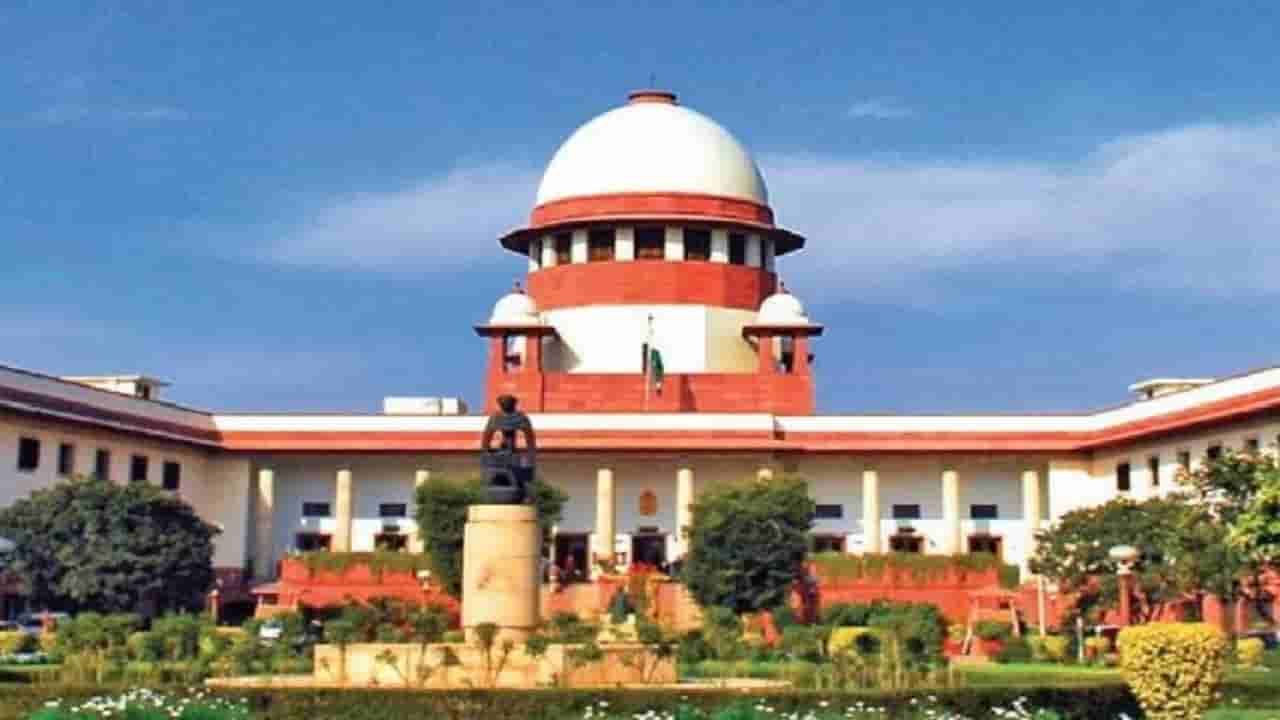
The Supreme Court of India has agreed to hear an appeal contesting a ₹150 crore penalty imposed on the water utility serving Noida and adjacent areas, a development that could have significant implications for urban water governance, civic accountability and service delivery in one of North India’s most rapidly expanding urban corridors.
The challenge to the penalty — originally levied for alleged failures in water supply obligations — underscores persistent tensions over regulatory compliance, resident expectations and infrastructure performance in fast-growing cities. The penalty was ordered by a lower appellate tribunal under the water regulatory framework after findings that the utility — operating within the purview of the Noida-Delhi Jal Board (DJB) — failed to meet specified service standards for potable water distribution, continuity of supply and transparency in reporting. The regulator had concluded that residents experienced systemic shortfalls in access to clean water, prompting what is one of the largest fines ever recorded against a municipal water body in the Delhi-NCR region. In filing the appeal, the utility contends that computational errors, procedural lapses and extenuating circumstances related to system modernisation should mitigate or overturn the penalty.
Lawyers representing the appellant argued that punitive measures of this scale could detract from ongoing operational reforms and disincentivise investment in critical infrastructure upgrades. Details of the grounds remain under seal ahead of the Supreme Court hearing date. Urban policy analysts say the case highlights core challenges facing water governance frameworks in rapidly urbanising corridors like Noida and Greater Noida. As cities expand residential and commercial footprints, utilities must simultaneously scale networks, enhance treatment capacity and ensure equitable service delivery across socioeconomic groups. When service lapses occur — whether due to legacy infrastructure, funding gaps or operational bottlenecks — regulators are increasingly inclined to use financial penalties to enforce compliance under statutory guidelines. The regulatory regime in question stems from the Jal Shakti Ministry’s provisions and state-level rules that empower water regulators to mandate service quality benchmarks, require periodic reporting and, if necessary, impose fines where standards are not met.
Enforcement actions such as this fine are designed to compel utilities to prioritise upgrades in metering, leakage control, quality testing and digital service measurement — elements urban planners say are essential to resilient, climate-aware water systems. Critics of punitive approaches argue that striking the right balance between accountability and constructive support is critical. “Fines can send a strong governance signal,” noted an urban water specialist, “but they must be coupled with clear pathways for infrastructure financing, technical support and capacity building so that utilities can fix structural deficits rather than simply pay for them.” For residents in Noida, Greater Noida and adjoining sectors, the outcome of the Supreme Court appeal could influence expectations about service accountability and utility responsiveness. Every public water system must manage demands amid seasonal variations, growing populations and stress on treatment and distribution networks. Legal clarification on regulatory authority and penalty parameters may also set a precedent for similar disputes in other fast-growing urban regions.
As the apex court prepares to hear the appeal, stakeholders from municipal bodies to resident associations will be watching how India’s highest judicial forum balances regulatory enforcement with the practical realities of urban infrastructure management.