Supreme Court Directs Telangana to Restore 400 Acres of Kancha Gachibowli Forest
The apex court has issued a pivotal directive to the Telangana government, mandating the restoration of 400 acres of forest land in the Kancha Gachibowli area. This landmark ruling arrives amid mounting concerns over unchecked urban expansion and its profound ecological impact, affirming a judicial commitment to sustainable development. The court has granted the state a six-week window to present a comprehensive, revised development blueprint that not only accommodates growth but also meticulously safeguards the region’s vital green cover and biodiversity.
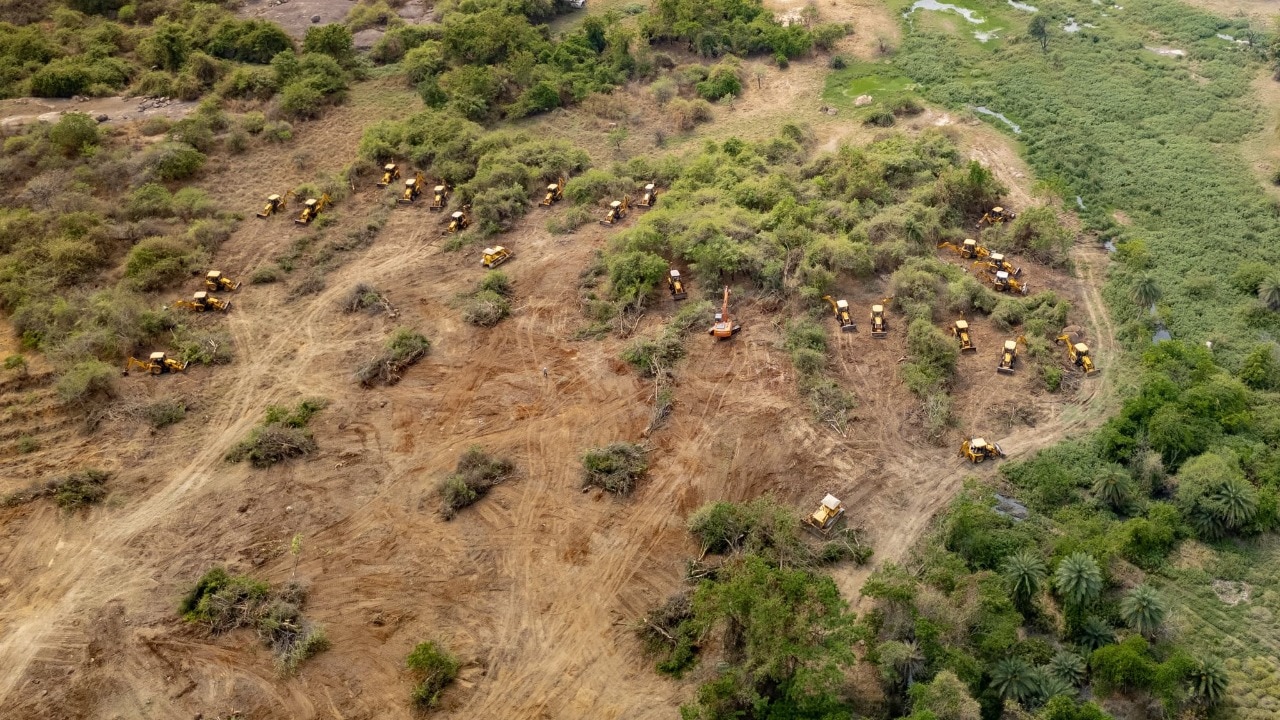
The Supreme Court’s decisive intervention comes as a direct response to a suo motu case initiated following widespread public outcry and protests by students and environmental activists. The case underscores the judiciary’s role as a last resort for environmental protection, particularly in an era of rapid, often disruptive, urbanisation. The affected area, a critical eco-sensitive zone and a green lung for the city of Hyderabad, had witnessed large-scale tree felling, an action that drew swift judicial condemnation. The court’s bench, comprising a senior official, has made it unequivocally clear that while development is essential, it must not come at the cost of environmental degradation.
The state government, represented by a senior advocate, has communicated that all tree-cutting activities have been halted, a move acknowledged by the bench. The state’s request for time to formulate a holistic and balanced proposal was granted, with the court stressing that a satisfactory plan could lead to the withdrawal of proceedings. The key takeaway from the court’s stance is the non-negotiable requirement for the destroyed forest to be fully restored. This sets a significant precedent, signalling a departure from the traditional mitigation-only approach towards a more robust, restorative model of environmental jurisprudence.
The controversy highlights a deeper conflict between rapid urbanisation and ecological preservation. The Kancha Gachibowli area is not merely a patch of forest; it is a rich biodiversity hotspot that includes several species of flora and fauna. It also plays a crucial role in groundwater recharge and acts as a natural buffer against the urban heat island effect. The destruction of such a vital green space has been a source of deep anxiety for the local community, which views it as integral to Hyderabad’s environmental health. The court’s order, therefore, is not just a legal decree but a validation of the public’s demand for a city that prioritises its natural heritage.
The directive also serves as a potent reminder of the accountability of state authorities. The judiciary had previously issued a stern warning, suggesting potential legal action against officials if the forest was not restored. This warning appears to have spurred the state into a more proactive posture. The new plan, which the government is now tasked with creating, must demonstrate a clear commitment to environmental and wildlife protection through tangible mitigating and compensatory measures. It is a critical test for the state’s ability to pivot towards a truly sustainable, eco-friendly, and equitable model of urban growth that aligns with a zero-net-carbon future. The outcome of this case will undoubtedly set a benchmark for similar conflicts across the country, influencing how cities balance their developmental aspirations with their ecological responsibilities.
The Supreme Court’s pronouncement reinforces the principle that a healthy environment is a fundamental right. It compels the government to look beyond short-term economic gains and invest in a sustainable urban future. The re-imagination of Kancha Gachibowli is now not just a state project but a national template for how urban spaces can be developed without sacrificing the very resources that make them habitable.