


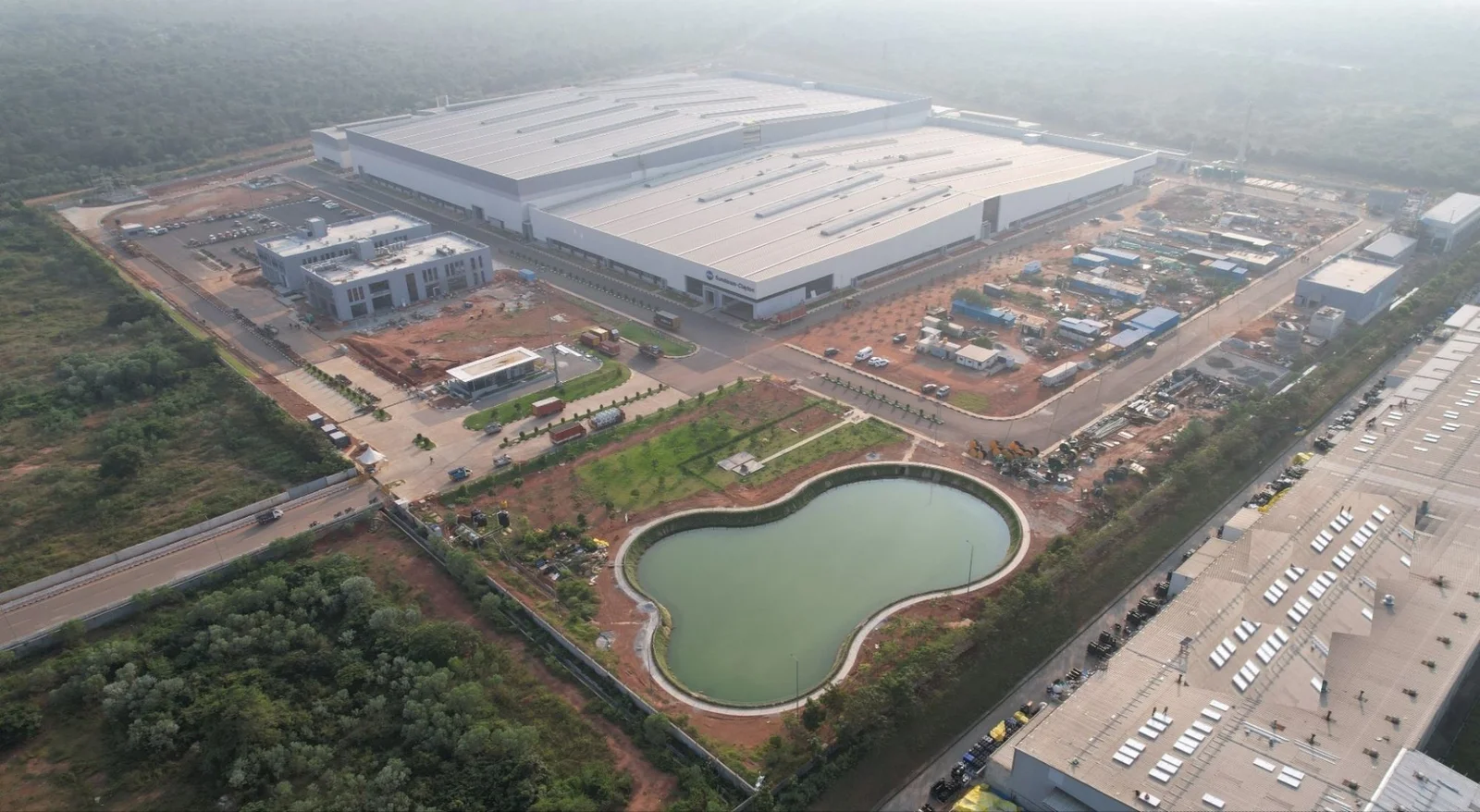
Chennai’s residential landscape is witnessing a notable transaction as a historic industrial land parcel changes hands for development into housing. Sundaram-Clayton Ltd, part of the TVS group, has agreed to sell a 16.38-acre site in Korattur, north-west Chennai, to a joint venture between Prestige Estates Projects Ltd and Arihant Foundations & Housing Ltd for approximately ₹560 crore. The deal, structured to realise value from non-core assets, reflects broader trends in urban land use, investment strategies, and residential expansion in peripheral city zones.
The Korattur-Ambattur corridor, once a predominantly industrial belt, has transformed into a hybrid urban zone thanks to sustained infrastructure upgrades, including road expansion and metro connectivity, which have enhanced accessibility to key employment centres. Urban planners note that the shift underscores the evolving dynamics of Chennai’s housing market, where mid-income and upper-mid-income residential demand is growing in areas previously considered secondary to central urban districts. The transaction, scheduled for completion in February 2026, follows a staggered payment structure with an initial advance of ₹25 crore already received. Real estate analysts point out that the sale is indicative of the increasing appetite for large, contiguous land parcels, which enable developers to achieve scale efficiencies in construction and cost management. Canopy Living LLP, the acquiring joint venture, has actively pursued such plots to facilitate high-density residential projects, signalling confidence in the city’s long-term housing absorption rates.
Sundaram-Clayton’s divestment aligns with a broader pattern among manufacturing companies in India monetising surplus or non-core real estate to strengthen balance sheets or reinvest in core operations. Industry observers emphasise that the trend contributes to more efficient land use and supports urban densification by repurposing underutilised industrial plots for residential or mixed-use developments. For Chennai, the sale highlights both the potential and challenges of peri-urban expansion. Experts suggest that while the availability of large parcels encourages structured, master-planned housing, it also requires careful integration with sustainable urban planning principles, including stormwater management, green space allocation, and energy-efficient building standards. As residential demand continues to rise along key corridors like Korattur, Avadi and Porur, planning authorities may need to anticipate pressure on transportation networks, utilities, and civic amenities. Market insiders consider the Sundaram-Clayton land divestment among the more significant outright land sales in recent months, reflecting sustained investor confidence and end-user demand despite rising residential land prices across Chennai.
The deal underscores that well-located plots, backed by infrastructure, remain strategic assets for developers aiming to balance scale, quality, and profitability. Looking ahead, such transactions may continue to define Chennai’s residential expansion, bridging industrial legacies with contemporary housing needs while shaping the city’s spatial and economic future.
Also Read: CREDAI Pune Expo Reflects Housing Demand Trends
Sundaram Clayton Divests Land to Developer JV
