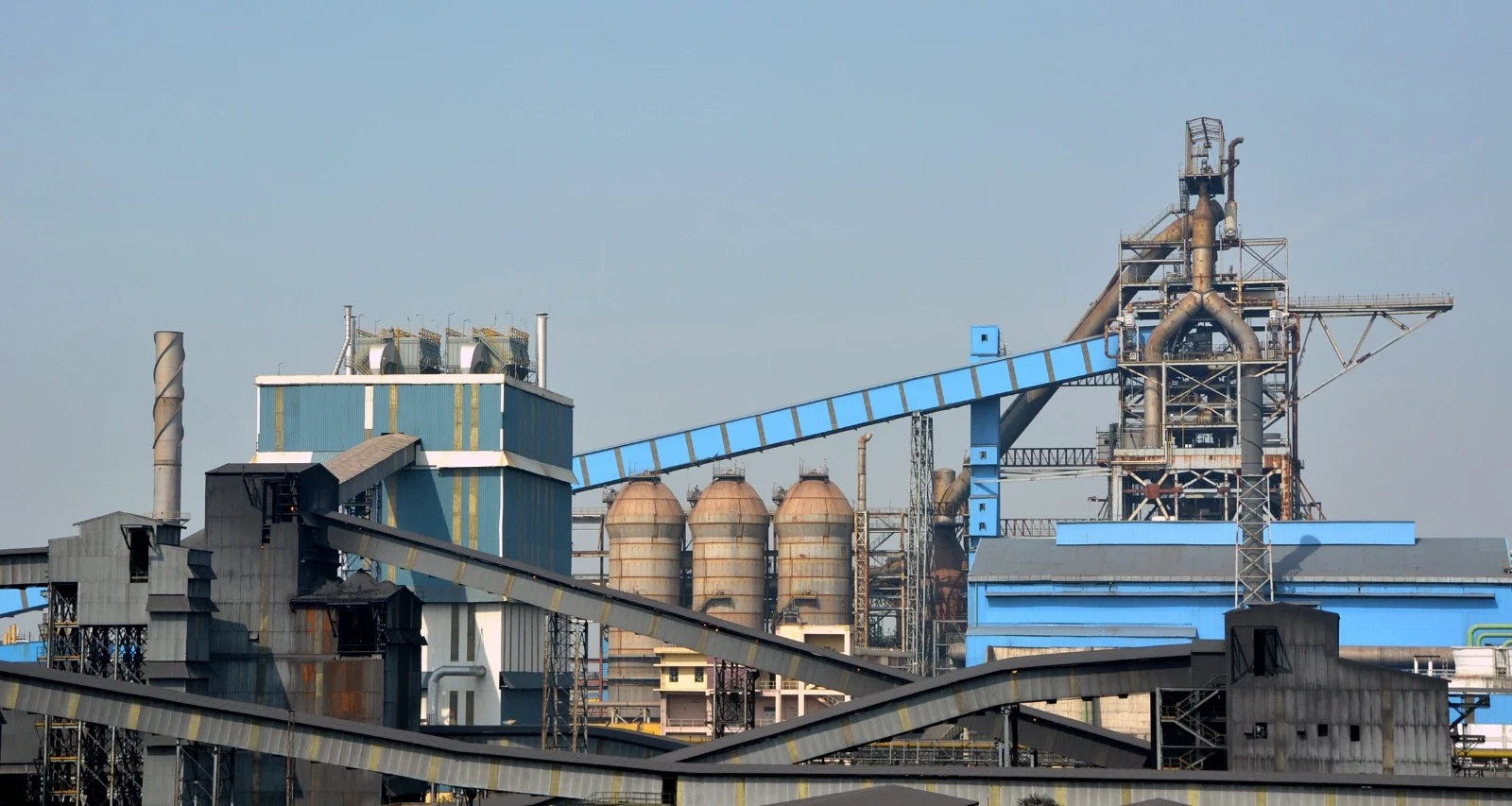
Steel Exchange India Debt Reduction Strengthens Balance Sheet
Steel Exchange India Limited has reduced its debt burden by approximately ₹28 crore over the past two quarters, signalling a strategic shift towards financial consolidation as demand from construction and infrastructure sectors continues to grow. The repayment, completed between October 2025 and March 2026, reflects improving cash flows and a focus on strengthening the company’s balance sheet.
The debt reduction forms part of a scheduled partial redemption of borrowings that were originally raised in September 2025 to support operational and expansion needs. Of the total repayment, about ₹21.43 crore was directed towards term loans, while ₹7.09 crore was used to reduce non-convertible debentures. The Steel Exchange India Limited debt repayment highlights a broader trend within India’s mid-sized steel manufacturing segment, where companies are prioritising financial discipline amid volatile input costs and fluctuating global demand. By lowering its debt exposure, Steel Exchange India Limited is expected to reduce interest costs and improve operational flexibility—factors that are critical in a capital-intensive industry. For the urban development ecosystem, the implications extend beyond corporate finance. Steel Exchange India Limited operates in the long steel segment, supplying TMT rebars widely used in residential construction, infrastructure projects, and industrial development. Financial stability within such companies plays a role in ensuring consistent supply of construction materials, particularly as India’s urban expansion accelerates.The Steel Exchange India Limited debt repayment also reflects improving internal efficiencies. Stronger cash flow generation suggests that demand for construction-linked steel products remains resilient, supported by infrastructure investments and housing activity across Tier 1 and Tier 2 cities.
This trend is helping manufacturers sustain operations while gradually deleveraging their balance sheets.Industry observers note that such deleveraging strategies are becoming increasingly important in the current environment. Rising costs of raw materials such as iron ore and coking coal, coupled with energy price volatility, have put pressure on margins. Companies that maintain tighter control over debt and capital allocation are better positioned to navigate these fluctuations.At the same time, the Steel Exchange India Limited debt repayment indicates a cautious approach to growth. Rather than relying heavily on external borrowing, the company appears to be aligning expansion with internal cash generation. This model is gaining traction among smaller and mid-sized players seeking to maintain resilience in an uncertain market.From a sustainability perspective, stronger financial health can also enable investments in efficiency improvements and cleaner production processes. As regulatory and environmental expectations evolve, companies with lower debt burdens are often better placed to invest in modernisation and compliance.The development also highlights the importance of capital efficiency in India’s broader steel ecosystem. While large integrated players continue to expand capacity, smaller manufacturers are focusing on balance sheet optimisation to remain competitive and relevant within the supply chain.
Looking ahead, Steel Exchange India Limited’s continued focus on deleveraging is likely to support both operational stability and future growth. As demand for steel remains tied to infrastructure expansion and urbanisation, financially resilient manufacturers will play a crucial role in ensuring that supply chains remain stable, cost-effective, and aligned with the evolving needs of India’s built environment.