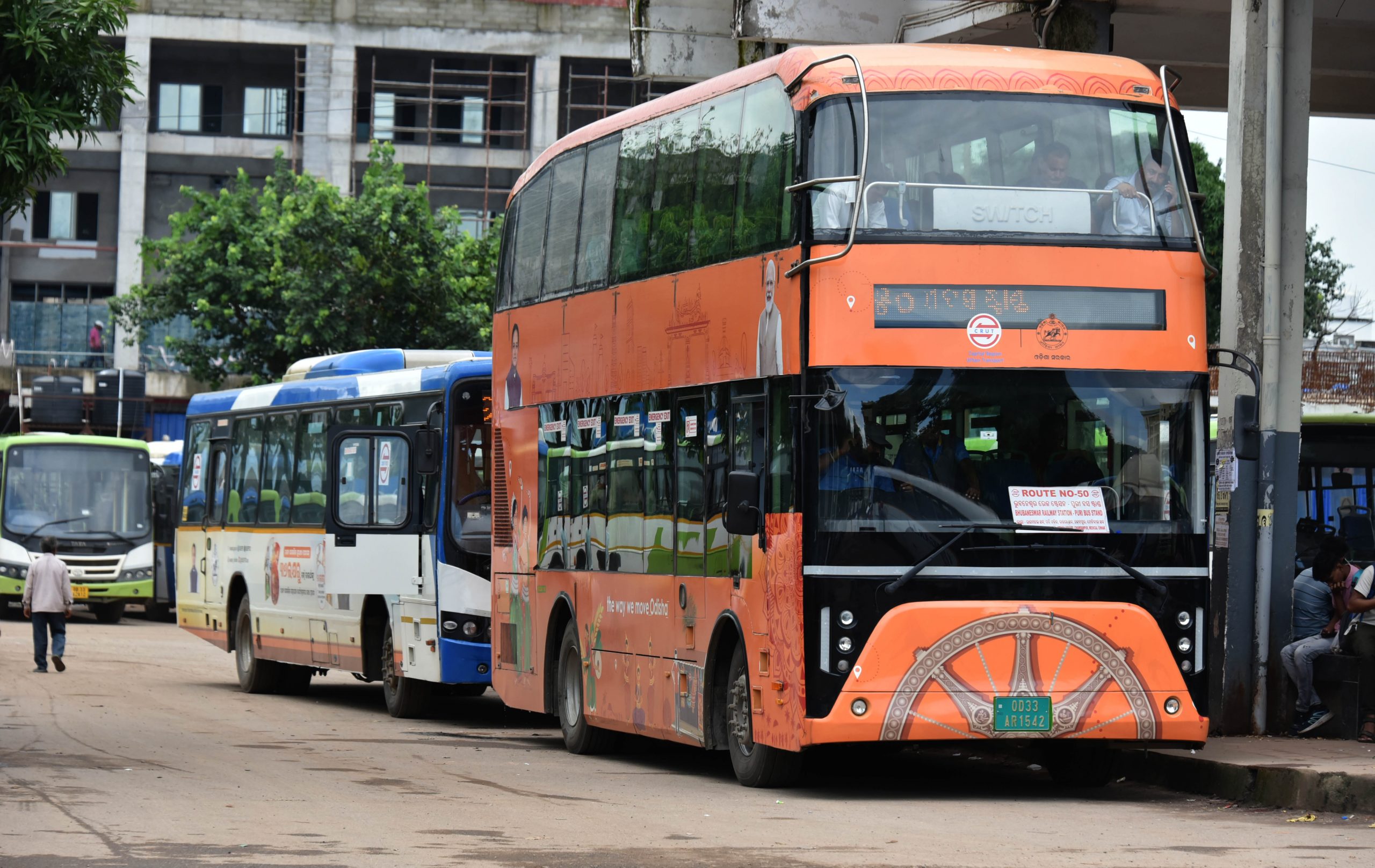
State targets 1,000 electric buses on roads by next year
Bhubaneswar is spearheading a transformative shift in public transportation, positioning the state as a frontrunner in India’s green mobility revolution. With 450 electric buses already operational, the state is making a decisive move to expand its fleet to over 1,000 within the next year, underscoring a commitment to building a zero-net-carbon, eco-friendly urban infrastructure that serves all citizens equally.
This strategic expansion places Odisha firmly as the fifth-largest adopter of e-buses nationally, surpassing several of its eastern counterparts, including West Bengal, Andhra Pradesh, and Jharkhand. The progressive move is driven by a focus on sustainable public transport, which is increasingly becoming the logistical backbone of modern, smart cities. The state’s early success highlights a focused approach to integrating clean technology into public services, creating a new benchmark for urban planning and environmental stewardship.
The Capital Region Urban Transport agency is at the forefront of this initiative, leveraging support to systematically expand e-bus services beyond the core cities of Bhubaneswar, Cuttack, and Puri. The phased rollout is progressively reaching secondary cities like Sambalpur, Jharsuguda, Keonjhar, Berhampur, and Angul, ensuring that the benefits of clean, efficient transport are not limited to the capital but are extended to a wider cross-section of the population. This deliberate strategy addresses the need for equitable access to modern infrastructure, a key pillar of inclusive urban development.
To facilitate seamless operations, a significant investment is being made in the supporting ecosystem. The infrastructure development includes the establishment of charging depots and terminals, along with the introduction of smart ticketing systems designed to streamline the commuter experience. These technological enhancements are complemented by extensive crew training and capacity-building programmes, ensuring that the services are not only reliable and safe but also highly professional and commuter-centric. This holistic approach signals a long-term commitment to maintaining a high standard of public service.
The public’s response has been overwhelmingly positive, particularly in the twin cities of Bhubaneswar and Cuttack, where affordable air-conditioned rides have actively encouraged a shift from private vehicles to public transport. This behavioural change is a crucial step towards a more sustainable future, demonstrating that convenience and comfort can align perfectly with environmental responsibility. This growing acceptance underscores the successful human-centric design of the project, which prioritises the needs of the community while fostering a collective commitment to a greener planet. As urban areas continue to expand, this model of integrating technology, environmental stewardship, and equitable access will become a critical blueprint for sustainable city planning.