


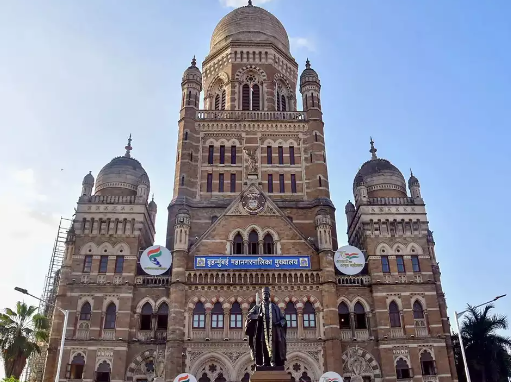
Mumbai: In a recent directive, the state Urban Development (UD) department has instructed the Brihanmumbai Municipal Corporation (BMC) and other civic bodies across Maharashtra to remove unauthorised billboards from highways and city roads. This action follows concerns that such billboards contribute to road accidents by obstructing the visibility of critical intersections and roadways.
The UD department’s decision is grounded in a letter received in January from the Additional Director General of Police (Traffic). The letter highlighted that billboards obscure views at intersections, T-junctions, and roads created between dividers, causing sudden appearances of pedestrians and vehicles before motorists, thus leading to accidents. Moreover, the Supreme Court-constituted high-level committee, headed by retired Justice KS Radhakrishnan, has urged the state to make concerted efforts to reduce the number of road accidents by 10%. This directive from the UD department to the BMC follows a tragic incident in Ghatkopar where a billboard collapse resulted in the death of 17 people and injured dozens more. In response to these directives, the BMC is currently formulating a comprehensive policy regarding hoardings. This new policy will encompass advertisements on business premises, skywalks, balloons, and even stationary vehicles, aiming to create a safer urban environment. Previously, the BMC had requested licence inspectors to provide updated reports on the dimensions of hoardings, verify if digital hoardings are switched off by 11 pm, and check for the display of QR codes on these billboards. These measures are part of a broader initiative to regulate and monitor the advertising infrastructure within the city.
The directive to remove hazardous billboards is a significant step towards enhancing road safety in Mumbai. By ensuring that critical roadways and intersections remain visible and unobstructed, the authorities aim to mitigate the risks of sudden accidents. The implementation of a robust policy on hoardings will further ensure that advertising practices do not compromise public safety. The state government’s proactive approach in addressing this issue underscores the importance of maintaining clear and safe roadways. As the BMC moves forward with its policy framework, continuous monitoring and enforcement will be crucial to sustain the positive impact on road safety and urban infrastructure. The recent developments highlight the ongoing efforts by the authorities to create a safer urban environment, prioritising the well-being of motorists and pedestrians alike. The removal of unauthorised billboards and the introduction of stringent advertising regulations mark a significant stride towards achieving this goal.
