


Pakistan’s escalating urban waste challenge, six youth-led startups were awarded Rs2.625 million in seed funding to turn their eco-conscious business ideas into financially viable solutions.
The funding was part of 2nd Life Pakistan 2.0, a climate innovation initiative aimed at reshaping how cities manage waste by nurturing circular economy models rooted in sustainability and entrepreneurship.The programme culminated in a grand finale that brought together over 30 early-stage ventures, many founded by first-time entrepreneurs. Over six months, participants received structured mentorship, business development training, and access to policy and climate experts. Their common goal: to treat waste not as landfill fodder, but as raw material for green growth. From repurposing e-waste and food scraps to reinventing textile discards and agri-waste, the cohort embodied a bold shift in Pakistan’s climate resilience narrative.
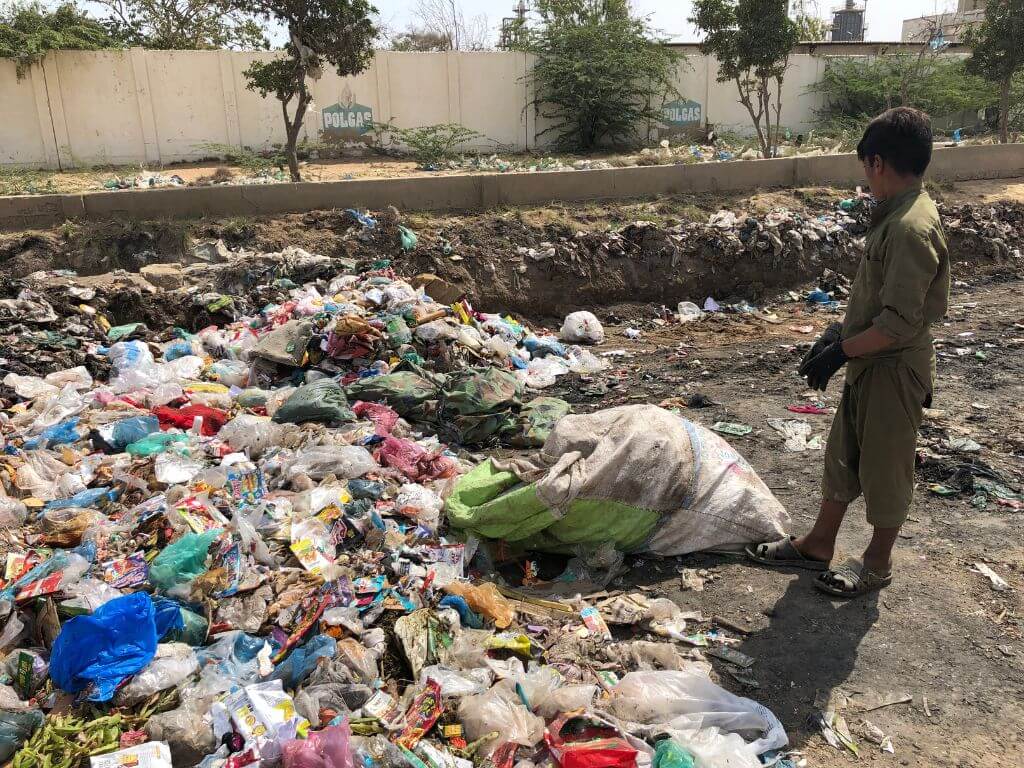
Anchored by SEED Ventures with strategic backing from Unilever Pakistan, the United Nations Development Programme (UNDP) and the National Plastic Action Partnership (NPAP), the event marked a rare convergence of innovation, environmental stewardship, and inclusive growth. Each selected team presented a business model that married environmental impact with commercial feasibility, a combination that is increasingly viewed as crucial in building sustainable cities.The stakes could not be higher. Pakistan generates over 3.9 million tonnes of plastic waste annually, a large portion of which remains mismanaged, contaminating water bodies, harming urban biodiversity, and compounding public health risks. Urban sprawl, lack of infrastructure, and weak municipal systems further complicate waste management in cities like Karachi, Lahore, and Islamabad.
Against this backdrop, the emerging entrepreneurs offered not just optimism but clear pathways for reform. One startup proposed low-cost modular composting for urban households, while another turned textile industry offcuts into affordable eco-friendly insulation. A third tackled the growing menace of e-waste by repurposing discarded electronics into refurbished, low-cost devices for underserved communities.
What sets this initiative apart is its long-term orientation. Rather than treating waste as an isolated municipal issue, 2nd Life Pakistan 2.0 framed it as an economic opportunity tied to job creation, resource efficiency, and environmental justice. Many of the participating entrepreneurs were women or came from underrepresented regions, aligning the programme with wider goals of gender equity and inclusive development.
For a country battling the twin crises of climate change and urban dysfunction, these startups offer more than scalable solutions — they offer a shift in mindset. While policy action and infrastructure investments remain crucial, grassroots innovation like this is a reminder that sustainability can be driven from the ground up. The success of these young climate innovators sends a compelling signal: with the right support, Pakistan’s cities can become more resilient, equitable, and zero-carbon.As Pakistan grapples with the realities of global warming, the momentum generated by these startups signals a timely pivot toward systemic, youth-driven climate action. In doing so, they redefine waste — not as the end of a product’s life cycle, but the beginning of a new, green economy.
Also Read : India Closes Airspace to Pakistani Flights Amid Rising Tensions
