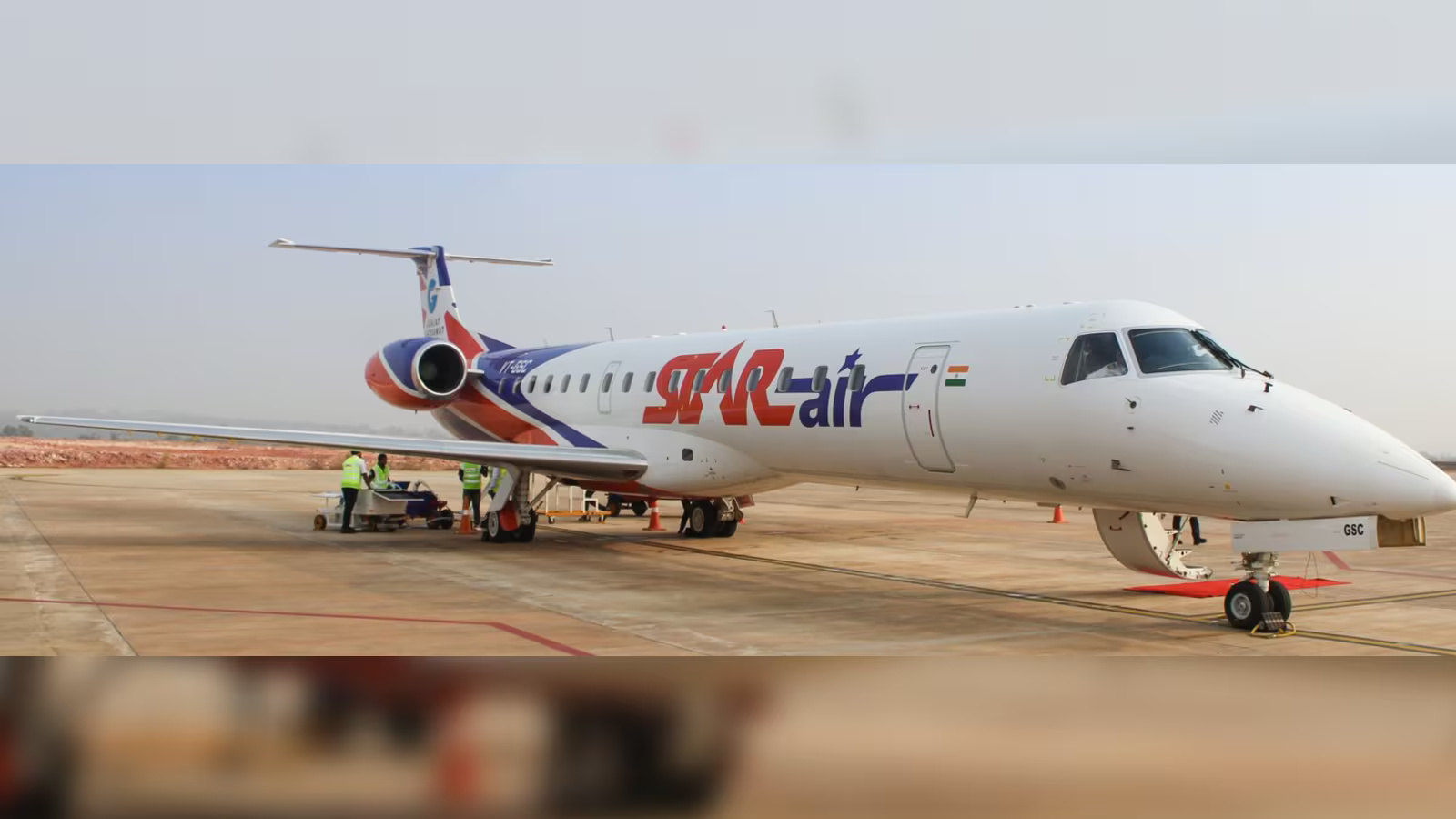
Navi Mumbai International Airport is set to record its first operational milestone, with a regional airline confirming the launch of scheduled services from the greenfield airport later this month. The move signals the beginning of commercial aviation activity at the long-awaited facility and marks a strategic shift in how air connectivity is expected to evolve across the Mumbai Metropolitan Region.
Starting December 25, the Bengaluru-based regional carrier will operate flights from Navi Mumbai to a mix of western, southern and intra-state destinations, including Ahmedabad, Goa’s Mopa airport, Bengaluru and Nanded. The initial network will include both direct and one-stop services, operated using narrow-body regional jets designed for short- and medium-haul routes. Aviation officials said the launch positions the airline as the first regional operator to commit aircraft and schedules to the new airport, ahead of larger full-service and low-cost carriers. Industry analysts view this as a calculated move that aligns with the airport’s phased operational strategy, prioritising manageable traffic volumes during its early months.
According to the airline’s management, the decision to begin services from Navi Mumbai reflects a focus on connecting underserved regional markets while offering time-efficient alternatives to passengers across the wider metropolitan region. “This is about strengthening regional access and reducing the dependency on congested primary hubs,” an executive said, adding that the routes could stimulate business travel, tourism and small-scale trade flows. The airline will deploy Embraer E175 aircraft on these routes, a model commonly used for regional operations due to its lower fuel burn and suitability for thinner demand corridors. The carrier currently operates a mixed fleet of regional jets and has outlined plans to significantly expand capacity over the next three years, indicating confidence in India’s regional aviation demand.
Navi Mumbai International Airport, promoted through a public–private partnership, has been positioned as a critical infrastructure addition to relieve congestion at the existing Mumbai airport while supporting decentralised urban and economic growth. Urban planners note that early regional connectivity can play a vital role in shaping sustainable travel patterns, especially if paired with efficient ground transport and transit-oriented development around the airport precinct. Major domestic airline groups have already indicated their intent to commence operations from the new airport in subsequent phases, suggesting a gradual but steady build-up of traffic. For the metropolitan region, this could translate into more balanced air traffic distribution, reduced travel stress for passengers, and new economic activity clusters beyond the traditional city core.
As Navi Mumbai International Airport prepares for its operational debut, experts emphasise that the success of early airline partnerships will depend on reliability, last-mile connectivity and environmental management. If executed thoughtfully, the airport’s regional-first approach could set a template for inclusive, low-carbon aviation growth aligned with India’s evolving urban and mobility priorities.
Star Air Makes History As First Regional Airline At Navi Mumbai Airport