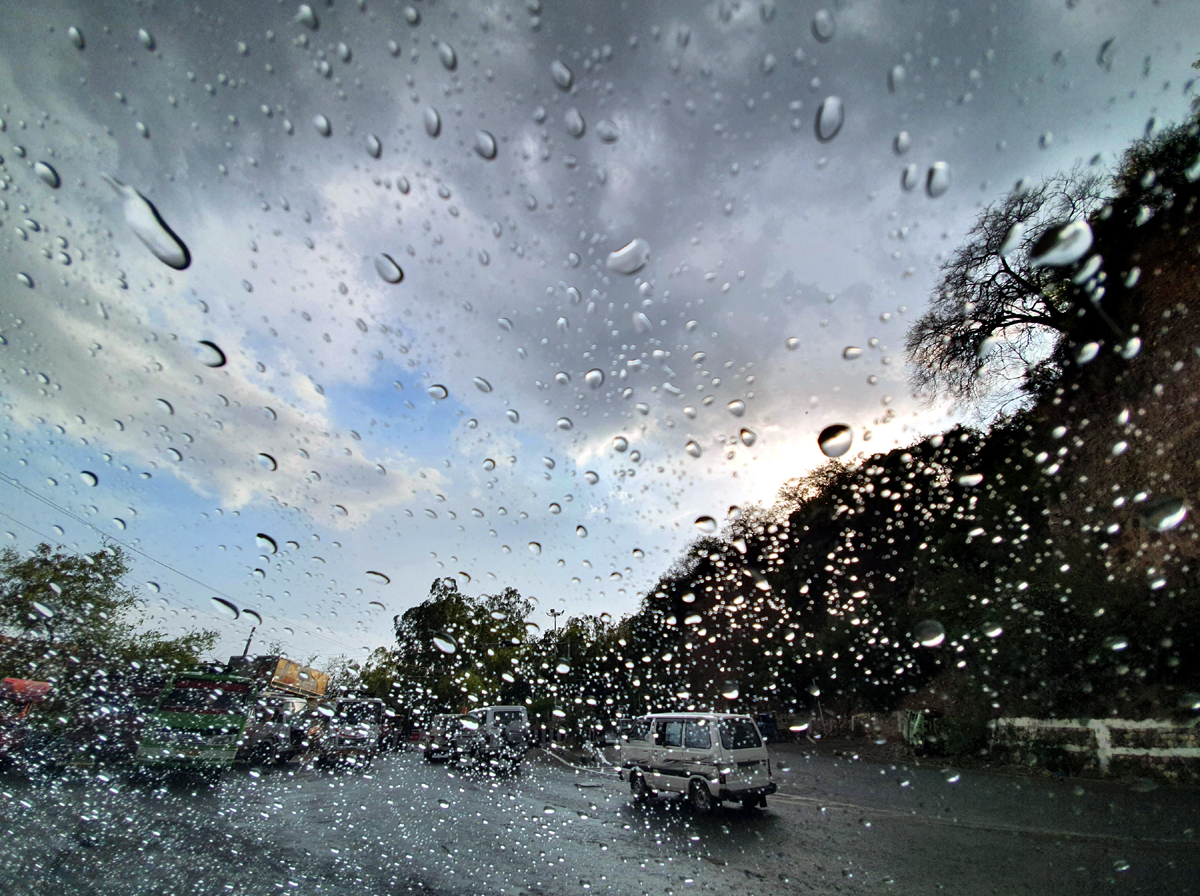
Nagpur Continues To Experience Monsoon Deluge Orange Alert Issued
A brief spell of rainfall in Srinagar brought down temperatures significantly on Monday, offering temporary respite from the heat but failing to provide any meaningful relief to the city’s worsening water crisis. Despite minor rises in River Jhelum’s water level, large parts of Srinagar continue to suffer from irregular or no water supply. The Jal Shakti Department faces mounting public anger, with fresh protests erupting in areas like Gawkadal where taps have remained dry for several days.
According to the Irrigation and Flood Control Department, the water level in River Jhelum witnessed only a marginal rise after Monday’s showers. At Sangam, levels increased slightly from 0.33 feet to 0.51 feet. Similar trends were observed at Munshi Bagh and Asham, where modest increases still fell short of seasonal expectations. Wullar Lake, a key regional water body, continued to recede, indicating that the rainfall was insufficient to replenish broader hydrological reserves. Experts noted that the rain was concentrated over central Kashmir, leaving southern parts dry. Independent weather analysts stressed that a single day of rain cannot compensate for prolonged dry spells. “Only widespread and consistent rainfall can revive river systems and underground aquifers,” said one forecaster. This inadequate improvement has compounded water access challenges across Srinagar, where several residential localities are now experiencing erratic supply, compelling residents to fetch water from distant sources or purchase bottled alternatives amid rising costs and health risks.
The acute water shortage has led to visible public outcry. On Tuesday, women from Gawkadal staged a street protest against the Jal Shakti Department, raising slogans and demanding immediate action. “There has been no drinking water for days; our children are falling sick in this heat,” said one protestor. Similar grievances are being echoed across other parts of Srinagar, including Habba Kadal, Nowpora, Eidgah, and Chattabal. Residents complain of delayed response and ineffective communication from civic authorities. Many are forced to rely on makeshift public taps or depend on water tankers that fail to meet daily demand. Meanwhile, Monday’s rainfall did result in a sharp temperature drop—from 34.3°C to 20°C—but it also led to secondary disruptions such as road blockages, tree falls, and waterlogging in low-lying areas. Experts continue to warn that unless the Valley receives evenly distributed and prolonged rainfall, the hydrological stress on Kashmir’s urban and agricultural systems will persist.
While the drop in temperature brought brief physical relief to residents of Srinagar, the city’s deeper water woes remain unresolved. The marginal increase in Jhelum’s water levels has done little to restore drinking water supply across drought-hit neighbourhoods. Without uniform and sustained rainfall across the Kashmir Valley, experts caution that rivers, lakes, and public pipelines will continue to run below capacity. As civic frustration grows, officials are under increasing pressure to develop an emergency action plan to address irregular supply and infrastructure deficits. The Valley’s water future now depends not just on the next downpour, but on coordinated response and lasting reforms.