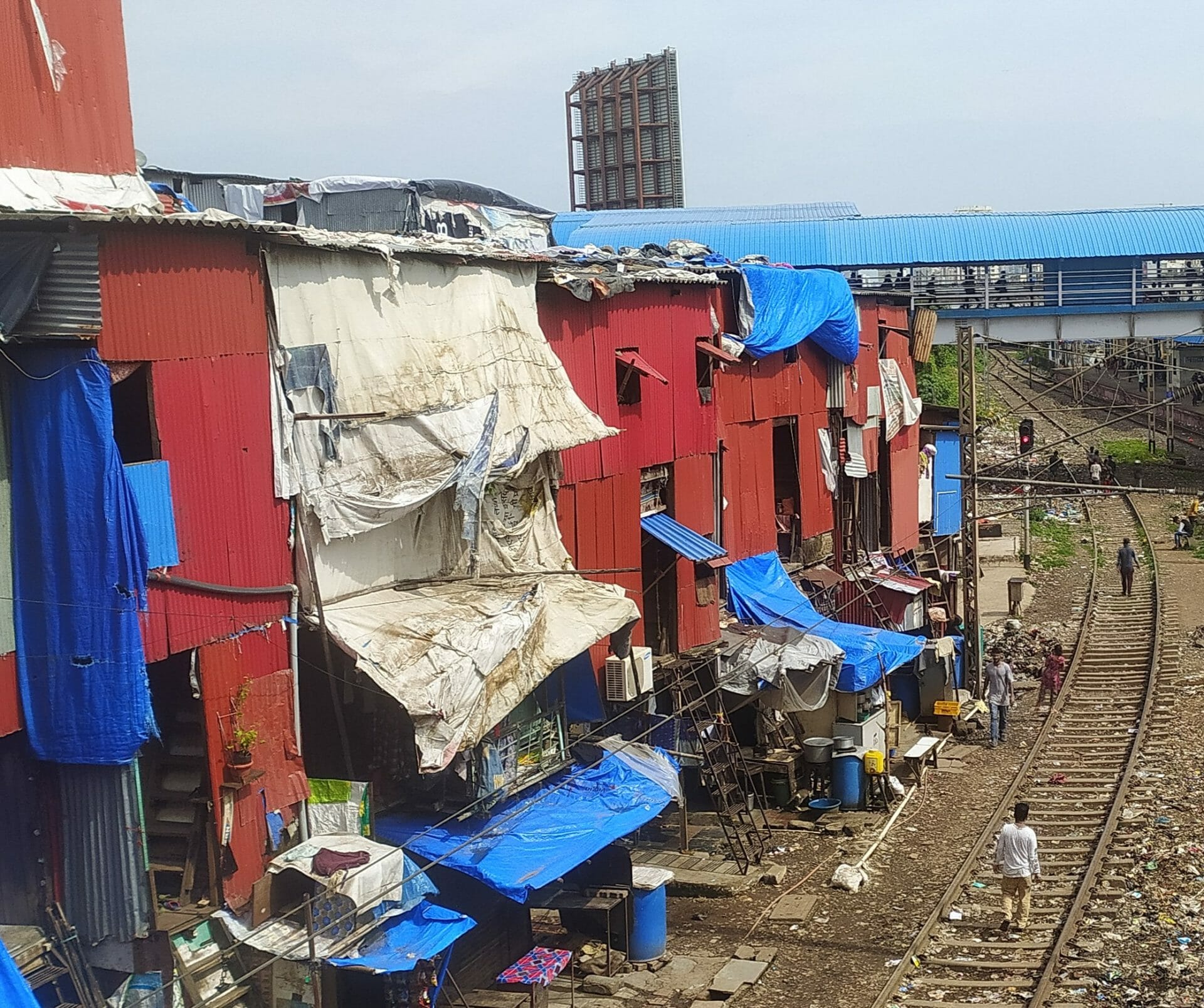
Mumbai’s largest urban renewal exercise has come under renewed scrutiny after authorities initiated an official inquiry into allegations of irregular beneficiary inclusion within the Dharavi Redevelopment Project. The investigation, ordered by the Slum Rehabilitation Authority, follows complaints that demolished or non-existent structures were allegedly re-created on paper and used to qualify occupants for free rehabilitation housing.
The issue has surfaced in pockets of Dharavi adjoining a major arterial road, where redevelopment surveys conducted over different phases are now being compared for discrepancies. According to civic sources, the probe is being led by the district administration’s encroachment wing and will examine whether eligibility norms were bypassed during the preparation of updated beneficiary lists for the redevelopment programme. At the heart of the concern is whether households that moved into partially demolished or vacated huts in recent years were incorrectly classified as long-term residents. These classifications are critical because eligibility determines access to free permanent housing under one of India’s most ambitious slum redevelopment initiatives. Any distortion of records, urban planners warn, risks undermining both public trust and the financial viability of the project.
Dharavi’s redevelopment has passed through multiple institutional phases. Earlier sector-wise redevelopment was undertaken by the Maharashtra Housing and Area Development Authority, which carried out surveys and relocated hundreds of families into rehabilitation buildings. However, incomplete demolition of vacated huts reportedly left behind physical remnants that were later reoccupied, complicating the accuracy of subsequent surveys. With the launch of the Dharavi Redevelopment Project, a fresh verification exercise was undertaken to consolidate legacy data with updated ground assessments. Activists and residents’ groups now claim that duplicate structure identifiers and modified entries appeared in the revised eligibility lists, potentially allowing newer occupants to receive housing benefits ahead of long-waiting families.
Officials overseeing the redevelopment have acknowledged the complexity of reconciling historical records with present-day realities in a settlement as dense and dynamic as Dharavi. Senior administrators said multiple surveys conducted by different agencies over the years require cross-verification, and the ongoing inquiry will examine documentary evidence, site conditions and procedural compliance before drawing conclusions. The private concessionaire implementing the project through a special purpose vehicle has maintained that it had no role in earlier surveys or interim transit allotments, stating that eligibility determinations are based on government-verified legacy data prepared prior to its involvement.
Urban policy experts say the episode highlights a broader challenge facing large-scale slum redevelopment across Indian cities. Accurate beneficiary identification is essential not only for fairness but also for ensuring that public resources are directed towards genuine need. Errors or manipulation can inflate project costs, delay timelines and intensify social tensions within vulnerable communities. As the inquiry proceeds, stakeholders are watching closely for transparent disclosures and corrective action. For a redevelopment effort positioned as a model for inclusive and climate-resilient urban renewal, the outcome will shape confidence in how Mumbai balances scale, equity and accountability in reshaping one of its most iconic neighbourhoods.
SRA Examines Complaints On Re-Erected Huts In Dharavi Redevelopment