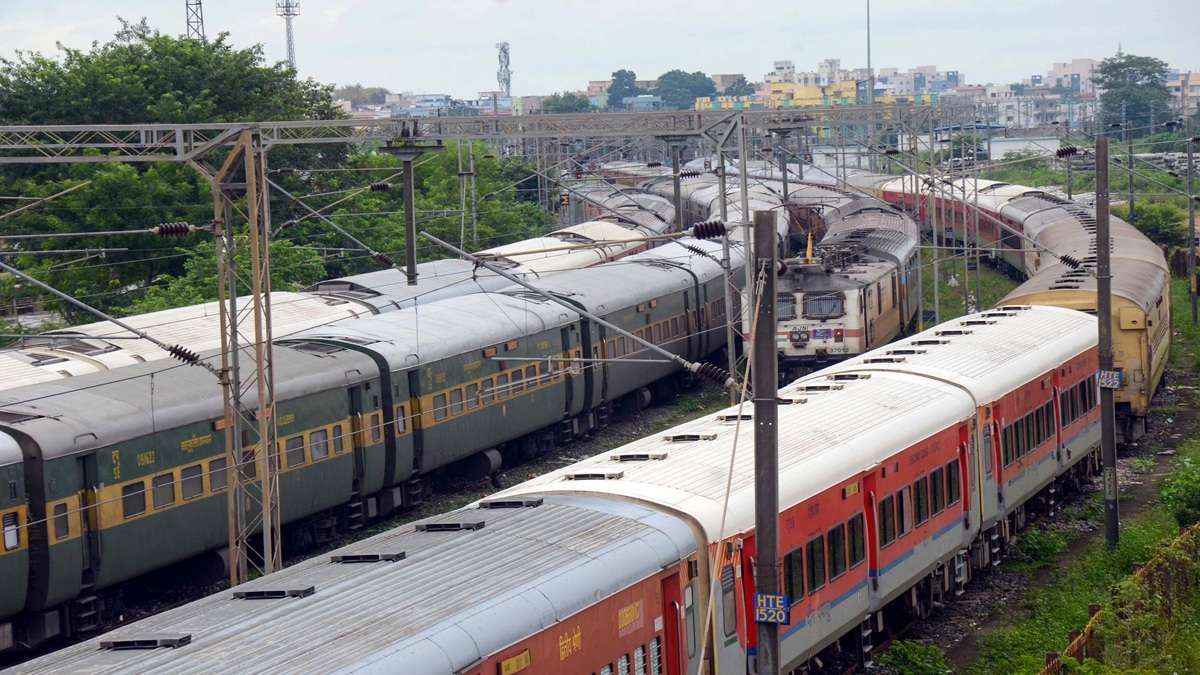
South Central Railway has significantly expanded its passenger operations ahead of Makar Sankranti 2026, announcing a large slate of additional train services to manage the seasonal surge in travel across southern and inter-regional corridors. The move reflects the growing scale of festival-related mobility and the increasing reliance on railways as the backbone of long-distance, low-emission travel during peak periods.
Railway officials confirmed that 150 special services will be introduced during the Sankranti travel window, supplementing the regular timetable across Andhra Pradesh and Telangana. The festival traditionally triggers one of the heaviest annual travel flows in the region, driven by migrant workers returning home, family reunions, and religious travel. Rail planners note that demand patterns have become more complex in recent years, extending beyond intra-state movement to long-haul routes linking southern India with northern and eastern regions. In addition to strengthening connectivity within the Telugu-speaking states, the expanded operations will improve access to major pilgrimage destinations that witness heightened footfall during Sankranti. Special services have been planned on corridors connecting southern India to religious centres in western and southern regions, as well as long-distance routes linking metropolitan hubs across the country. Officials overseeing operations said that more than 600 trains, including regular and special services, will be active through the festival phase.
From an urban and regional development perspective, the additional services underline the role of rail infrastructure in absorbing temporary population movements without overwhelming road networks or aviation systems. Transport economists point out that festival travel spikes often expose capacity gaps in public transport, and targeted rail augmentation is among the most cost-effective ways to prevent congestion, reduce travel inequity, and lower the carbon footprint of mass movement. Operationally, the railway zone has adjusted scheduling, rolling stock deployment, and crew planning to ensure continuity of services during the peak window. Special attention has been given to passenger safety, turnaround times, and platform management at high-traffic stations. Officials indicated that real-time monitoring will be used to respond to unexpected surges or operational bottlenecks.
Urban planners note that such seasonal interventions are increasingly shaping how Indian Railways plans capacity. Rather than treating festival travel as an exception, railway zones are embedding flexible operational models that can scale up services quickly. This approach is seen as essential for a country where cultural calendars and economic migration drive predictable yet intense mobility cycles. The broader implications extend to inclusive growth. Affordable, reliable rail access during major festivals ensures that lower-income travellers are not priced out of long-distance travel, unlike during peak aviation demand. It also supports regional economies by facilitating the movement of labour and consumption back into smaller towns and rural centres.
As the Sankranti travel period approaches, railway officials have indicated that further operational adjustments may be announced based on booking trends. For cities and regions connected by these corridors, the expanded services offer not just temporary relief, but a glimpse into how adaptive public transport planning can support resilient, people-first mobility at scale.
South Central Railway Expands Makar Sankranti 2026 Connectivity