Sonipat Health Infrastructure Plan Strengthens NCR Services
Sonipat district in Haryana is set to receive a significant expansion of public healthcare facilities as part of the state’s latest budget priorities, reflecting growing pressure to strengthen social infrastructure in fast-urbanising regions of the National Capital Region.
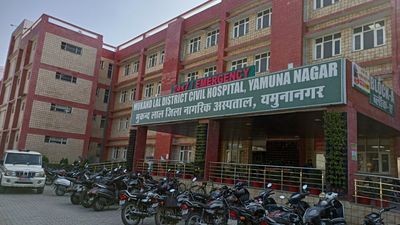
The proposed Sonipat health infrastructure expansion includes new medical facilities and upgrades to existing hospitals aimed at improving healthcare access for a rising urban population. The district’s healthcare system is expected to benefit from multiple initiatives announced in the state’s 2026–27 budget. Authorities have indicated that several health centres will receive advanced facilities, while ongoing projects such as specialised hospital wings are being accelerated to expand treatment capacity. Among the key developments is a maternal and child health wing currently under construction at the district’s main civil hospital, designed to improve emergency obstetric and neonatal care.
Urban planners say the Sonipat health infrastructure expansion reflects broader demographic and economic shifts in the region. Over the past decade, Sonipat has evolved into an important extension of the NCR’s urban corridor, driven by manufacturing clusters, educational institutions and residential development. Population growth and urban migration have increased demand for public health services, particularly in district hospitals and community health centres. At the state level, the healthcare sector has received a substantial budgetary increase. The government has earmarked more than ₹14,000 crore for health-related departments in the 2026–27 fiscal year, representing a significant rise over the previous year’s allocation. The expanded funding is intended to improve hospital capacity, strengthen primary healthcare and expand diagnostic and specialised medical services across districts.
The budget framework also includes plans for additional primary health centres and sub-centres across Haryana, along with investment in modern medical equipment and specialised treatment facilities. Authorities have outlined plans to expand dialysis services, introduce new cardiac care units and upgrade hospital infrastructure, including fire-safety systems in major public hospitals. For Sonipat, these measures are expected to complement ongoing efforts to develop the district as a major education and economic hub on Delhi’s northern periphery. The district already hosts universities, logistics facilities and manufacturing units, and its proximity to the capital has accelerated residential and commercial development in recent years.
Urban policy experts emphasise that healthcare capacity often lags behind rapid city expansion in emerging metropolitan corridors. Without parallel investments in hospitals, primary health networks and emergency care, growing populations can strain existing medical infrastructure. Strengthening district-level hospitals therefore plays a critical role in ensuring that residents do not depend solely on tertiary facilities in major cities. The Sonipat health infrastructure expansion also highlights a broader shift in development policy across northern India, where governments are increasingly investing in social infrastructure alongside industrial and transport projects. Improved healthcare access can influence workforce productivity, urban quality of life and long-term economic resilience.
As NCR cities continue to expand outward, districts like Sonipat are likely to become increasingly important nodes in the region’s urban network. The success of these healthcare investments will depend on how effectively new facilities are integrated with primary health services, digital health systems and trained medical personnel.