


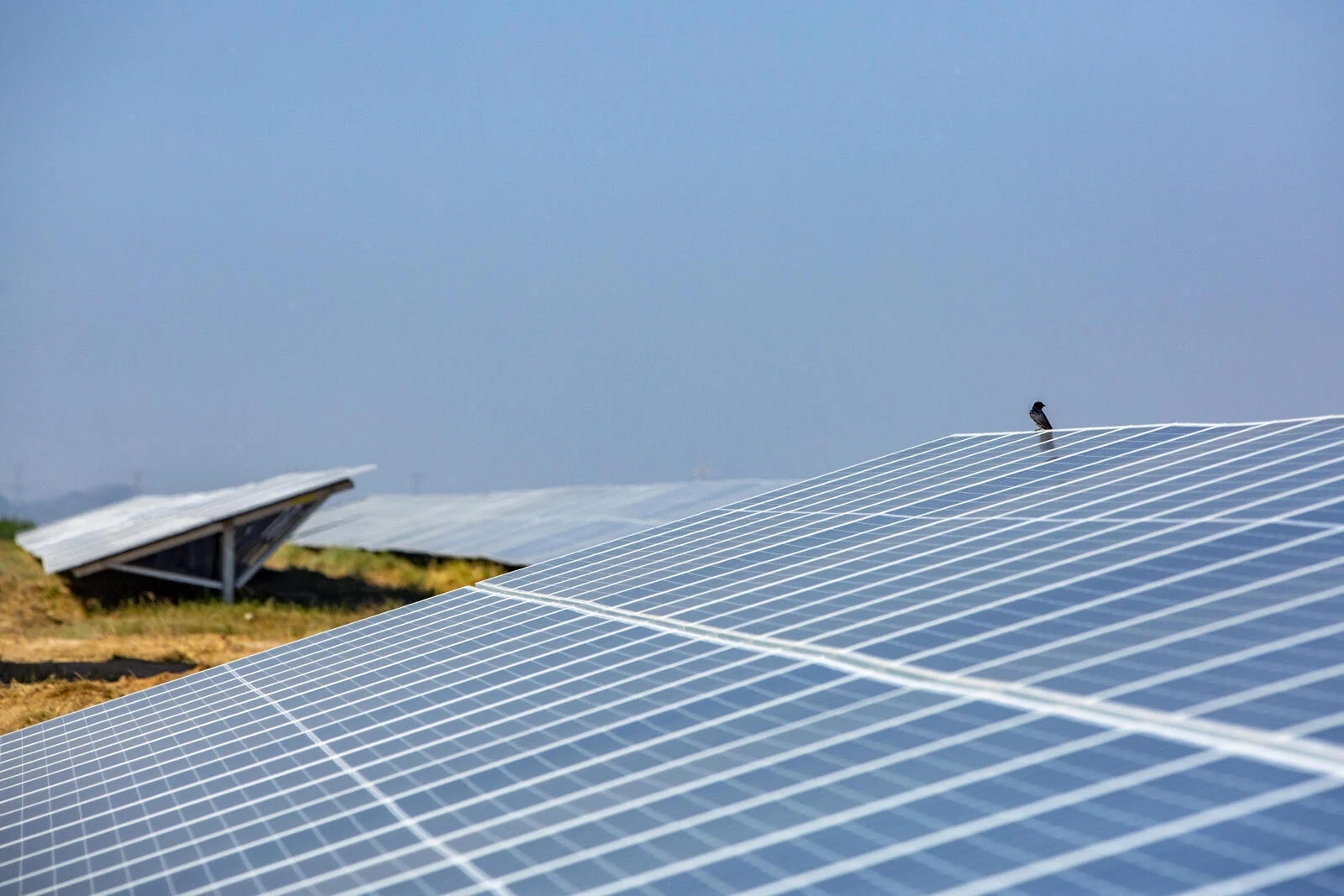
Gulf Warehousing Company (GWC) has announced a major partnership with regional solar leader Yellow Door Energy to develop the largest private solar project in the GCC.
The clean energy collaboration will see solar installations rolled out across three of GWC’s flagship logistics parks in Qatar—Logistics Village Qatar, Bu Sulba Warehousing Park, and Al Wukair Logistics Park. With construction slated to begin shortly, the scale and ambition of the project underline a critical pivot in the region’s private sector—away from fossil fuel reliance and toward sustainable infrastructure. The solar initiative is aligned with Qatar’s National Vision 2030 and its net-zero roadmap targeting carbon neutrality by 2050.
The project also marks a key milestone in GWC’s environmental journey. As a signatory to the United Nations Global Compact, the company has set out to reduce its Scope 1 greenhouse gas emissions by 3 percent and Scope 2 emissions by 6 percent by 2030. In tandem, it aims to cut overall waste generation by a substantial 20 percent. “Warehousing and logistics are energy-intensive industries. This partnership gives us a tangible route to reduce our emissions footprint and contribute to national green goals,” said Matthew Kearns, Acting Group CEO at GWC. “It’s a strategic blend of infrastructure development and responsible energy transformation.”
The transition to solar will drastically lower the operational carbon output of GWC’s facilities. By leveraging Qatar’s abundant solar potential, the installations will displace a significant share of grid-based electricity—driven largely by natural gas—ushering in a more resilient and cleaner logistics network. Yellow Door Energy, the UAE-based energy company helming the project’s design, financing, and operations, brings robust experience to the table. With over 400 MWp of awarded solar assets spanning 150 commercial and industrial sites, the company is a major player in the MENA region’s decentralised solar space. CEO Jeremy Crane said the Qatar venture demonstrates a scalable model for solar adoption across logistics and warehousing, which remains a traditionally hard-to-abate sector.
“This partnership is a powerful statement of what private enterprise can do for climate goals. We are thrilled to collaborate with GWC and support Qatar’s transition toward a green economy,” Crane said. As the world looks to decarbonise freight and storage networks—two of the largest indirect contributors to emissions—Qatar’s latest solar strategy signals intent and action. With logistics serving as the backbone of regional trade and supply chains, the impact of clean energy integration goes beyond just one company—it ripples across commerce, climate responsibility, and future-ready infrastructure.
GWC’s solar partnership not only strengthens its business sustainability model but also sets a benchmark for peer firms across the Gulf and beyond. For a region rich in sunlight but historically reliant on hydrocarbons, this pivot to solar marks both an environmental and economic evolution.
Also Read: India Ramps Up Support for Hydro Storage Push
