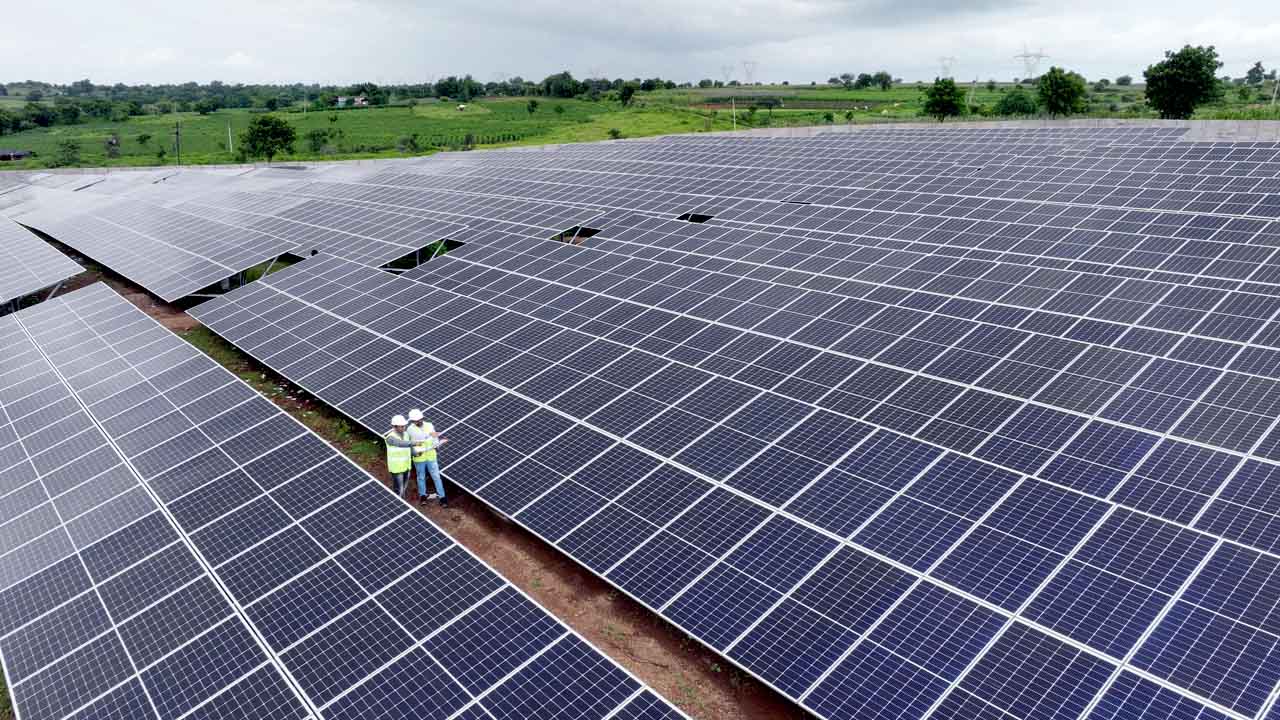
India’s push towards cleaner residential energy has gained momentum as SJVN Limited achieves a major generation milestone at its 1,000 MW solar project in Bikaner. The project has crossed one billion units of electricity generation, reinforcing the growing role of solar power in supporting household energy demand.
Located in Rajasthan, the large-scale solar facility is part of SJVN’s broader strategy to expand its renewable energy portfolio and reduce reliance on conventional power sources. The milestone reflects consistent generation performance, enabled by favourable solar conditions and grid integration systems that allow efficient transmission of electricity to consumption centres.The development is particularly relevant for urban and semi-urban housing markets, where electricity demand continues to rise with increasing appliance use, digital connectivity, and lifestyle changes. The SJVN solar project contributes to stabilising supply by feeding clean energy into the grid, which can then be distributed to residential consumers across regions.Industry experts highlight that large solar projects such as this play a critical role in enabling the transition to sustainable housing. While rooftop solar adoption is growing, utility-scale solar plants remain essential for meeting bulk demand, especially in densely populated cities where individual installations may be limited by space constraints.The Bikaner project also demonstrates how scale can improve cost efficiency in renewable energy. As generation increases, the per-unit cost of solar electricity continues to decline, making it more accessible for households. This is expected to support wider adoption of clean energy in residential segments, particularly as power distribution companies integrate more renewable sources into their supply mix.
From an infrastructure perspective, the success of the SJVN solar project underscores the importance of grid readiness. Efficient transmission networks are essential to ensure that solar power generated in resource-rich regions like Rajasthan can reach urban demand centres without significant losses. Investments in transmission and storage systems are therefore becoming integral to the renewable energy ecosystem.There are also environmental implications. Increased reliance on solar power reduces the carbon footprint of residential electricity consumption, contributing to national climate goals. As cities grapple with air pollution and rising temperatures, the shift towards cleaner energy sources becomes critical for improving urban living conditions.SJVN’s expansion into solar energy reflects a broader transformation within the power sector, where public sector companies are diversifying beyond hydropower and thermal generation. This diversification is essential for building a balanced energy mix that can support both growth and sustainability.
Looking ahead, the challenge will be to ensure that renewable energy growth translates into consistent and affordable supply for households. Integrating solar power with storage solutions and smart grid technologies will be key to addressing intermittency and demand fluctuations.As India’s housing sector expands, milestones like this highlight how large-scale renewable projects can underpin the transition towards cleaner, more resilient urban energy systems—ensuring that the electricity powering homes is both reliable and sustainable.