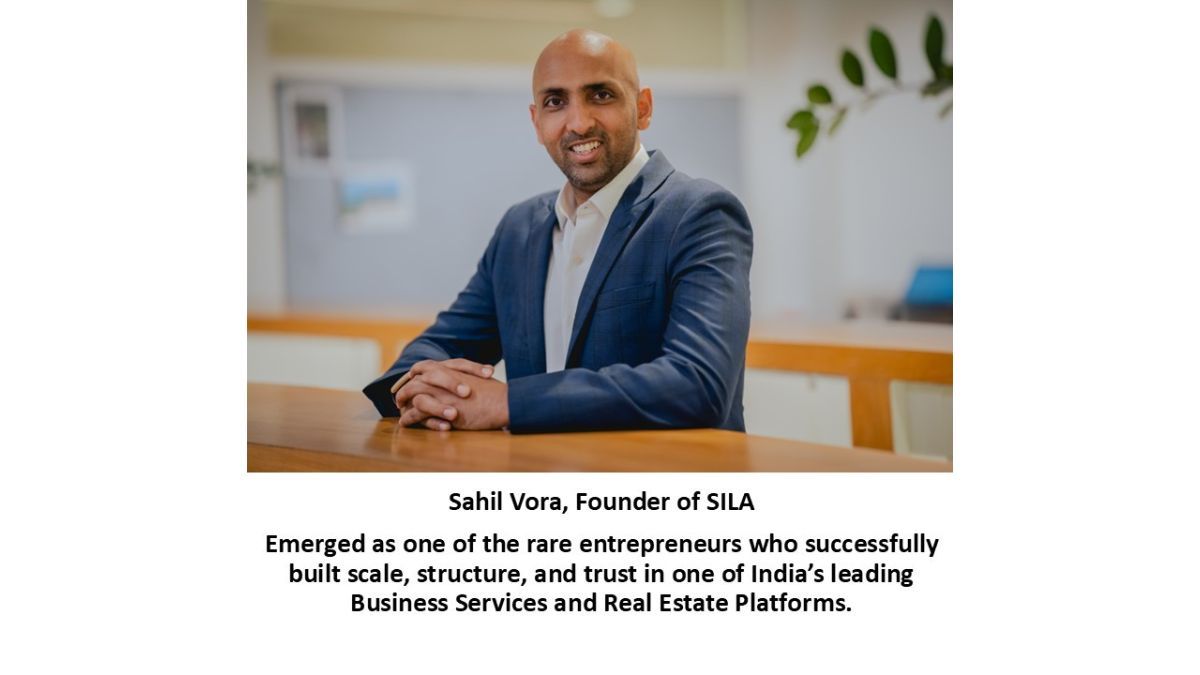
India’s real estate services sector is undergoing a structural transformation, with large, professionally managed platforms increasingly replacing fragmented and manpower-heavy operators. One such platform has emerged as a fast-growing player nationwide, expanding its footprint across business services and real estate as asset owners and institutional investors demand higher standards of governance, consistency, and sustainability.
Industry experts note that the shift is being driven by the rapid institutionalisation of Indian real estate. The rise of REITs, global investors, and long-term asset owners has created a clear need for service providers capable of delivering uniform quality across cities and asset classes. In response, a new generation of systems-led platforms has begun integrating technology, standardised processes, and trained workforces to manage assets at scale. The platform’s evolution reflects this changing landscape. What began as a focused facility management operation has steadily expanded into a multi-vertical business services and real estate platform. Its current portfolio spans facility management, real estate advisory, material handling equipment solutions, food and catering services, and selective real estate development. This integrated approach allows clients to engage a single partner across the asset lifecycle, from pre-construction advisory to post-occupancy operations.
According to industry observers, one of the company’s defining strengths has been its early emphasis on process discipline. Many Indian real estate assets have traditionally relied on informal service structures, leading to inconsistent outcomes and operational risk. By introducing technology-enabled monitoring, structured training programmes, and uniform reporting frameworks, the platform has sought to professionalise service delivery across commercial, residential, retail, industrial, and institutional assets. A senior executive associated with the company said the organisation’s growth has been anchored in repeatable systems rather than rapid, unstructured expansion. “The focus has been on building an internal engine that can scale without compromising service quality. Consistency across locations is what creates long-term trust with asset owners,” the executive noted.
This systems-first model has resonated with developers and institutional clients managing large, geographically dispersed portfolios. Analysts point out that professionally managed assets also tend to perform better on environmental efficiency, safety compliance, and workforce welfare—areas that are becoming central to sustainable and inclusive urban development. Well-managed buildings, they add, contribute to lower energy consumption, improved occupant wellbeing, and longer asset life cycles. As Indian cities grow denser and more complex, the demand for reliable real estate business services is expected to rise sharply. Platforms that combine scale, governance, and multi-vertical capability are likely to play a key role in shaping more resilient, low-carbon, and equitable urban environments. The emergence of such organised players signals a maturing real estate ecosystem—one increasingly aligned with global standards and the future needs of India’s built environment.
SILA Expands Nationwide As Leading Business Services And Real Estate Platform India