


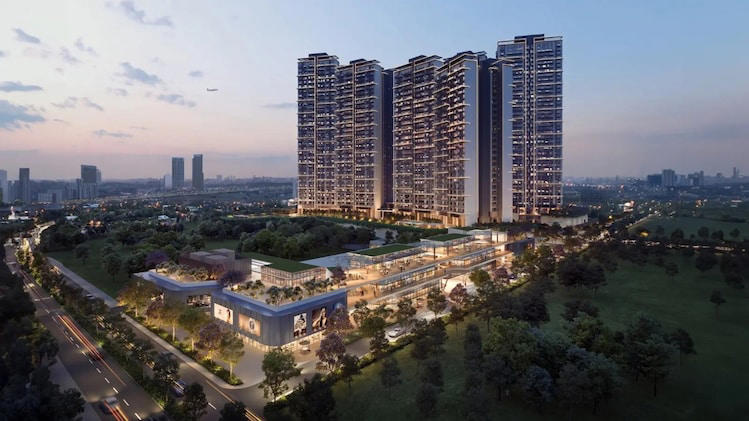
A slowdown in residential absorption across parts of Gurugram has begun to reflect on developer balance sheets, with a listed real estate firm reporting a sharp reversal in profitability for the December quarter. The company posted a consolidated net loss of Rs 45.33 crore in the third quarter of FY26, compared to a profit recorded in the same period last year, as revenue inflows declined sharply.
Regulatory disclosures show that total income for the quarter fell to Rs 312.76 crore, down significantly from over Rs 860 crore a year earlier. The contraction highlights the growing mismatch between project launches and near-term buyer absorption in select NCR micro-markets, particularly those dominated by mid- to premium-priced housing. Market analysts point out that Gurugram has entered a phase of consolidation after several years of aggressive price growth. Rising base prices, tighter home-loan affordability and delayed infrastructure delivery in certain corridors have collectively slowed transaction velocity, even as underlying end-user demand remains intact. Developers with large exposure to a single city are therefore seeing more pronounced quarterly volatility. Despite the quarterly loss, the company’s cumulative performance over the first nine months of the financial year remains stable, supported by earlier launches and ongoing project deliveries. Industry observers note that revenue recognition in real estate is inherently uneven, often linked to construction milestones rather than sales momentum alone, making quarterly results a less reliable indicator of long-term fundamentals.
The firm has delivered approximately 16.5 million square feet of residential development to date and remains among the top listed players by sales bookings. In the previous financial year, it recorded bookings exceeding Rs 10,000 crore, reflecting strong demand during the peak of NCR’s post-pandemic housing cycle. However, its current-year bookings guidance is now under pressure due to softer buyer response in Gurugram’s newer sectors. Urban housing experts say the slowdown underscores a broader shift underway in India’s residential markets. Buyers are becoming more selective, placing greater emphasis on project execution, liveability, maintenance quality and neighbourhood infrastructure rather than speculative appreciation. Developments that integrate wellness features, open spaces and long-term community management are increasingly favoured, but these attributes also require higher upfront investment and longer gestation periods. From a city-planning perspective, the earnings dip raises questions about how Gurugram’s next phase of growth will be shaped. The city continues to face challenges related to drainage, transport integration and climate resilience factors that directly influence housing demand and pricing sustainability. Developers operating in such environments may need to recalibrate launch strategies, focus on phased development and align more closely with infrastructure timelines.
Looking ahead, analysts expect residential markets to remain uneven through the remainder of FY26, with selective strength in well-connected micro-markets and continued caution elsewhere. For developers, disciplined capital deployment, balance-sheet management and alignment with evolving urban living preferences are likely to determine resilience as the housing cycle matures.
Also Read: ASK backed fund enters vertical housing Delhi
Signature Global navigates slowdown amid housing reset
