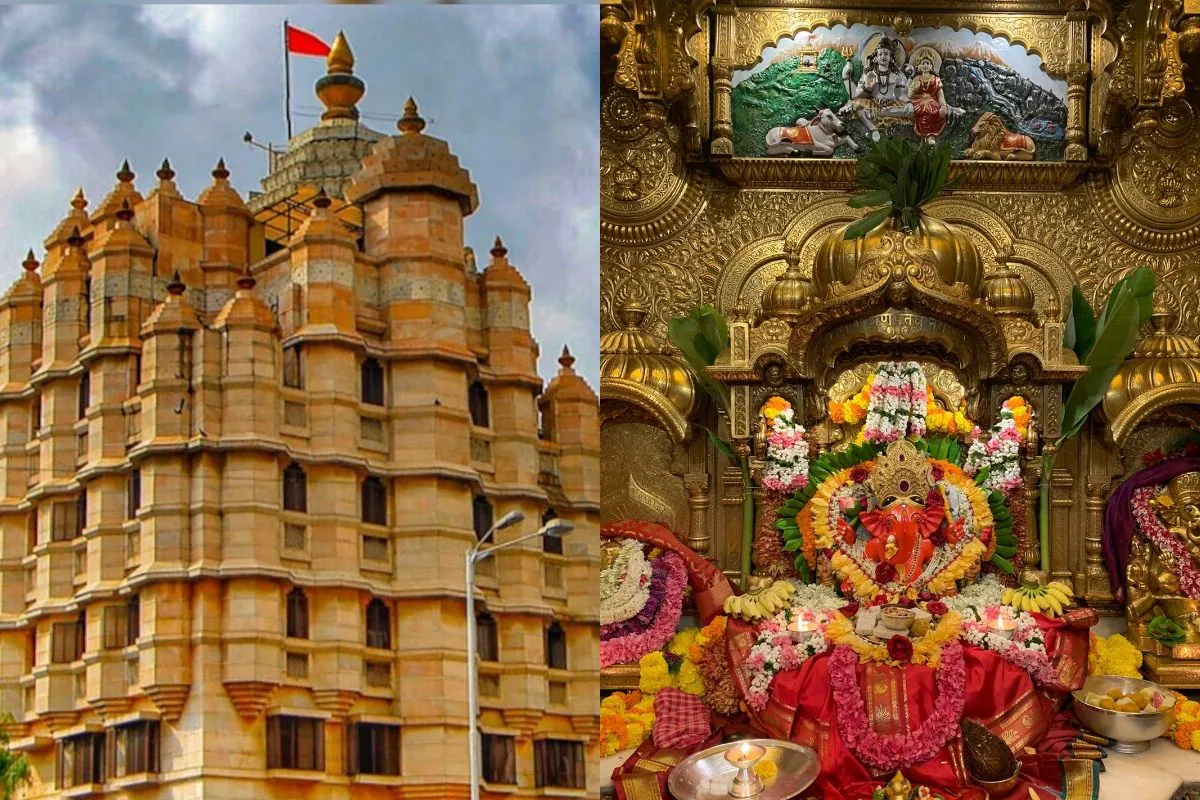
Mumbai’s Shree Siddhivinayak Ganpati Temple at Prabhadevi is preparing for one of its busiest days of the year, with special darshan timings and a range of visitor-focused facilities announced for New Year’s Day. The arrangements are aimed at managing large crowds while ensuring safety, accessibility and a dignified worship experience at one of the city’s most significant religious landmarks.
According to temple authorities, the shrine will open as early as 3.15 am on January 1, allowing devotees to begin the year with morning darshan. Early worship will continue until 5.30 am, followed by scheduled rituals before the temple remains open to the public until midday. Darshan will resume in the afternoon and continue in phases until late evening, with brief pauses to accommodate daily aartis and temple ceremonies. Urban management experts note that religious institutions such as Siddhivinayak function as critical civic spaces during major festivals and public holidays. “Managing devotional footfall is as much an urban governance exercise as it is a religious one,” said a civic planning expert, pointing to the need for coordination between temple trusts, transport agencies and local authorities during peak events.
To reduce road congestion and improve last-mile access, free shuttle bus services will operate between Dadar railway station and the temple premises. Devotees have also been advised to use nearby metro connectivity, reflecting a broader push to encourage public transport use during high-footfall events. City mobility planners say such measures help reduce emissions, crowding and travel stress in dense neighbourhoods like Prabhadevi. In keeping with safety and crowd control norms, electronic items will not be permitted inside the temple. Dedicated counters have been arranged for secure storage of mobile phones and footwear, easing entry procedures and minimising bottlenecks. Separate queues will be provided for senior citizens, persons with disabilities, pregnant women and parents with infants, reinforcing inclusive access to worship.
Temple officials have also prioritised comfort and transparency for devotees waiting in long queues. Live telecasts of rituals will be displayed on LED screens along designated waiting areas, allowing worshippers to remain engaged even during extended waiting periods. Medical assistance points will be operational throughout the day, and basic refreshments such as tea and milk will be distributed free of cost. From an urban sustainability perspective, experts observe that well-planned crowd management at religious sites reduces pressure on surrounding infrastructure and improves neighbourhood liveability. “Structured queues, public transport integration and basic welfare facilities make a significant difference in how citizens experience large public gatherings,” an urban sociologist noted.
As Mumbai enters the new year, Siddhivinayak Temple’s arrangements highlight how faith, civic planning and inclusive design intersect in a megacity. The challenge ahead lies in sustaining such practices beyond festive days, ensuring that public spaces—religious or otherwise—remain accessible, safe and equitable for all citizens.
Siddhivinayak Temple Opens Early With Special Darshan Facilities For New Year