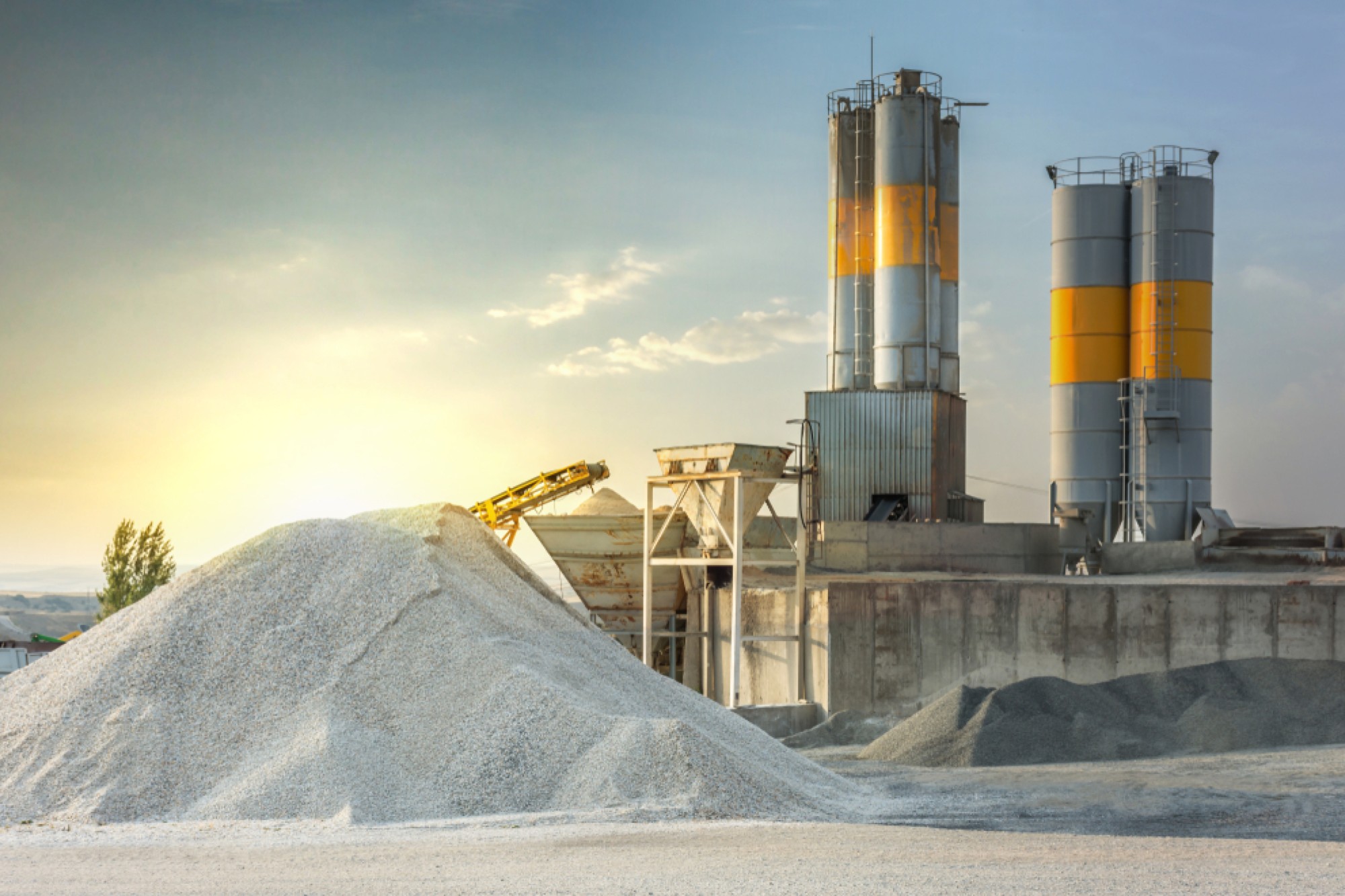
Shree Cement has advanced its expansion strategy with approval for a new integrated cement facility in Meghalaya, signalling a deeper push into India’s northeastern markets where infrastructure demand is steadily rising.
The proposed unit will be developed in East Jaintia Hills district, a region that has increasingly attracted industrial interest due to its mineral resources and proximity to growing consumption centres. With an estimated clinker capacity of nearly one million tonnes annually and a similar cement output, the project is designed to strengthen production capabilities while reducing dependence on long-distance transportation. The investment, pegged at roughly ₹18,000 crore, will be financed through a mix of internal accruals and borrowings, reflecting a broader trend among large manufacturers to scale capacity amid rising demand from infrastructure and housing sectors. Industry experts note that decentralised production in regions like the Northeast can significantly lower logistics costs, improve delivery efficiency, and support faster project execution across neighbouring states.
From a market perspective, the expansion comes at a time when India’s cement sector is witnessing renewed growth, driven by public infrastructure spending and urban development. The Northeast, though historically underserved in terms of industrial capacity, is emerging as a key frontier, supported by improved road connectivity, policy incentives, and rising construction activity in smaller urban centres. However, the project has also brought environmental and social considerations into focus. Local stakeholders and advocacy groups have expressed concerns regarding potential impacts on water resources, agricultural land, and traditional livelihoods. The region’s ecological sensitivity makes it particularly vulnerable to large-scale industrial activity, prompting calls for detailed environmental assessments and inclusive public consultations.
Urban and environmental planners emphasise that while cement production is integral to economic development, it is also one of the more carbon-intensive industries. As India advances towards climate-resilient growth, experts argue that new projects must incorporate cleaner technologies, efficient resource use, and strict adherence to environmental norms to minimise long-term ecological costs. The approval also highlights the importance of robust governance frameworks in balancing industrial growth with community welfare. Transparent regulatory processes, meaningful engagement with local populations, and accountability in environmental clearances are seen as critical to ensuring that such projects deliver equitable benefits.
For Shree Cement, the Meghalaya facility represents both an opportunity and a responsibility—expanding its footprint in a high-potential region while navigating the complexities of sustainable industrialisation. As the project moves towards execution, its progress will be closely watched as an indicator of how India’s next phase of infrastructure growth aligns with environmental and social priorities.
Shree Cement Greenlights Cement Plant Project In Meghalaya