Shipping lines add 800 USD surcharge on Pakistan cargo
Foreign shipping companies are introducing additional surcharges of up to $800 per container on cargo to and from Pakistan, beginning May 15, in response to rising operational costs and shifting regional logistics.
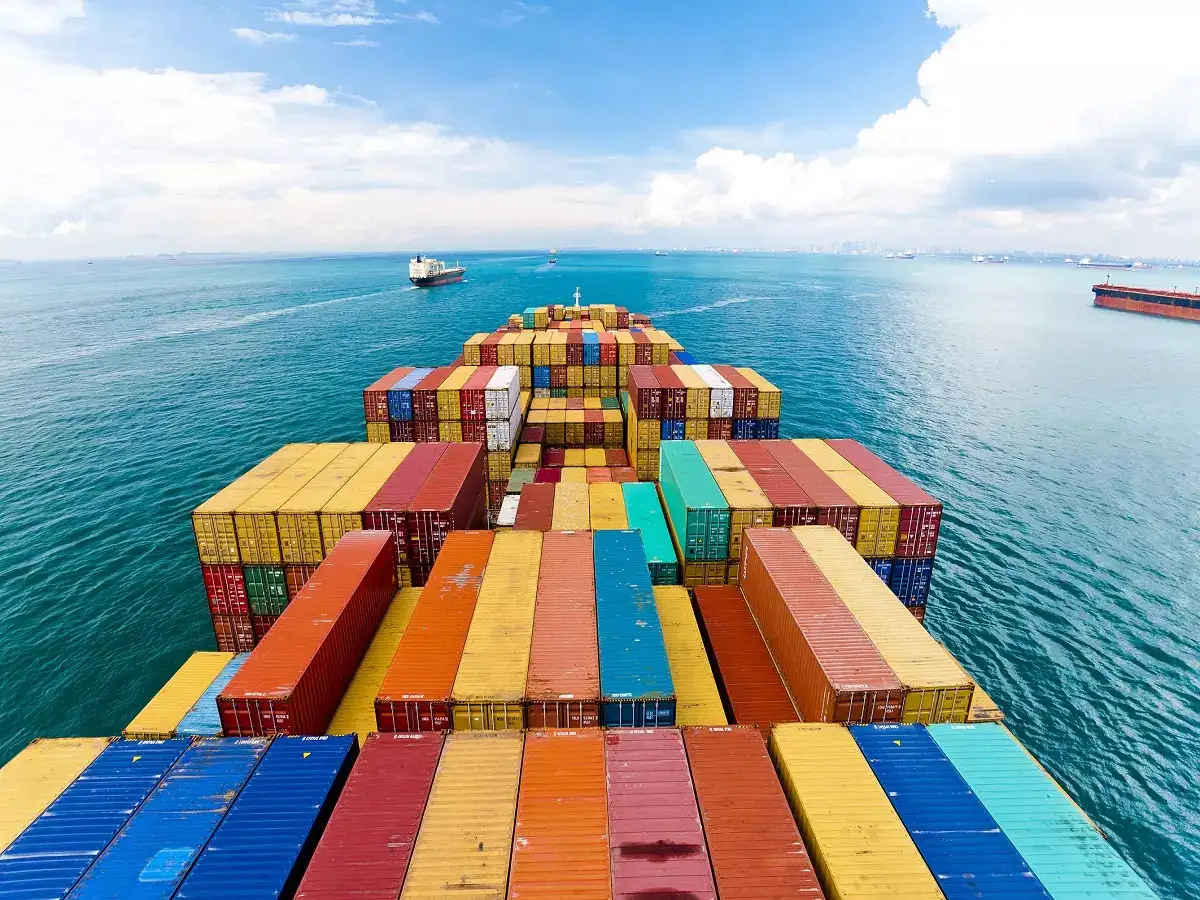
The Emergency Operational Recovery Surcharge (EORS) will affect trade across major routes including Europe, the US, Africa, Asia, and Australia. French container giant CMA CGM has confirmed an $800 charge on shipments bound for Europe, the US East Coast, Africa, and the Middle East, encompassing both imports and exports. The surcharge is expected to remain effective at least until June 6. Other major global shipping lines are likely to follow suit, according to industry insiders, who cite increased feeder vessel expenses and rerouting costs. The new surcharge particularly impacts cargo linked to the US, Latin America, and Australia, forcing shipping firms to reroute through transshipment hubs like Colombo in Sri Lanka and Salalah in Oman. The Pakistan Ship’s Agents Association (PSAA) has attributed the cost hike and strategic redirection to Indian maritime policy changes, which are being interpreted as efforts to discourage direct port engagement with Pakistan.
Despite these developments, the Karachi Port Trust has reported normal activity levels, with no evidence of congestion or delays, signalling that port operations remain stable for the time being. The surcharge announcement comes as tensions escalate between India and Pakistan. On May 3, Pakistan’s Ministry of Maritime Affairs barred Indian-flagged vessels from docking at its ports and prohibited Pakistani ships from calling at Indian ports. This restriction, however, excludes Reshipment on Board (RoB) cargo, allowing Indian-origin goods transiting through Pakistan to continue moving without disruption. Meanwhile, India’s ban on the import and transit of all Pakistani-origin goods has significantly affected trade volumes, with an estimated 6,000 to 7,000 twenty-foot equivalent units (TEUs) of weekly exports from Karachi now impacted.
The rising freight charges and changing shipping routes reflect growing uncertainty in South Asia’s maritime logistics landscape, as traders face longer transit times and higher operational expenses driven by geopolitical friction.