Shimla Monsoon Forces Closure of Three NHs, Floodgates Opened Due to Beas Risk
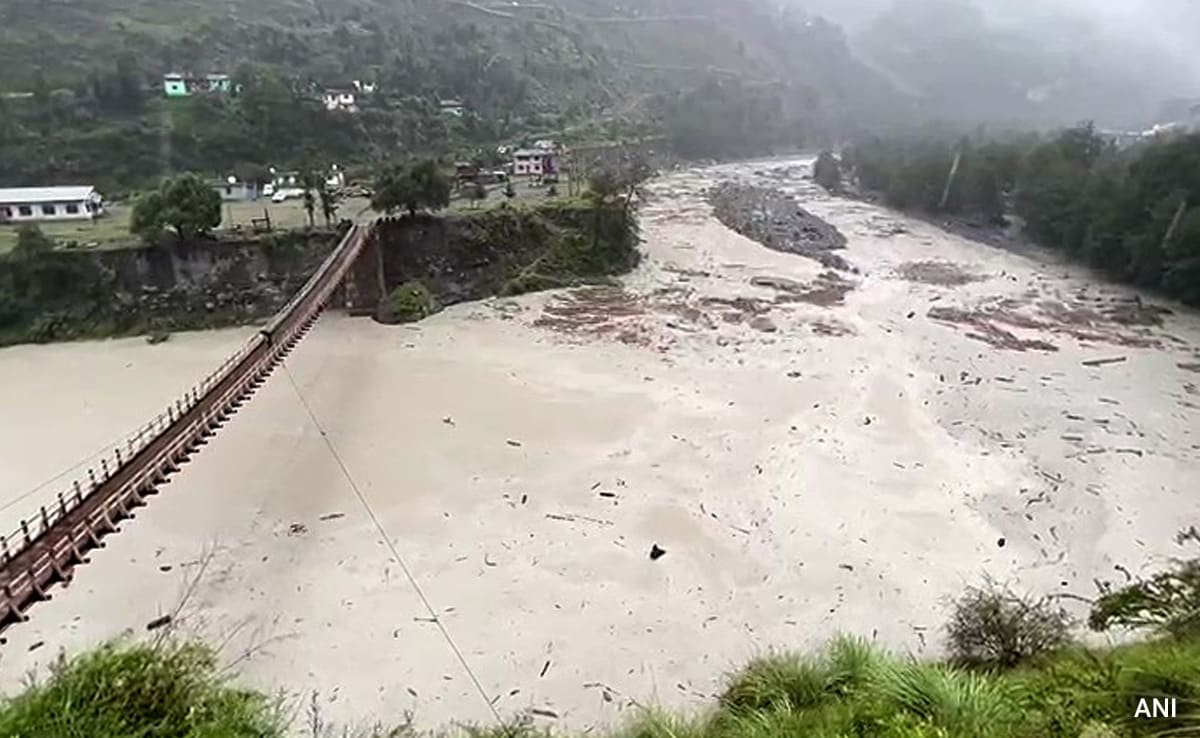
Himachal Pradesh’s Mandi district is currently grappling with widespread disruption as incessant monsoon rainfall has triggered extensive landslides, leading to the closure of all three national highways traversing the region. Over 170 roads across the district remain obstructed, severely impacting connectivity and daily life. Simultaneously, the Beas River has swelled precariously close to the danger mark, necessitating the opening of floodgates at the Pandoh and Larji dams. This multi-faceted crisis underscores the critical need for resilient infrastructure and proactive disaster management strategies to safeguard communities and ensure sustainable urban and rural environments in the Himalayan state.
Since late Sunday night, the Chandigarh-Manali National Highway has been particularly affected, with continuous rockfalls and debris blocking key stretches near 4 Mile, 9 Mile, Kainchi Mod, Moon Hotel, and around the Dyod flyover. The relentless downpour has rendered debris clearance an arduous task for the National Highways Authority of India (NHAI) teams, whose machinery is struggling against the inclement weather conditions. The disruption extends beyond this vital artery, with the Mandi-Kotli and Mandi-Pathankot highways also succumbing to multiple landslides, effectively isolating several parts of the district and disrupting essential supply chains.
The cascading impact of these road closures is profound, affecting not just local commuters but also vital economic activities such as tourism and trade. District police officials have issued a stern travel advisory, urging the public to avoid non-essential travel and seek alternative routes, highlighting the inherent dangers posed by the unstable terrain. This situation draws attention to the inherent vulnerabilities of a region reliant on mountainous road networks, emphasizing the need for advanced early warning systems and more robust, climate-resilient engineering solutions in future infrastructure projects to ensure long-term sustainability.
Concurrently, the heavy rainfall has led to a dramatic rise in the water level of the Beas River. In a proactive measure to manage the escalating water levels, the Bhakra Beas Management Board (BBMB) has opened all five spillway gates of the Pandoh Dam, releasing approximately 42,000 cusecs of water. Similarly, the Larji Dam has been discharging nearly 70,000 cusecs, further contributing to the river’s surge downstream. While officials assure the situation is under control and monitoring is continuous, these releases necessitate heightened vigilance from communities living along the riverbanks.
The district administration and BBMB have jointly appealed to both residents and tourists to maintain a safe distance from the Beas River and its tributaries, instructing local communities to keep livestock away from the water’s edge. The current challenges in Mandi highlight the imperative for integrated urban planning and environmental management that accounts for the increasing frequency and intensity of extreme weather events. Moving forward, a collaborative approach focusing on eco-friendly infrastructure, gender-neutral emergency response protocols, and equitable community engagement will be paramount in building a more resilient and sustainable Himachal Pradesh.