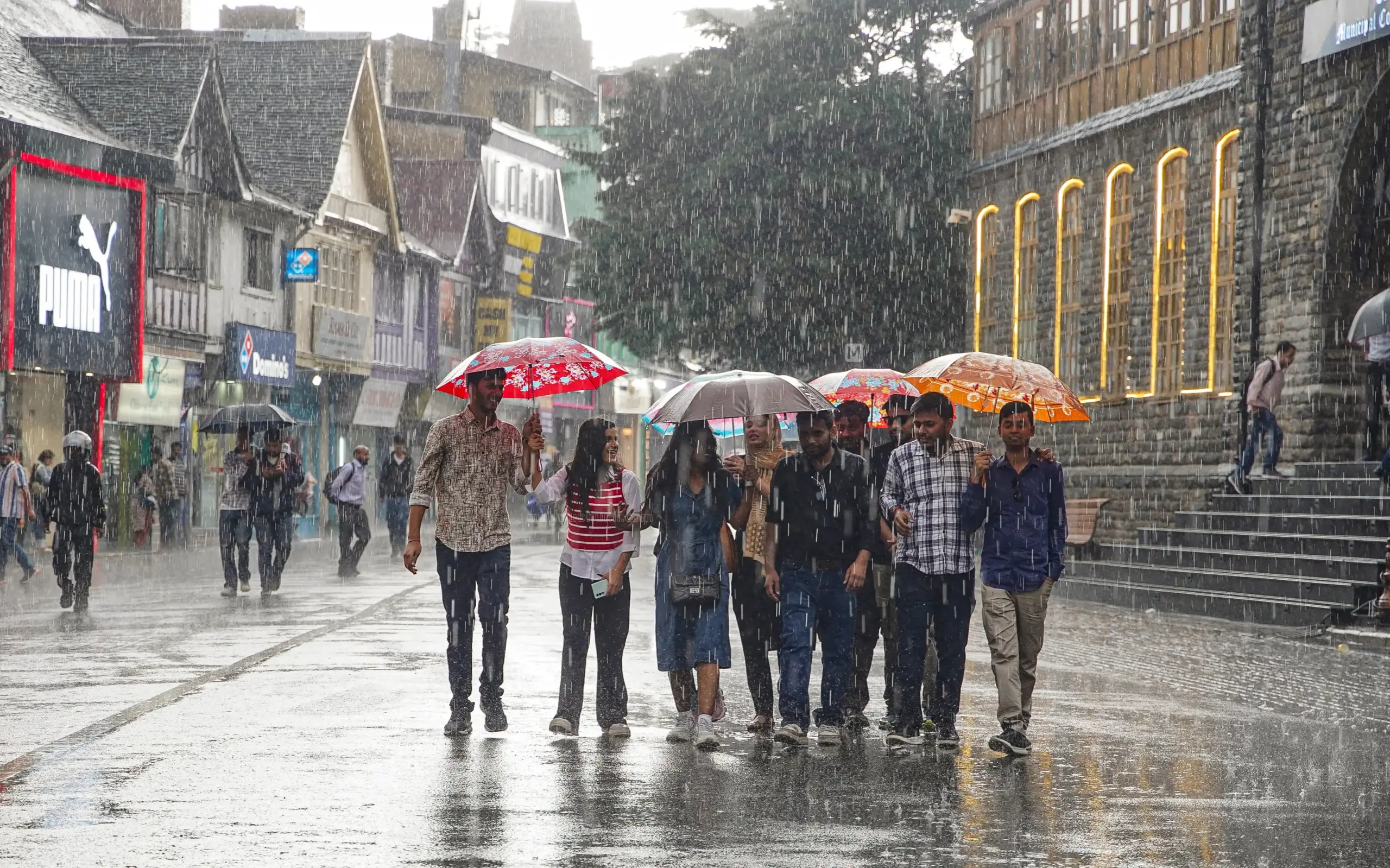
Shimla Hit as 460 Roads, 680 Water Schemes Disrupted by Monsoon
Relentless monsoon rainfall has paralysed vital civic infrastructure across Himachal Pradesh, severely disrupting road connectivity and access to safe drinking water. Over 460 roads have been rendered impassable, while nearly 680 water supply schemes remain non-functional, according to officials from the State Disaster Management Authority (SDMA). The disruption is most acute in districts like Mandi, Kangra, Kullu, and Chamba, where heavy rains and unstable terrain have triggered recurring landslides, posing a major challenge for restoration efforts. With rainfall forecasted to continue, repair operations by public works and water departments remain locked in an uphill battle.
The bulk of the damage has hit Mandi, where 310 roads are currently blocked, bringing local traffic and goods transport to a near standstill. Officials report that field teams are working round the clock to clear debris and restore essential routes, but continued precipitation and unstable soil conditions are slowing recovery. In Kangra, access to clean water has been severely affected, with over 590 government-operated water supply systems out of service due to landslide damage, blocked intake points, or power disruptions. Temporary tanker supplies have been mobilised to service some of the more densely populated areas, but rural households continue to suffer uneven access. Kullu and Chamba districts have also reported a combined impact of over 70 road closures and 300 disrupted electricity transformers, exacerbating both mobility and utility delivery challenges.
The monsoon-triggered breakdown of basic infrastructure has begun to isolate remote areas, further delaying critical services and raising long-term questions about infrastructure resilience in hilly terrain. Local authorities have urged residents to remain indoors unless absolutely necessary, as earth movement and stream swelling continue to endanger both public assets and private property. Two national highways—NH-21 and NH-154—remain blocked as of Monday morning, causing logistical delays in supply chains and prolonging travel times for emergency and public services. Meanwhile, the Jal Shakti Department has intensified restoration work in districts like Sirmaur, where 160 water schemes remain non-functional. Field teams are focusing on clearing debris from filtration units, repairing intake channels, and restoring pumping power to restart water flow in urban and peri-urban belts.
Despite around-the-clock efforts by Public Works and utility departments, fresh landslides triggered by intermittent showers continue to undo progress made in the last few days. With unpredictable weather and fragile slopes, long-term solutions may require a shift toward more climate-resilient planning, including geo-stabilisation works and decentralised water supply models that are less prone to monsoon damage. While there is no immediate timeline for full restoration, authorities have reassured the public that priority zones—such as areas near hospitals, emergency centres, and marketplaces—are receiving accelerated attention. Civic officials also emphasised the need for coordinated action across departments and communities to ensure safe mobility, equitable access to water, and improved resilience against future disruptions.