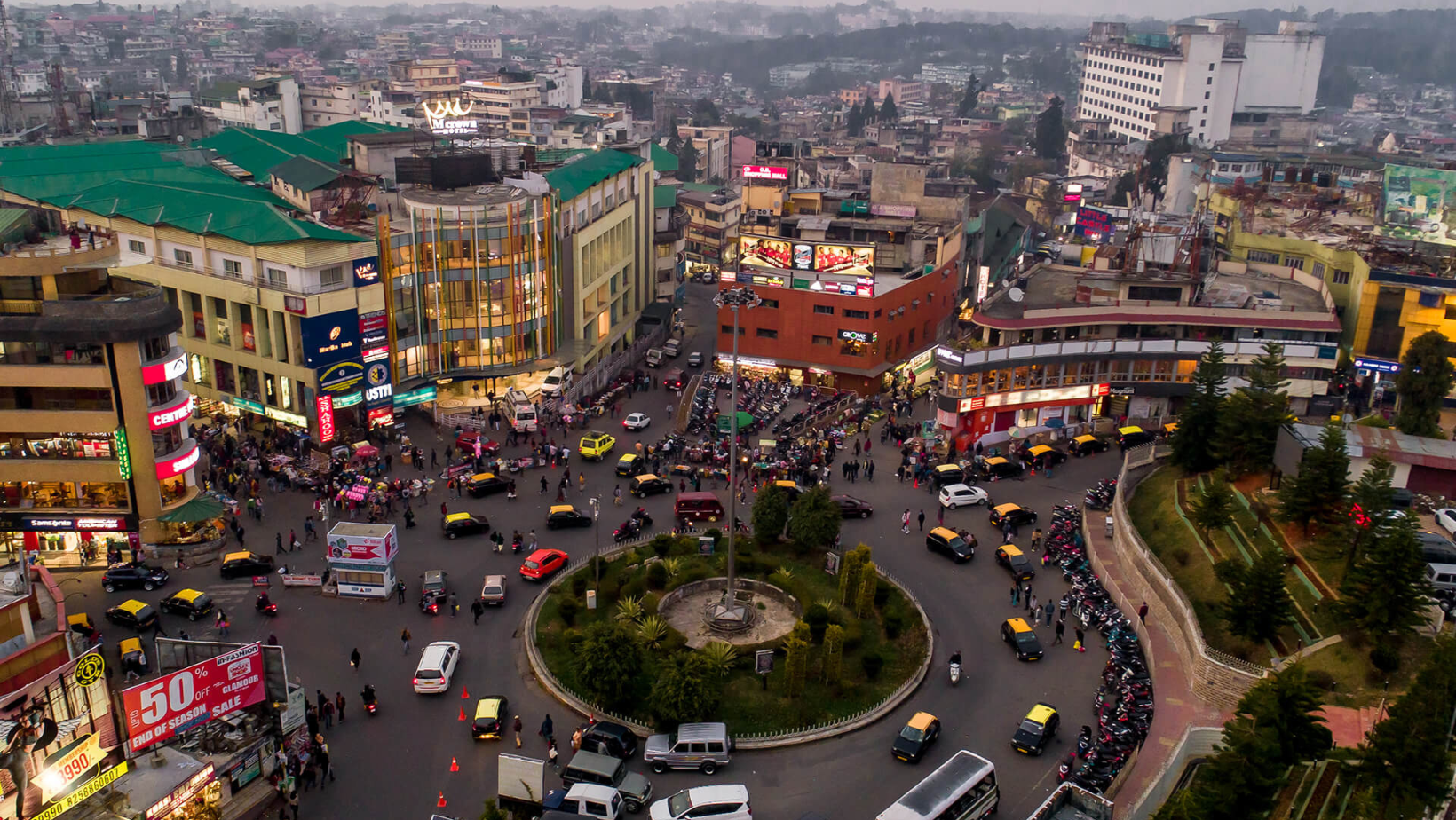
Shillong Pushes Smart Infrastructure While Preserving Ecology Amid Climate Extremes
In the hills of Shillong, a critical conversation is unfolding on how India can balance ecological preservation with the aspirations of modern infrastructure and connectivity. At a key interaction this week, policymakers advocated for locally driven development in fragile landscapes, positioning Meghalaya as a national testbed for sustainable growth.
Acknowledging the intensification of extreme weather—where flash floods and torrential rains are no longer anomalies but routine—the state was spotlighted as a priority zone for climate-smart interventions. Officials stressed the urgency of enabling digital infrastructure, such as fibre optic connectivity, in rural areas to boost access to markets for local artisans and farmers. However, they cautioned that such expansion must occur with community consent and ecological foresight. “Development cannot be dictated from outside,” said one senior policymaker. “Communities living in forested and hilly terrain must determine their thresholds for modernisation. This is the essence of participatory policy.”
This locally embedded approach is gaining ground, particularly as the impacts of climate change become more severe and unpredictable. The session underscored the need for balance—allowing development without overwhelming fragile ecosystems that have remained undisturbed for centuries. Beyond ecological concerns, the session also examined critical gaps in infrastructure and capital access in the Northeast. Participants urged better credit facilities for MSMEs, rationalised logistics subsidies due to high terrain-related costs, and inclusion of regional industries in central schemes such as the Targeted Champion Sector Scheme.Officials responded with assurances that the Union government is working to simplify taxation systems and expand financial accessibility to ensure inclusive growth.
The region’s calls for sustainable infrastructure, improved digital access, and targeted policy support were taken as inputs for long-term strategic planning. The dialogue ended on a forward-looking note, with participants reaffirming that the development-environment balance must centre on the needs and voices of local communities. With India set to participate in the upcoming global climate summit in Brazil’s Amazon basin, Shillong’s home-grown model could serve as a roadmap for climate-resilient, inclusive development across the subcontinent.