


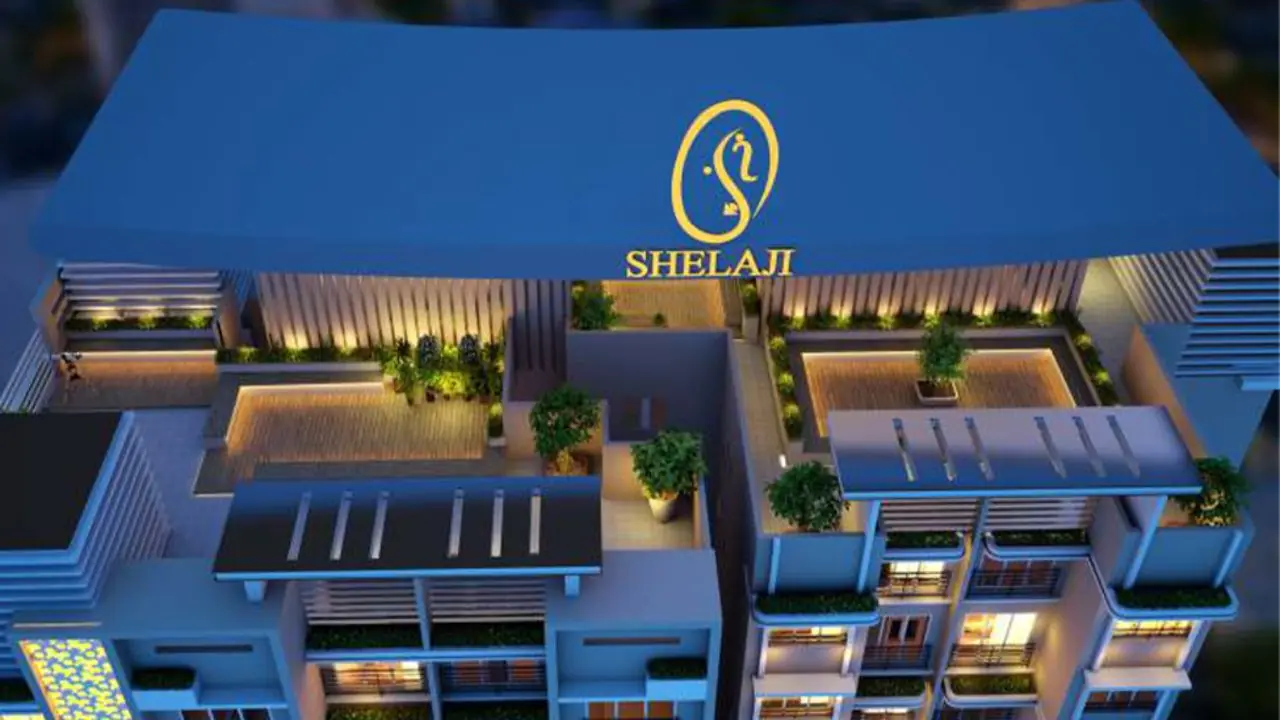
Mumbai’s residential market is increasingly being shaped by design quality, location efficiency and long-term livability rather than scale alone, as evidenced by recent industry recognition for a premium housing project in Borivali West. The acknowledgement reflects broader shifts underway in how developers, buyers and planners are re-evaluating urban housing within the city’s mature suburbs.
The project, located in Borivali West, has been recognised by an independent real estate and design awards platform for its positioning within the luxury residential segment. While awards themselves do not determine market outcomes, industry experts say such recognition often mirrors changing buyer expectations particularly in established neighbourhoods where infrastructure, transit access and social amenities are already in place. Borivali West has steadily evolved from a suburban residential zone into a high-demand urban micro-market. With access to suburban rail, metro corridors, arterial road networks and proximity to coastal and green spaces, the area offers a balance that is increasingly rare in Mumbai. Urban planners note that this combination reduces daily travel stress, improves quality of life and supports lower per-capita emissions compared to longer commuter corridors. The recognised development follows a low-density residential format, a trend gaining traction among premium buyers seeking privacy, ventilation and better daylight access. According to housing market analysts, such configurations are becoming more relevant as post-pandemic preferences continue to influence residential design, particularly in dense cities like Mumbai. From a city-planning perspective, premium redevelopment in well-serviced suburbs can help curb urban sprawl. By optimising land use within existing infrastructure limits, projects in locations like Borivali West reduce pressure on peripheral growth areas that often lack adequate public transport, water management and social services.
Industry professionals familiar with the project point to a growing emphasis on practical layouts, structural longevity and neighbourhood integration rather than overt luxury branding. This approach aligns with a wider movement towards responsible real estate development where environmental performance, construction quality and lifecycle costs matter as much as aesthetics. Mumbai’s luxury housing segment has remained resilient despite periodic market fluctuations. Data from recent quarters suggests that demand for well-located, thoughtfully designed homes continues to outpace supply in select micro-markets. This has encouraged developers to prioritise fewer but higher-quality projects, especially in western suburbs with stable civic infrastructure. Urban economists caution, however, that premium housing growth must be balanced with inclusive development. While luxury projects contribute to municipal revenues and urban renewal, parallel investment in affordable housing, public spaces and climate-resilient infrastructure remains critical to maintaining social equilibrium.
As Mumbai navigates its next phase of residential growth, developments in Borivali West illustrate how mature neighbourhoods can evolve without losing their character. For city authorities and developers alike, the challenge ahead lies in ensuring that quality-led housing contributes not just to market value, but to a more liveable, sustainable and equitable urban future.
Also Read: Mumbai Commercial Market Sees Supply Shift
Shelaji Borivali Project Highlights Luxury Housing Trends
