


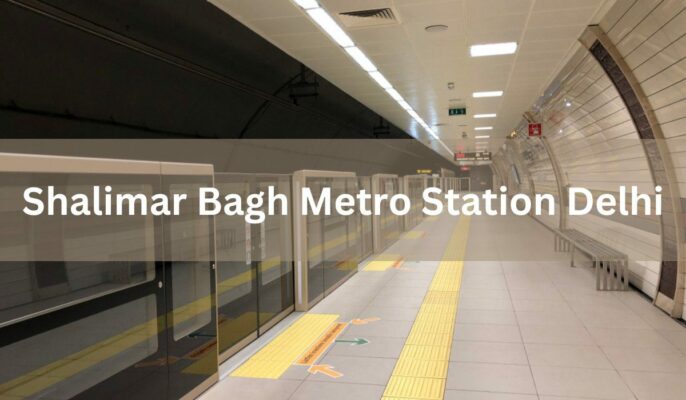
A concentrated wave of neighbourhood-scale infrastructure investment is reshaping Shalimar Bagh in north-west Delhi, as the city government marked one year in office by unveiling a portfolio of civic projects aimed at improving everyday urban life rather than headline-driven mega developments. The initiative highlights a growing policy emphasis on localised infrastructure delivery within established residential constituencies.
At a public event held in Pitampura, the chief executive of the Delhi government presented a detailed progress report outlining development works valued at approximately Rs 250 crore that have been completed or initiated over the past year within the Shalimar Bagh assembly segment. In addition, multiple large transport and utility projects spanning wider parts of the capital are currently underway, with direct spillover benefits for the area. Urban planners note that the focus on ward-level assets roads, drains, parks and public facilities signals a shift towards strengthening the fundamentals of city functioning. In dense neighbourhoods such as Shalimar Bagh, incremental upgrades can significantly improve walkability, safety, environmental quality and access to services. Among the visible interventions is the ongoing redevelopment of the District Park, which is being reconfigured with new access points, pedestrian infrastructure, sanitation facilities and water features. Such projects, experts say, play a critical role in enhancing public spaces in land-constrained urban zones, offering social and environmental value beyond recreational use.
Looking ahead, the government has outlined plans for transport and social infrastructure projects that could alter the area’s long-term urban profile. These include a proposed elevated road along the Munak Canal, canal-edge rejuvenation works, new community and cultural facilities, upgraded public healthcare infrastructure and expanded sports amenities. Education infrastructure, including model schools and community learning spaces, also features prominently in the pipeline. The development report further details a series of mobility and services upgrades, including road strengthening along key corridors connecting metro stations and arterial routes, drainage modernisation, undergrounding of high-voltage power lines and improved street lighting. Urban renewal efforts in older villages and colonies aim to integrate these areas more effectively into the city’s formal infrastructure network. Significantly, the programme also includes measures to reclaim encroached public land for green and civic use. Thousands of square yards have reportedly been cleared to make way for parks, walking tracks, cycling paths and waterbody restoration an approach aligned with Delhi’s broader climate resilience and liveability goals. Infrastructure analysts point out that coordination between city and central agencies has accelerated delivery timelines for projects such as flyovers, metro connectivity and electric bus deployment.
For residents, the cumulative impact lies not in any single project, but in the aggregation of small, practical improvements that reduce daily friction. As Delhi continues to balance growth with sustainability, the Shalimar Bagh experience offers a case study in how focused, constituency-level investment can reinforce people-first urban development while strengthening the city’s long-term infrastructure base.
Also Read: Delhi Real Estate Brands Enter Cultural Platforms
Shalimar Bagh Infrastructure Drive Marks Governance Shift
