Security Curbs During AI Impact Summit Snarl Delhi Commute
New Delhi’s ambition to position itself as a global artificial intelligence diplomacy hub encountered an urban reality check this week as extensive traffic disruptions overshadowed portions of the high-profile India AI Impact Summit 2026.
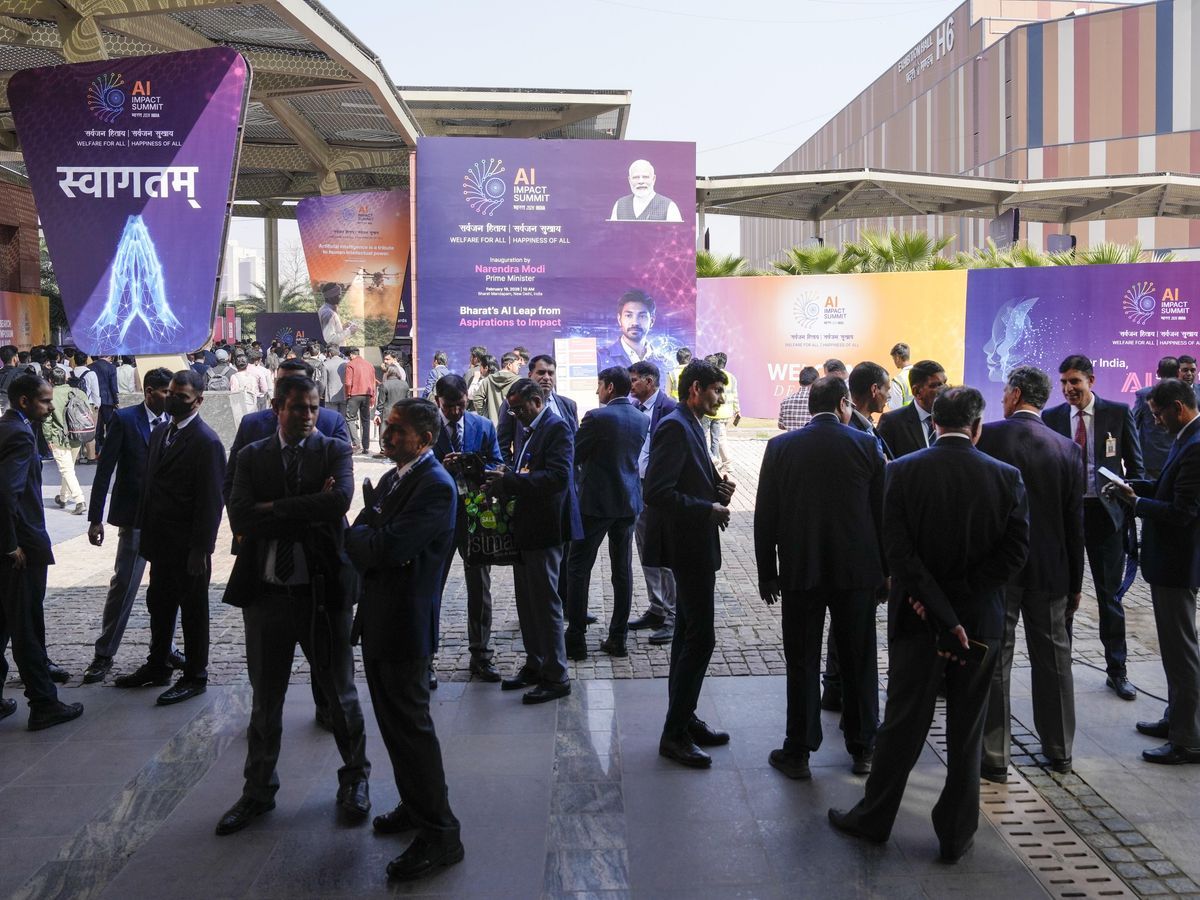
The summit, which drew international policymakers, technology executives and global investors to the capital, was hosted at Bharat Mandapam. While the event spotlighted India’s growing AI capabilities and digital governance framework, stringent security arrangements and VIP convoy movements triggered significant congestion across central and south Delhi corridors.
Authorities imposed temporary road closures, regulated access zones and rolling traffic halts to facilitate secure movement of global delegates. Advisories issued by Delhi Police outlined diversions near Pragati Maidan, diplomatic enclaves and key hospitality clusters. However, the overlap of these measures with peak commuting hours intensified gridlock across arterial routes including Ring Road and Mathura Road. Commuters reported travel delays extending beyond an hour in several pockets, while app-based cab services and commercial deliveries faced unpredictable route changes. The disruption rippled beyond immediate security perimeters, as bottlenecks on primary corridors cascaded into feeder roads and residential neighbourhoods.
Urban mobility analysts note that Delhi’s road network already operates near peak capacity during weekday rush hours. In such an environment, even temporary high-security restrictions can produce disproportionate spillover congestion. “The issue is not the event itself, but the lack of dynamic traffic demand management mechanisms that can absorb sudden capacity reductions,” a senior transport planner observed. Officials encouraged residents to rely on the Delhi Metro, which continued operations without major interruption. Metro corridors saw increased footfall as commuters sought predictable alternatives to surface traffic. However, last-mile connectivity challenges limited the shift for some travellers, particularly in outer NCR districts.
Beyond immediate inconvenience, the episode raises broader questions about event-readiness in megacities. Delhi has previously hosted high-security international gatherings, but experts argue that better synchronisation between security planning and urban mobility modelling is critical. Measures such as staggered office timings, remote work advisories, real-time route communication and enhanced bus deployment could mitigate future disruptions. The contrast between AI-driven policy discussions inside summit halls and real-world traffic paralysis outside underscores a recurring governance paradox: smart city ambition must align with on-ground infrastructure resilience.
As India expands its global technology diplomacy footprint, the experience of the AI Impact Summit serves as a reminder that urban mobility systems remain central to projecting a seamless, globally competitive metropolitan image.