


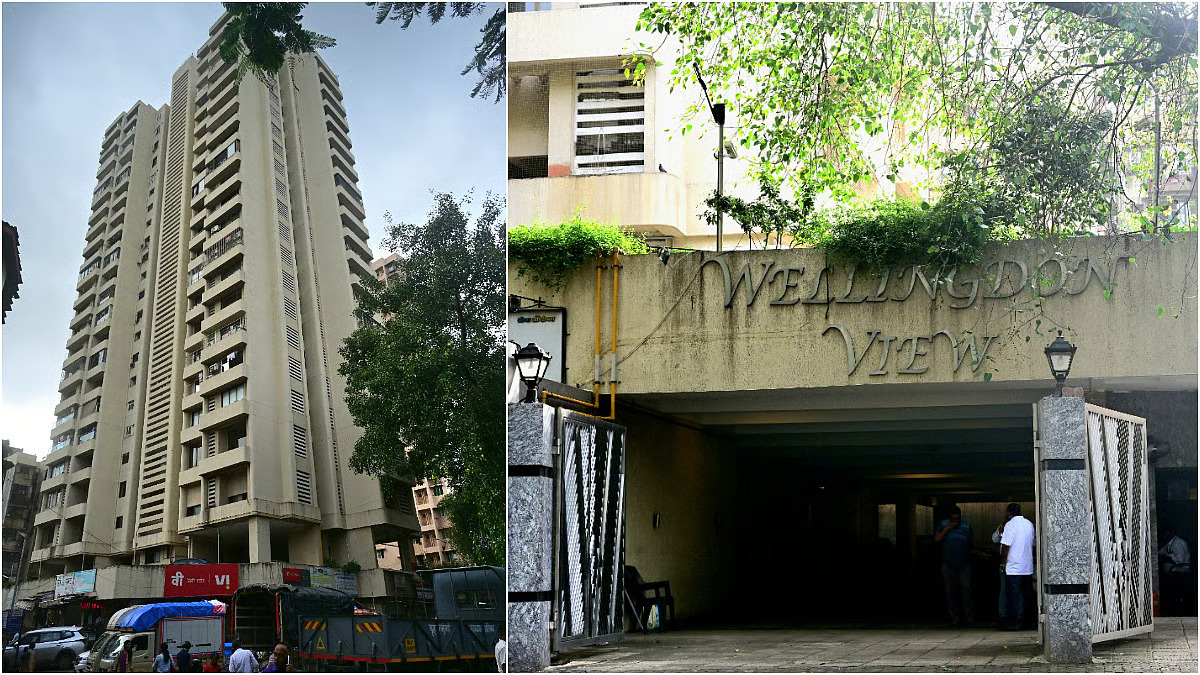
The Supreme Court’s recent ruling has affirmed the Bombay High Court’s directive for residents occupying the top 18 floors of the Wellingdon Heights tower in Tardeo to vacate their apartments within two weeks. The homes—floors 17 to 34 of the 34-storey building—have been occupied since 2011 without a valid Occupancy Certificate (OC) or Fire No-Objection Certificate (NOC), prompting serious legal safety concerns.
The original HC judgment, delivered by Justices Kulkarni and Doctor, labelled the occupants as a “selfish lot” disregarding both safety norms and public welfare. The court acknowledged that the building holds an OC only up to the 16th floor and had stayed action on those lower floors pending further hearings. Residents and their housing society had approached the Supreme Court seeking relief, but a bench led by Justices Pardiwala and Mahadevan declined to intervene. The apex court praised the HC’s “bold and lucid judgment”, while stressing that sympathy towards illegal constructions would undermine the rule of law.
Recognising the hardship posed by the eviction timeline, the Supreme Court granted limited flexibility—allowing occupants to approach the High Court with requests for time extensions. It also urged strict adherence to court directions and authorised civic agencies to take legal action against any individuals or officials responsible for violations. The High Court had earlier denounced the civic authorities for permitting illegal occupation and failing to enforce safety norms, calling the situation an example of severe administrative complacency. The Bench underscored that the building’s illegal upper floors, lacking clearances, posed serious fire and structural risks.
This case sets a critical precedent for urban planning, reaffirming that legal conformity cannot be sacrificed even for elite residential developments. Legal experts have noted that it underscores the importance of regulatory transparency and civic accountability. For other high-rises across Mumbai, the decision signals reinforced scrutiny over building permits, fire safety certifications, and alignment with sanctioned plans. Municipal authorities and residents are now likely to re-evaluate compliance in construction records—particularly for incomplete or irregular developments.
Overall, the Supreme Court’s affirmation of the Bombay High Court’s order reasserts the supremacy of lawful compliance in urban development and serves as a stern reminder that unauthorized construction—even by affluent residents—cannot be tolerated in dense city landscapes.
Also Read : Mumbai Locals Plan August 15 Protest To Save Mahim BMC School
