


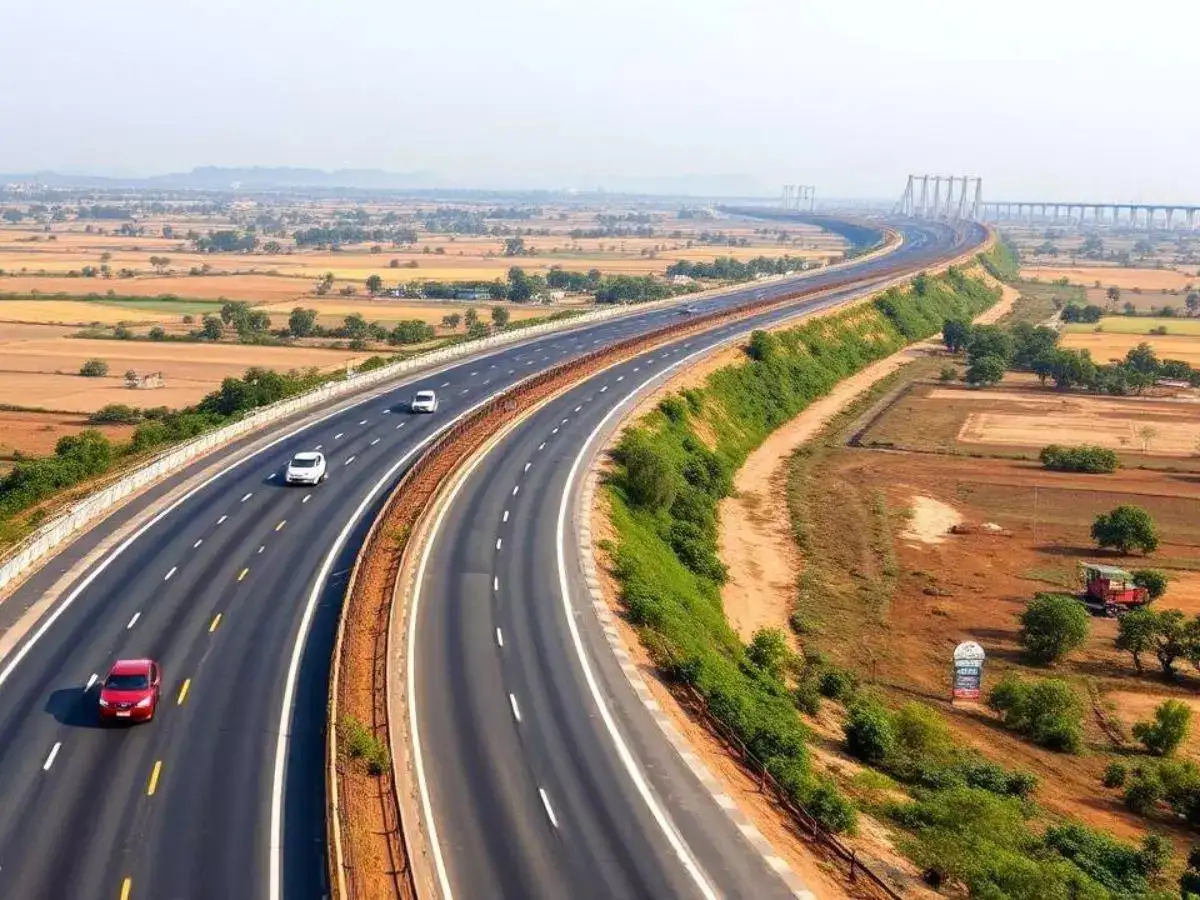
As Maharashtra’s high-speed Samruddhi Mahamarg continues to redefine intercity travel, its rapid adoption by motorists is beginning to impact the financial viability of older state highways. With greater efficiency, reduced travel time, and enhanced connectivity to industrial and tourism hubs, the 701-km expressway is emerging as the preferred route for both commercial and private vehicles—prompting concerns about toll revenue diversion from legacy corridors.
From August 15, the Centre is set to roll out a ₹3,000 annual Fastag pass that allows 200 trips on national highways. While the scheme excludes Maharashtra’s state-managed highways such as the Mumbai–Pune Expressway and Samruddhi Mahamarg, experts believe the initiative could indirectly boost long-distance road travel volumes on competing routes, especially those under central jurisdiction. The average toll per trip under this new scheme works out to just ₹15, which is significantly cheaper than current toll rates across many highways. Senior transport department officials acknowledged that the Samruddhi Mahamarg, operational between Mumbai and Nagpur, has already shifted commuter patterns. Offering faster travel and safer road conditions, it has diverted significant vehicular traffic from the Old Mumbai–Nashik Highway, particularly freight and long-distance private vehicles. Despite its slightly higher tolls, the expressway’s time-saving advantage is proving decisive for daily and business commuters.
Data from the state’s toll monitoring agencies indicate that roads like the Pune–Satara–Kagal stretch of the Mumbai–Bengaluru highway and the Mumbai–Ahmedabad corridor in Maharashtra are also witnessing gradual shifts in usage. These older highways—once among the state’s highest toll revenue generators—may now need to recalibrate long-term projections if traffic volumes continue to dwindle. Additionally, the Vidarbha region, long disconnected from mainstream tourism circuits, is seeing a boost in visitor numbers thanks to the Samruddhi route, which links several lesser-known but culturally significant destinations. Industrial zones in central Maharashtra, particularly around Aurangabad and Nashik, are also reporting improved logistical performance due to quicker transit times along the expressway.
However, while the Samruddhi Mahamarg may be reshaping road usage, infrastructure experts caution that the state must balance this transformation with fiscal sustainability. A senior toll economist noted that aligning toll frameworks with risk-adjusted returns is critical if Maharashtra wishes to attract long-term foreign and domestic investments into its road infrastructure. Meanwhile, another official confirmed that no toll is currently being collected on the Goa highway project, which remains Maharashtra’s most delayed four-laning corridor due to land acquisition issues and resistance from local communities in the Konkan region.
As policy frameworks evolve to make highways more accessible and efficient, the Samruddhi Mahamarg’s success underscores a wider shift in commuter preferences—one that calls for both adaptation and innovation across the state’s ageing road network.
Also Read :Thane HC Pushes Crackdown on Illegal Yeoor Hills Constructions
