


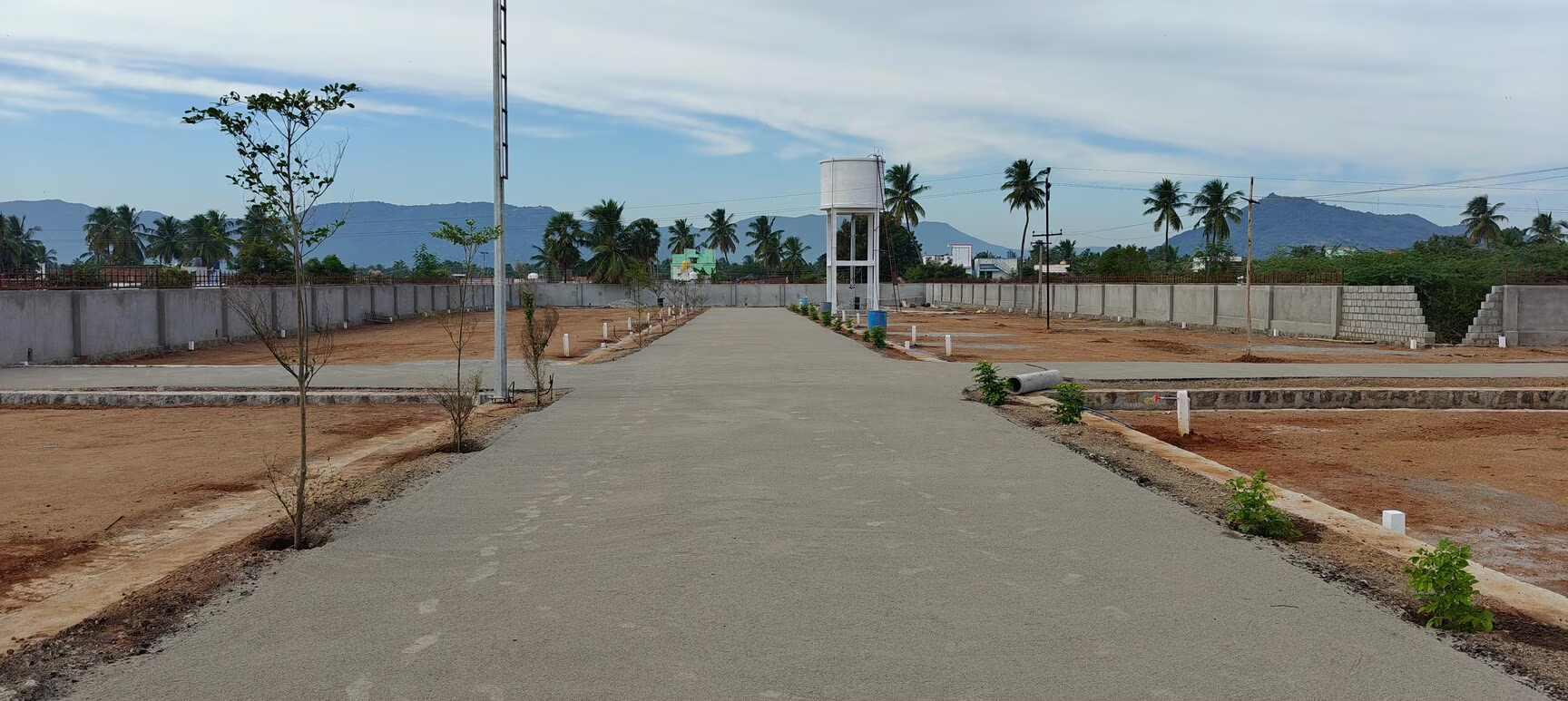
The Salem city administration has begun a coordinated programme to repair damaged roads and underground sewer networks across multiple neighbourhoods, responding to mounting public concern over deteriorating civic infrastructure. The intervention, currently underway in several residential and commercial zones, is aimed at restoring safe mobility, preventing sanitation failures, and stabilising essential urban services ahead of peak summer usage. For a fast-growing Tier-II city, the works highlight the urgency of aligning infrastructure maintenance with urban expansion. Municipal officials overseeing the programme indicated that road surfaces in many parts of the city had deteriorated due to repeated excavation for underground utilities, ageing sewer lines, and seasonal weather stress. In several localities, incomplete restoration after utility work had resulted in uneven surfaces, water stagnation, and traffic bottlenecks, affecting commuters, pedestrians, and local businesses alike.
Urban planners note that Salem’s infrastructure challenge is not unique. Medium-sized cities across southern India are grappling with the consequences of rapid densification without proportionate upgrades to underground systems. Sewer blockages and surface damage often compound each other, with leaking pipelines weakening road foundations and increasing long-term maintenance costs. Addressing both systems together, as Salem has initiated, is seen as a more integrated and cost-effective approach. According to officials familiar with the repair plan, priority corridors have been identified based on traffic volume, population density, and the frequency of service complaints. Sewer repairs are being undertaken first, followed by resurfacing of roads to reduce the need for repeated digging. This sequencing, infrastructure experts say, is critical for extending asset life and reducing disruption to daily life. The economic implications are significant. Poor road conditions increase vehicle operating costs, delay goods movement, and disproportionately affect informal workers who rely on walking, cycling, or two-wheelers. Local traders have long argued that damaged streets reduce footfall and raise logistics expenses. By restoring road quality alongside sanitation networks, the city aims to improve both productivity and public health outcomes.
From a sustainability perspective, well-maintained sewer systems reduce the risk of untreated wastewater entering stormwater drains and nearby water bodies, a recurring issue in rapidly urbanising areas. Climate specialists point out that resilient underground infrastructure is increasingly important as cities face more intense rainfall events, which can overwhelm ageing sewer lines and flood streets. However, urban governance experts caution that reactive repairs must be complemented by long-term asset management. Without updated mapping of underground utilities, standardised restoration protocols, and coordination between departments, cities risk repeating cycles of damage and repair. Transparent timelines and clear communication with residents are also essential to maintain public trust during disruptive works.
As Salem continues to grow as a regional commercial and industrial hub, the success of these repairs will be measured not just by smoother roads, but by whether the city can transition towards preventive maintenance and climate-resilient infrastructure planning. The coming months will reveal whether this effort marks a short-term fix or a shift in how the city manages its urban backbone.
Also Read: Maharashtra Samruddhi Highway Faces Temporary Closure
Salem Infrastructure Repairs Aim Urban Resilience
