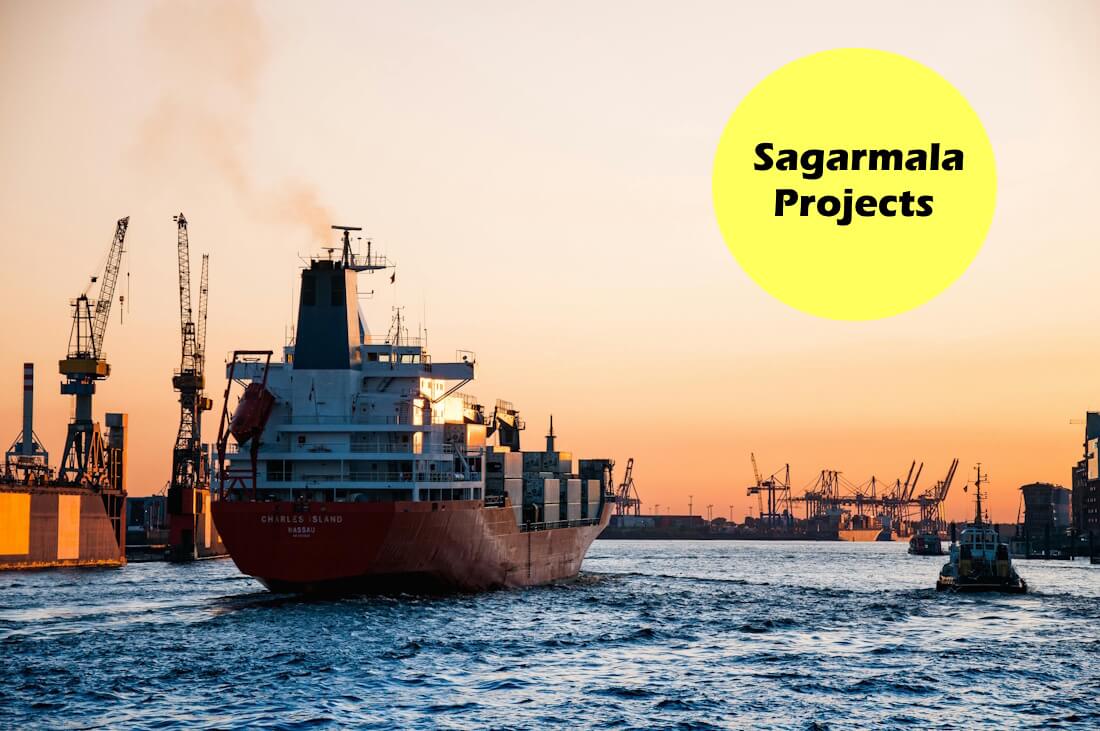
Sagarmala Programme is charting a new course for the nation’s maritime sector, aiming to harness the vast potential of its 7,500 km coastline and 14,500 km of navigable waterways.
Launched by the Ministry of Ports, Shipping, and Waterways, the programme seeks to transform India into a global maritime hub by enhancing port infrastructure, promoting coastal shipping, and fostering inclusive development in coastal communities. With 839 projects under its umbrella and an estimated investment of Rs 5.79 lakh crore, Sagarmala is not just a vision but a dynamic reality. To date, 272 projects worth approximately Rs 1.41 lakh crore have been completed, with significant contributions to port modernisation. This pillar alone has seen 103 projects completed, increasing port capacity by over 528 million tonnes per annum, thereby enhancing India’s competitiveness in global trade.
The scope of Sagarmala extends beyond port development. It integrates five strategic pillars: port modernisation, port connectivity, industrial growth through ports, development of coastal communities, and the promotion of coastal shipping and inland water transport. This comprehensive approach ensures that economic growth is inclusive, sustainable, and environmentally responsible. A notable focus of the programme is the development of coastal communities, aiming to uplift the quality of life through skill development, capacity building, and sustainable economic activities. The Ministry of Rural Development (MoRD) has collaborated with the Ministry of Ports, Shipping, and Waterways to implement the DDU-GKY Sagarmala Convergence Programme. This initiative was piloted between 2016 and 2018 in five states Andhra Pradesh, Karnataka, Maharashtra, Odisha, and Tamil Nadu targeting skill gaps identified in 21 coastal districts across nine states and three Union Territories.
So far, 2,079 individuals have undergone training under this programme, with 1,243 securing employment opportunities. These efforts not only enhance employability but also promote gender inclusivity and equitable development in coastal regions. In line with India’s commitment to zero-net carbon emissions, Sagarmala is also focusing on sustainable practices. The promotion of coastal shipping and inland water transport is a key strategy to reduce carbon footprints, as these modes are more energy-efficient compared to road and rail transport. Moreover, the programme supports the development of eco-friendly port infrastructure, incorporating green technologies and renewable energy solutions. This aligns with the broader national agenda of fostering environmentally sustainable urban and industrial growth.
Sagarmala’s impact is already visible in the economic upliftment of coastal regions, the creation of jobs, and the enhancement of maritime logistics. The government’s continued focus on this transformative programme is expected to accelerate India’s maritime growth, boost regional connectivity, and contribute significantly to the country’s GDP.
Sagarmala Projects Boost Maritime Growth and Coastal Development