


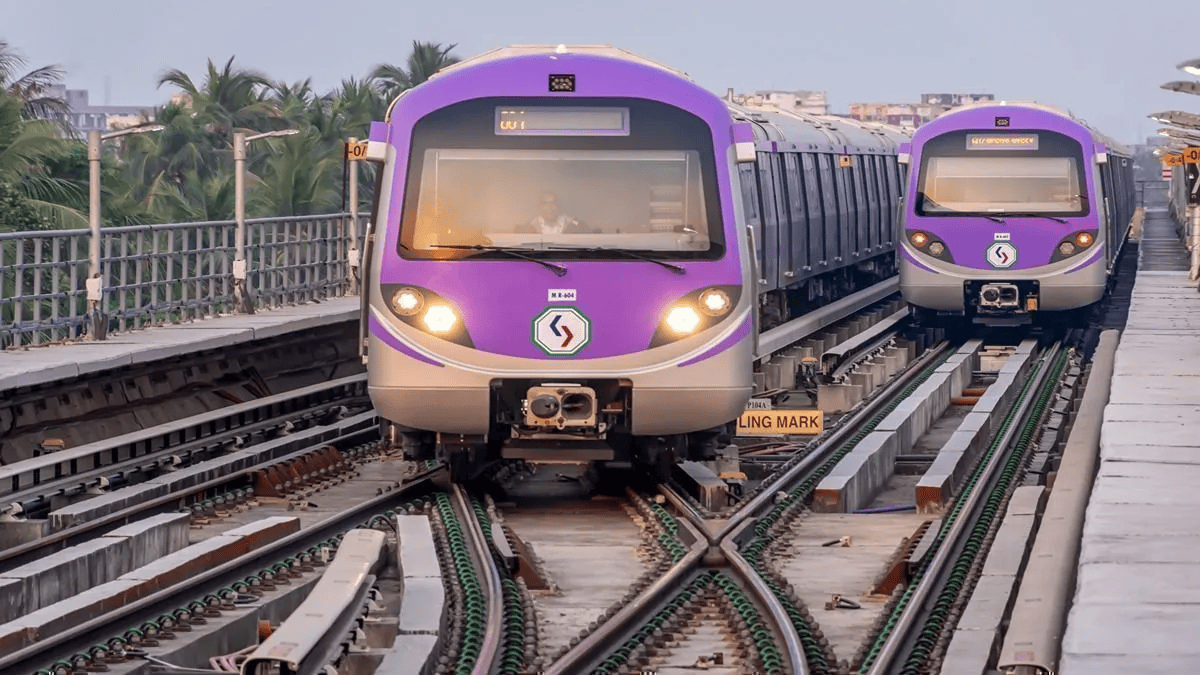
The recent announcement by Rail Vikas Nigam Limited (RVNL) regarding the successful completion of the survey for the Purple Line metro extension heralds a new era for urban infrastructure development. This critical phase, often a precursor to ground-breaking construction, underscores a strategic commitment to bolstering public transport networks. The expansion of metro lines is not merely about adding kilometres of track; it is a fundamental shift towards creating cities that are less reliant on private vehicles, thereby contributing significantly to a zero net carbon future and improved air quality for all residents.
This infrastructure push is a cornerstone of sustainable urban planning. By offering a high-capacity, energy-efficient mode of transport, the metro extension is set to drastically reduce vehicular emissions and traffic bottlenecks that plague modern Indian cities. This translates directly into tangible environmental benefits, including cleaner air and a reduced carbon footprint, aligning perfectly with global mandates for eco-friendly urbanisation. Furthermore, it promotes a more efficient use of urban space, curbing the need for extensive road widening and parking infrastructure.
Also Watch: “Mumbai will rock, shine and always be India’s best city to live.” In an exclusive, MHADA CEO Sanjeev Jaiswal (IAS) talks about Mumbai’s enduring charm, livability, and the government’s focus on making it affordable for all
Beyond its environmental advantages, the Purple Line extension carries profound socio-economic implications. Enhanced connectivity will significantly improve accessibility for a diverse range of commuters, including daily wage earners, students, and professionals. For women, in particular, a safe, reliable, and affordable public transport system is a catalyst for greater participation in the workforce and educational pursuits, fostering a more gender-neutral and equitable urban environment. It empowers individuals by reducing travel times and costs, thereby expanding their access to economic opportunities and essential services across the urban agglomeration.
The completion of this survey is a testament to meticulous planning and engineering foresight, laying the groundwork for the next phases of project implementation. It represents the intricate process of identifying optimal routes, assessing geological conditions, and integrating the new corridor seamlessly with existing urban fabric. Such strategic investments are vital for the long-term health and prosperity of burgeoning metropolitan areas, providing the logistical backbone necessary for sustained growth and improved quality of life.
As urban centres continue to expand, the imperative for robust and sustainable public transport solutions becomes ever more critical. The Purple Line extension, following the successful completion of its survey, exemplifies a progressive approach to urban development. It is an investment not just in physical infrastructure, but in the collective future of the city – one that prioritises environmental stewardship, social inclusivity, and economic vitality, ensuring a more harmonious and accessible urban experience for generations to come.
Also Read: Air India Flight AI 2744 Skids Off Mumbai Runway Amid Rain Today
