


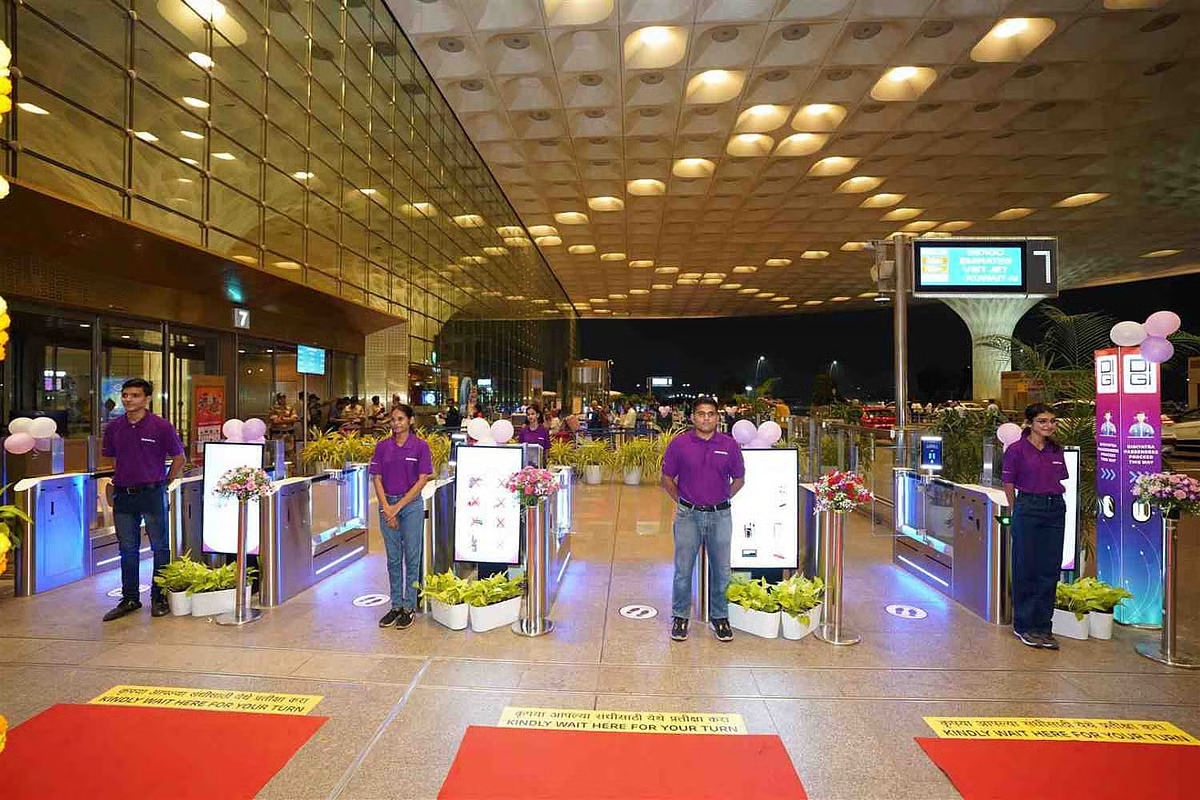
India is charting a bold new course for its aviation sector, underpinned by a colossal Rs 96,000 crore capital expenditure over the past five financial years. This strategic investment is not merely about expanding runways and terminals; it is a forward-looking blueprint to create a network of sustainable, eco-friendly, and equitable airports that will serve as the engines of tomorrow’s urban development. The financial commitment, jointly made by public and private entities, reflects a concerted effort to modernise air travel while aligning with global environmental imperatives and ensuring inclusive growth across the nation.
The monumental investment, spanning from FY 2019-20 to FY 2024-25, has seen the Airports Authority of India (AAI) contribute over Rs 25,000 crore, with the remaining capital being infused by private airport developers. This public-private partnership model is a cornerstone of the nation’s infrastructure strategy, fostering innovation and efficiency. The funds have been strategically allocated to a diverse range of projects, including the development of new airports and the extensive expansion and modification of existing ones. A significant portion has been earmarked for advanced air navigation systems, new passenger facilities, and the crucial strengthening of runways to accommodate the burgeoning air traffic. This financial outlay is a testament to the government’s commitment to keep pace with the exponential growth in passenger demand and to prepare for a future where air travel is more accessible and sustainable.
A key driver of this nationwide expansion is the Regional Connectivity Scheme, known as UDAN (Ude Desh ka Aam Nagrik), which aims to make flying affordable for the common citizen. The scheme has been allocated substantial budgetary support, with over Rs 4,500 crore in Phase I and an additional Rs 1,000 crore in Phase II, specifically for reviving and upgrading unserved and underserved airports. This focus on smaller towns and regional hubs is a powerful tool for promoting equitable development. By bringing these regions onto the national aviation map, the government is not only boosting local economies but also creating new opportunities and reducing the urban-rural divide. These infrastructure projects are designed to be more than just transit points; they are envisioned as integrated hubs that contribute to local employment, skill development, and a more balanced urban landscape.
The commitment to sustainability is woven into the very fabric of this development. While the financial data highlights a robust spending spree, experts indicate that the next phase of this growth will heavily feature initiatives aimed at achieving zero net carbon emissions. Modern airport designs are incorporating a host of green technologies, from solar power generation and rainwater harvesting to advanced waste management and electric vehicle charging stations. New greenfield airports, such as the ones in Noida and Navi Mumbai, are being designed with a focus on sustainable materials and energy-efficient operations. These airports are set to become showcases of how large-scale infrastructure can be developed with minimal environmental impact, serving as a model for future urban planning and development. The holistic approach considers everything from the initial construction phase to the long-term operational impact, ensuring that the aviation sector’s growth does not come at the cost of the environment.
The sheer scale of the projects, which span dozens of cities from major metropolitan areas like Delhi and Bengaluru to emerging hubs like Ayodhya and Vijayawada, underscores a national ambition to transform air travel. This investment is an overt signal to the global community that India is serious about building world-class infrastructure that is not only economically viable but also socially and environmentally responsible. The emphasis on seamless connectivity, sustainable design, and equitable access promises to revolutionise the way people and goods move across the country, fostering a new era of growth that is inclusive, efficient, and forward-looking. The story of India’s airports is no longer just about flights; it’s about building a better, greener future, one airport at a time.
Also Read :Bihar Direct Flights by Spirit Air Begin from Multiple Town Airports under UDAN
