


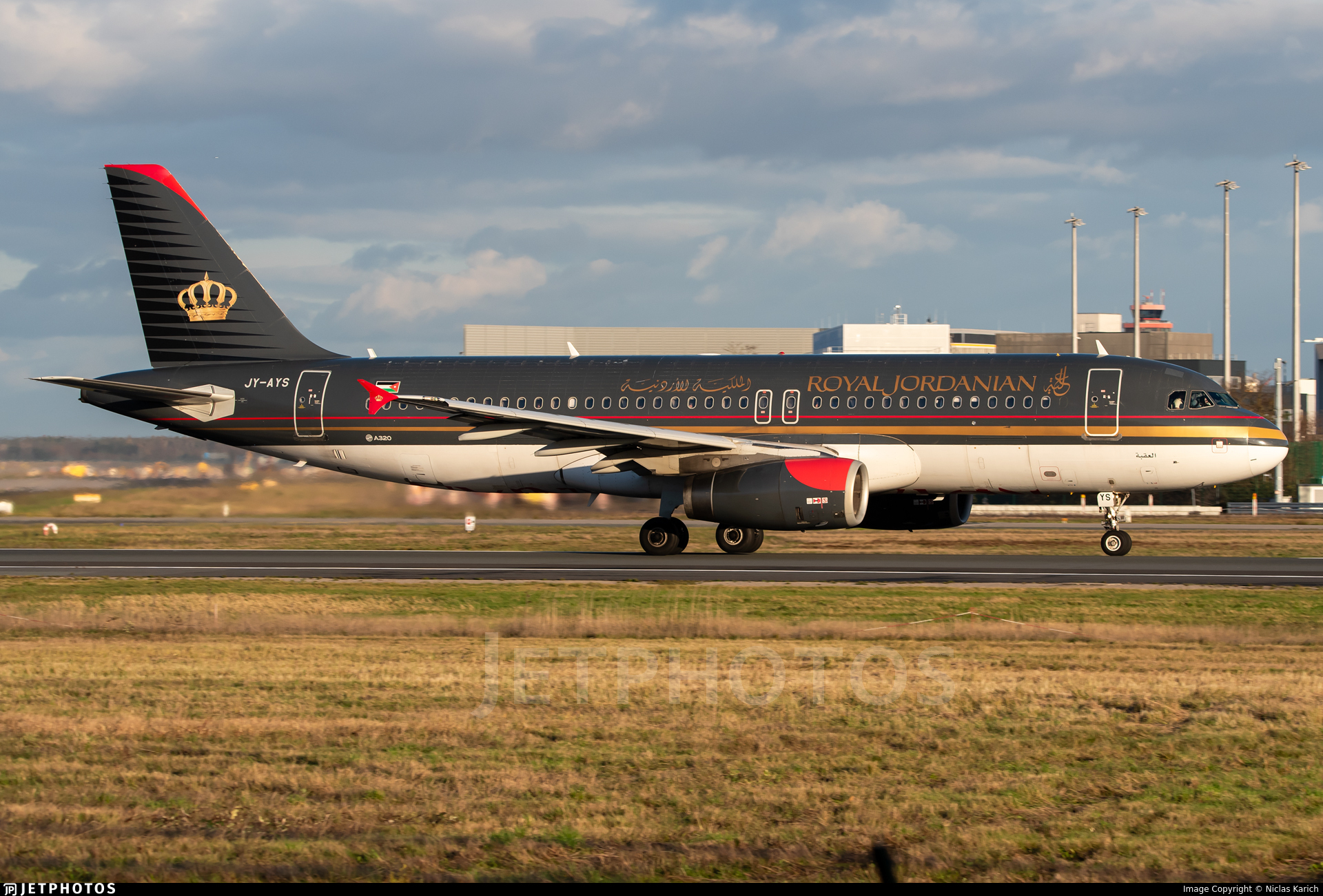
Royal Jordanian Airlines has resumed direct flights between Mumbai and Amman, operating year-round four times weekly with modern A320neo jets. The service strengthens cultural, tourism, and business ties while offering seamless onward travel to over 50 global destinations via the Amman hub . This new route leverages the fuel-efficient Airbus A320neo, reducing emissions by approximately 20% per passenger relative to older aircraft.
With a flight time of under six hours, it offers a low-carbon connection that supports eco‑conscious travel and positions Amman as a strategic gateway for India-bound passengers. The revival also supports equitable city goals by boosting affordable international links . The aircraft features dual‑class cabins, in‑flight Wi‑Fi, and entertainment systems—a notable upgrade signalling Royal Jordanian’s investment in travel comfort. The enhanced passenger experience aligns with India’s growing demand for seamless, modern air travel that respects sustainability .
Industry sources note pent‑up demand for direct connectivity—last served in 2014, travel between Mumbai and Amman averaged 28,000 passengers per year, excluding indirect transit flows. Restoring this link addresses an urgent market gap and offers a green alternative to multi‑stop itinerary options . By linking cultural heritage seekers, business travellers, and the diaspora, the route opens pathways to UNESCO‑recognised sites such as Petra and the Dead Sea. It aligns with the “Explore Jordan” initiative to raise the country’s profile among Indian tourists while strengthening bilateral trade and people-to-people contact .
The frequency—Mondays, Tuesdays, Thursdays, Fridays—facilitates flexible travel schedules. Flight RJ192 departs Amman just after midnight and returns as RJ193 mid‑morning. This timing optimises connectivity to onward flights and suits leisure travel windows . Mumbai International Airport, which restored Amman service on 19 June 2025, welcomes this expansion as part of its broader global outreach strategy. The airport anticipates enhanced passenger throughput and strengthened position as a South Asia gateway .
Environmental groups highlight that A320neo operations reduce fuel consumption and noise pollution, contributing to cleaner urban skies. As aviation pushes for sustainable growth, such aircraft choices help balance passenger demand with emissions targets . Looking ahead, Royal Jordanian’s fleet modernisation—with 19 new A320neos and Boeing 787s due by 2026—signals its commitment to green expansion. For Mumbai travellers, it means future choices between eco‑efficient short‑haul and long‑haul services .
While resumption marks progress, analysts note that to lower travel carbon footprints further, airlines must pursue sustainable aviation fuel, improved air traffic protocols, and offset programmes. Connectivity alone isn’t enough; green operations will define the next frontier . With India advancing gender‑neutral, sustainable urbanisation, improved international links support women travellers, business expansion and cultural exchange. The Mumbai–Amman route exemplifies how transport networks can underpin equitable, low‑carbon development.
Also Read :Air India May Face Unlimited Liability If Found Negligent
