


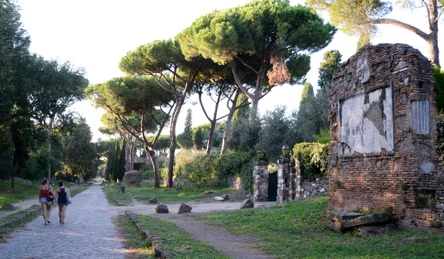
The Appian Way, the earliest and most renowned of Rome’s highways, has been officially designated as a UNESCO World Heritage Site. This prestigious recognition elevates the Appian Way to join the ranks of Italy’s most significant cultural landmarks, making it the 60th site in the country to receive such an honour.
The Appian Way, or Via Appia as it was originally known, was established in 312 BC under the supervision of Appius Claudius Caecus, a distinguished Roman censor. Designed initially as a military route, it extended from Rome to the southern port of Brindisi, serving as a crucial conduit for Roman expansion and administration. The road’s designation by UNESCO highlights its monumental engineering achievements and its pivotal role in the economic and cultural interactions of the Roman Empire. The Appian Way was more than just a road; it was a critical axis for commerce, diplomacy, and cultural exchange that linked the heart of Rome with the broader Mediterranean and Eastern regions.
The Italian Minister of Culture has lauded this inclusion, stating that it underscores the “universal value of an extraordinary engineering marvel.” This recognition not only acknowledges the historical and engineering significance of the Appian Way but also enhances its visibility as a key tourist attraction in modern Rome. UNESCO’s decision to include the Appian Way on its World Heritage List reinforces its global significance, ensuring the road’s preservation for future generations. As a symbol of Rome’s ancient ingenuity and a testament to its enduring legacy, the Appian Way continues to captivate scholars and tourists alike, standing as a living relic of the Roman Empire’s grandeur.
This UNESCO recognition marks a new chapter for the Appian Way, promising increased international interest and a renewed appreciation for its role in shaping the course of history. The road’s elevated status will undoubtedly bolster efforts to safeguard its heritage and celebrate its historical importance on the global stage.
