


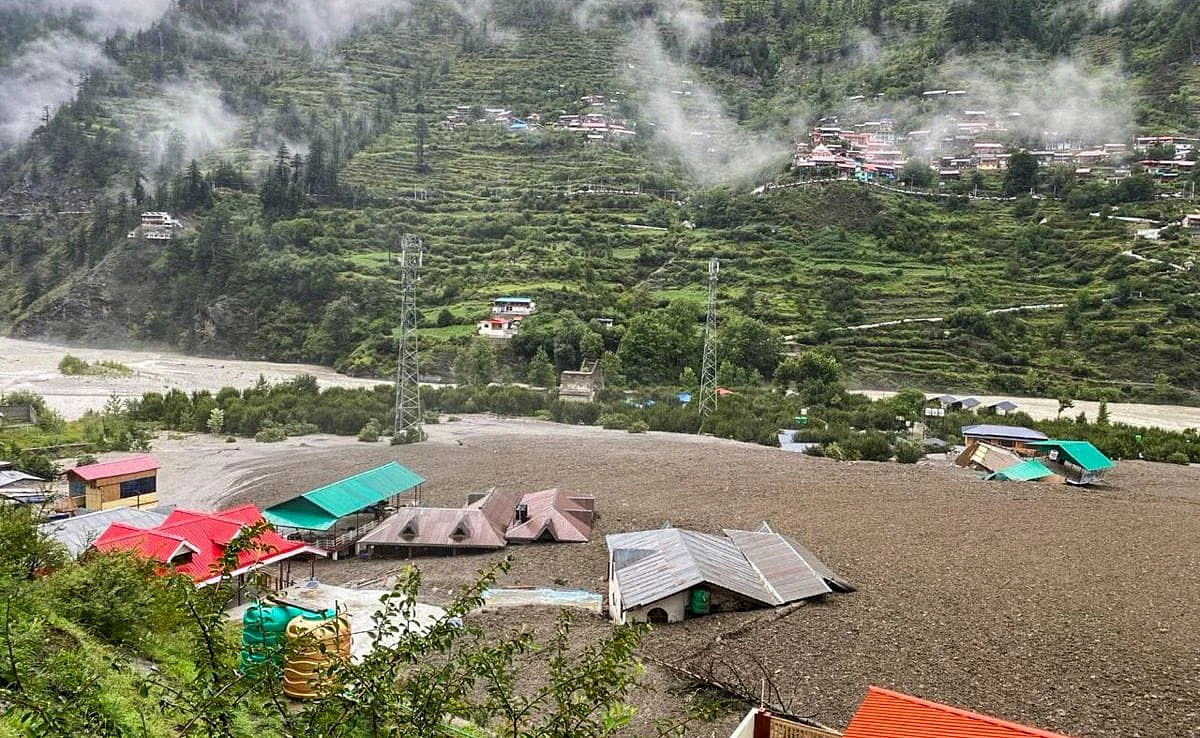
Uttarkashi’s vital road link to Harsil has been successfully restored, weeks after a devastating flash flood in the Kheer Ganga river caused widespread destruction and isolation. The reopening of this crucial corridor provides a much-needed lifeline to residents and military personnel in the region, offering a flicker of hope amidst the ongoing recovery efforts. While the direct road connectivity has been re-established, the higher-altitude pilgrimage to Gangotri remains suspended, underscoring the scale of the challenge still ahead for officials and engineers working to restore normalcy. The disaster serves as a stark reminder of the fragile balance between human activity and the unpredictable power of nature in the fragile Himalayan ecosystem.
The flash flood, which occurred on August 5, not only severed the main road but also wreaked havoc on essential infrastructure in Dharali and Harsil. Nearly half of Dharali, a key stopover for pilgrims, was obliterated, and an army camp in Harsil bore the brunt of the flood’s fury. The human toll is staggering, with a total of 69 people still missing, including nine army personnel and dozens of individuals from various states, painting a tragic picture of the disaster’s far-reaching impact. While the road’s restoration is a significant milestone, the emotional and social wounds of the community are far from healed, making the recovery effort a profoundly human-centric endeavor.
In the wake of the disaster, the Border Roads Organisation (BRO) has been working tirelessly to clear the debris and repair the damaged sections of the road. Their efforts have been concentrated on critical points such as Limchygad, Dabrani, and Songad. Simultaneously, the restoration of essential services like electricity, water, and communication lines in Harsil and Dharali has been a top priority. Essential supplies continue to be distributed to the affected communities, with government agencies, including the Public Works Department, Irrigation, and various disaster response forces, on high alert. The swift and coordinated response by these agencies highlights the importance of institutional resilience in the face of natural calamities.
However, the continued closure of the Gangotri pilgrimage route serves as a sobering reminder of the journey ahead. The path to a full recovery is fraught with challenges, as parts of the Gangotri national highway remain either submerged or severely damaged. The pilgrimage is not just a spiritual journey; it is an economic lifeline for thousands of people, from local shopkeepers and hoteliers to porters and guides. The sustained closure of this route, therefore, has significant socio-economic implications for a region heavily reliant on religious tourism. The official directive to the BRO to expedite repairs is an acknowledgement of this dual challenge: restoring physical connectivity while also reviving the economic heartbeat of the community.
The Uttarkashi disaster is a powerful call for a new paradigm in urban and regional planning, one that aligns with a zero net carbon, eco-friendly, and sustainable agenda. It underscores the urgent need for infrastructure that is not only robust but also built in harmony with the environment. As our cities expand and our transport networks penetrate deeper into ecologically sensitive zones, there must be a greater focus on disaster-resilient construction, early warning systems, and a more equitable and gender-neutral approach to rescue and rehabilitation efforts. The restoration of the Uttarkashi-Harsil road is a critical first step, but the true measure of success will be in the long-term, sustainable solutions that are implemented to prevent future tragedies.
Also Read :Nagpur Gondia Expressway Approved, ₹3162 Crore Project Cuts Travel Time
