



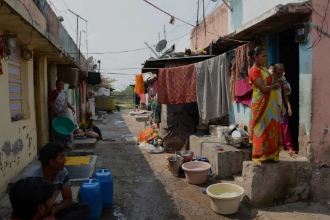
Residents of Anjanapura BDA Layout in Bengaluru have voiced strong opposition to a government plan to relocate slum dwellers to their neighbourhood. The layout, developed by the Bangalore Development Authority (BDA) over two decades ago, is still grappling with fundamental infrastructure issues, particularly the lack of a reliable water supply. This persistent problem has forced the residents to depend on water tankers for their daily needs, as the area remains devoid of piped water connections.
The controversy erupted following a decision by the Karnataka Slum Development Board to shift slum dwellers from Kengeri and Shankarpally to Anjanapura. Originally, these communities were slated to be relocated to Uttarahalli and Gollahalli. However, intense resistance from residents of Gollahalli led to a change in plans, with Kembathalli Village near NICE Road emerging as the new relocation site.
Anjanapura residents argue that their area is already struggling with inadequate infrastructure and cannot support an influx of new residents without further straining resources. The water scarcity issue, which has plagued the layout since its inception, is a particular point of concern. Despite promises of development, the area has seen little improvement in its basic amenities, leaving residents frustrated with the lack of progress.
The decision to relocate slum dwellers to Anjanapura has sparked fears among existing residents that the already insufficient infrastructure will deteriorate further. They contend that the layout’s current amenities cannot accommodate additional residents, particularly those from underprivileged backgrounds who may require more substantial support services. The move has also raised concerns about potential increases in social tensions, as the sudden influx of new residents could disrupt the existing community dynamic. The relocation plan has put the Karnataka Slum Development Board in a challenging position, as it must balance the need for providing housing to slum dwellers with the legitimate concerns of established residents. While the board has justified its decision by citing the need for land availability and logistical convenience, the opposition from Anjanapura residents suggests that a more inclusive approach may be required to address the concerns of all stakeholders.
Residents are calling for a reconsideration of the relocation plan, urging the authorities to address the pressing infrastructure issues in Anjanapura before adding to the population density. They argue that without significant improvements in basic services like water supply, any additional strain on the already fragile infrastructure could lead to a decline in the quality of life for all residents. As the situation unfolds, the relocation of slum dwellers to Anjanapura has become a flashpoint for broader debates about urban planning, resource allocation, and community rights in Bengaluru. The outcome of this dispute will likely have far-reaching implications for how the city manages its growth and addresses the needs of both its existing residents and those seeking better living conditions.
