


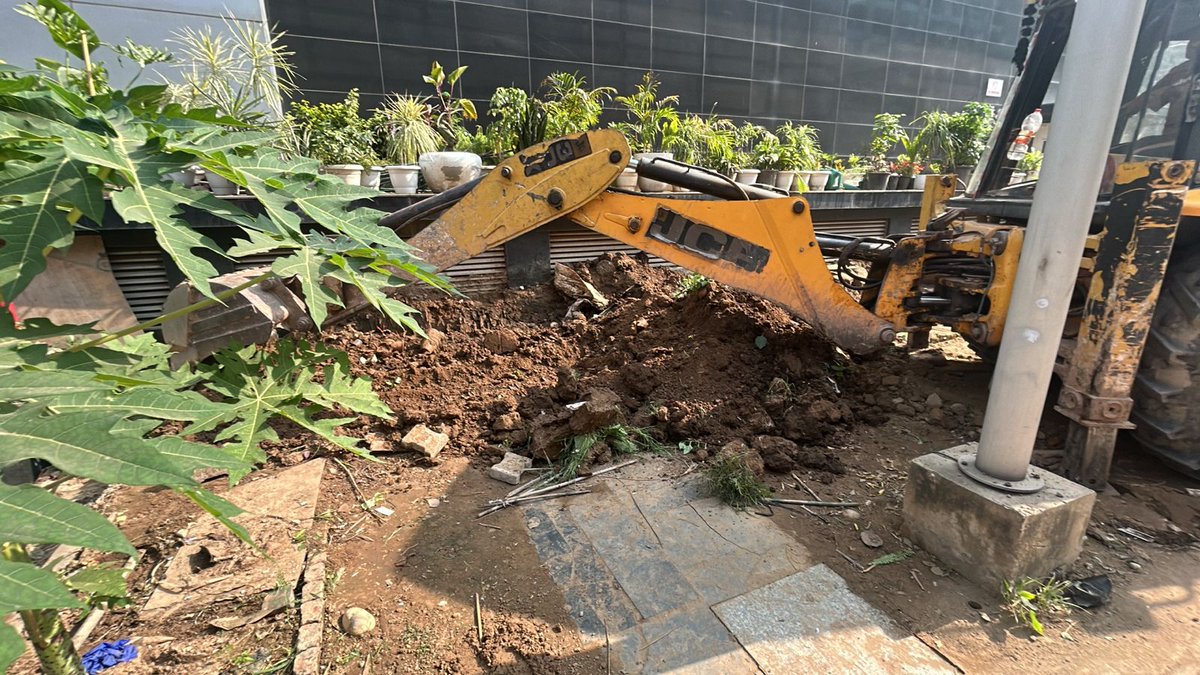
The Chandigarh Housing Board has initiated a stringent enforcement drive targeting unauthorised building modifications in Sectors 39, 41 and 45, issuing directives to residents to either regularise structural changes or face action under urban development regulations.
The move highlights growing determination by urban authorities to enforce planning norms and curb ad-hoc construction in some of the city’s most densely populated residential areas, even as homeowners increasingly seek to customise properties in response to evolving lifestyle needs. Housing Board officials say the inspections were prompted by reports of structural alterations — including extensions, additional floors and unauthorised enclosures — that deviate from approved plans and compromise safety, aesthetics and essential utilities. Notices served to property owners call for either correcting these deviations or applying for regularisation within a defined timeframe, failing which legal action and penalties could follow.
Urban planners and building regulation experts note that enforcing approved building codes is essential in a planned city like chabdigarh, where uniform streetscapes, proper setbacks and infrastructure capacities are calibrated to specific design standards. Unregulated modifications, while often born of genuine resident needs — for space optimisation, guest accommodation or home offices — can strain electrical loads, disrupt drainage alignments and undermine fire safety clearances. Chandigarh’s housing sectors have seen rising demand for modernisation as families expand, remote work patterns persist, and property values increase. These pressures have encouraged many to reconfigure living spaces, sometimes without seeking prior approvals from competent authorities. However, planners warn that piecemeal changes can cumulatively affect urban form and public utilities if left unchecked.
The Housing Board’s action reflects a broader push by civic authorities to harmonise development with statutory plans, ensuring that residential growth does not outpace infrastructure capacity or erode environmental quality. Inspections in Sectors 39, 41 and 45 have been accompanied by outreach to resident welfare associations to inform them of compliance needs and assist in regularisation procedures. Housing and infrastructure analysts argue that enforcement alone is not sufficient; clear pathways to regularise existing alterations, supported by transparent fee structures and technical support, are crucial to achieving long-term compliance. Simplified approval processes for minor modifications, coupled with penalties for serious violations, could encourage voluntary conformity and reduce litigation burdens on municipal agencies.
The drive also intersects with public safety priorities. Structural deviations that circumvent engineered design can elevate risks, especially in older buildings where load-bearing capacities and fire escape routes were calibrated to original plans. Ensuring that constructed spaces meet contemporary safety norms is vital to minimise risks related to electrical faults, water damage and emergency evacuation scenarios. Municipal officials have emphasised that the current enforcement phase focuses on education as much as compliance. Notices include information on acceptable alterations, documentation requirements and procedural timelines. Residents have been encouraged to engage with planners early to avoid punitive steps.
As Chandigarh seeks to preserve the orderly spatial logic of its residential sectors, the Housing Board’s crackdown underscores the ongoing tension between individual property preferences and collective urban planning imperatives. The effectiveness of these actions will depend on balancing enforcement with facilitation, enabling homeowners to adapt their spaces without overwhelming civic infrastructure or compromising safety.
Also Read: Chandigarh’s 2026-27 Municipal Budget Shows Rs 400 Crore Resource Shortfall
