


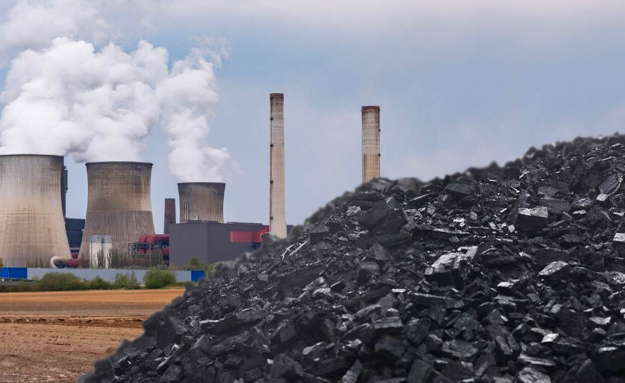
India’s energy sector, the dominance of coal in the nation’s power generation landscape has waned, dropping below the pivotal 50% mark for the first time in history.
This transition, underscored by a surge in renewable energy capacity, heralds a seismic shift towards a cleaner and more sustainable energy paradigm. According to the latest findings from the CEEW Centre for Energy Finance (CEEW-CEF) Market Handbook, renewable energy sources accounted for a staggering 71% of the 26 gigawatts (GW) of power generation capacity added in India during the fiscal year 2023-24. This surge in renewable installations propelled India’s total installed capacity to 442GW, with renewables contributing 144GW (33%) and hydroelectric power contributing 47GW (11%). The report’s revelations are emblematic of India’s steadfast commitment to reducing its reliance on fossil fuels and embracing cleaner alternatives. Solar power emerged as the undisputed frontrunner in India’s renewable energy expansion, with grid-scale and rooftop installations comprising 81% of the renewables added, totaling 15GW. Furthermore, wind capacity witnessed a commendable rise, reaching nearly 3.3GW from 2.3GW in the preceding year.
Crucially, the report highlights the diversification of India’s energy portfolio, with innovative formats such as wind-solar hybrids and renewable energy-plus-storage solutions accounting for a significant share of the auctioned capacity. This reflects a strategic pivot towards integrating storage capabilities into renewable energy infrastructure, enhancing grid stability and reliability. India’s ambitious climate commitments, outlined in its updated pledges to the United Nations, underscore the nation’s resolve to combat climate change and transition towards a low-carbon economy. With targets to reduce GDP emissions intensity by 45% from 2005 levels and achieve 50% of its power capacity from non-fossil sources by 2030, India’s trajectory aligns with global efforts to mitigate the impacts of climate change. Despite these encouraging developments, challenges persist, as evidenced by a surge in peak power demand driven by economic growth, below-average rainfall, and extreme temperatures. However, the trajectory is clear: India’s energy landscape is undergoing a profound transformation, fueled by a resolute commitment to sustainability and resilience in the face of climate adversity.
