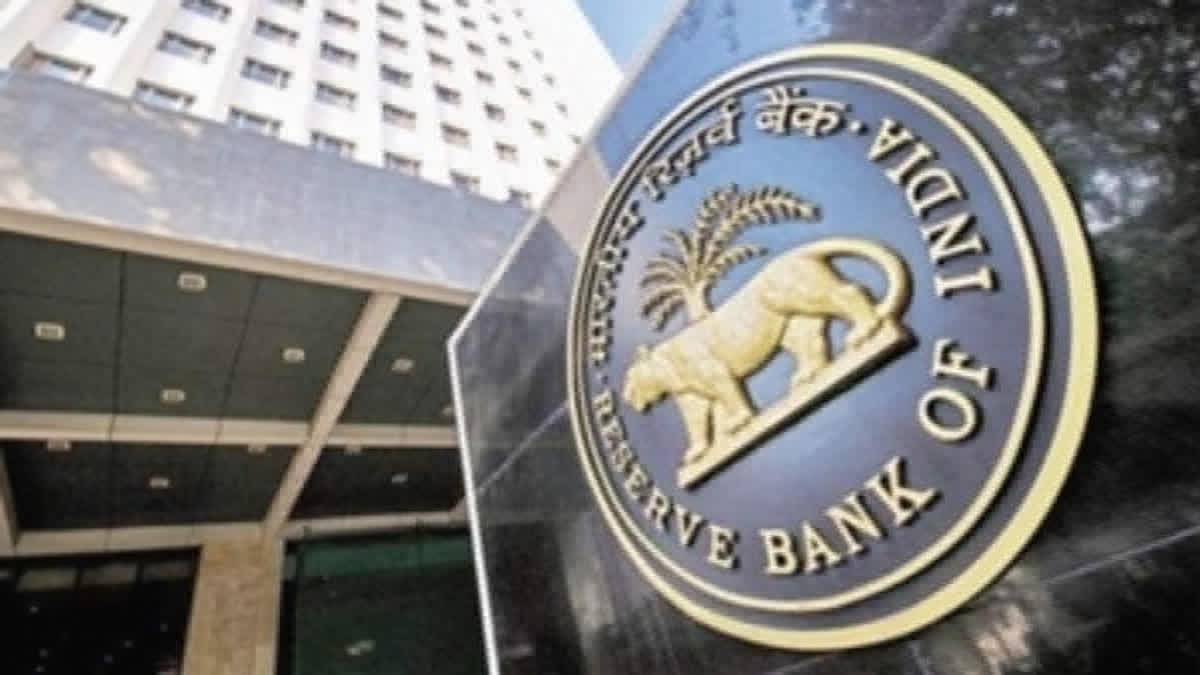
India’s central bank has taken a significant step towards reshaping real estate finance by allowing banks to extend direct lending to Real Estate Investment Trusts under a defined prudential framework. The move marks a departure from earlier restrictions that limited banks’ exposure to these investment vehicles and signals a broader recalibration of how institutional capital flows into income-generating urban assets.
The decision is expected to influence commercial real estate markets across major Indian cities, where REITs play a growing role in owning and operating office parks, logistics hubs, and mixed-use developments. By formalising bank lending with safeguards, the regulator aims to balance financial stability with the need for long-term capital to support organised, transparent real estate structures. Under the revised approach, banks will be permitted to lend directly to REITs while adhering to exposure limits, asset quality norms, and concentration thresholds. Financial sector experts say the safeguards are designed to prevent excessive risk-taking while recognising that REITs differ structurally from traditional property developers. Unlike speculative construction-led models, REITs are backed by completed, revenue-generating assets with predictable cash flows.
For cities, the implications extend beyond balance sheets. REIT-owned assets typically operate under higher disclosure standards, energy-efficiency benchmarks, and professional facility management practices. Urban planners note that easier access to regulated credit could accelerate investment into well-connected business districts, transit-oriented commercial hubs, and climate-resilient building upgrades, particularly in office and warehousing segments. Industry analysts also point out that the change may reduce over-reliance on capital markets for REIT fundraising. Until now, trusts largely depended on bond issuances, non-bank lenders, or equity dilution to fund acquisitions and refinancing. Bank credit, if priced responsibly, could lower funding costs and stabilise returns for long-term investors such as pension funds and insurance pools.
However, the central bank’s cautious framing suggests that this is not an open-ended relaxation. Officials familiar with the regulatory thinking indicate that lending will remain linked to underlying asset performance, lease stability, and sponsor quality. Banks will also be required to closely monitor tenant concentration risks and sectoral exposure, particularly in markets facing oversupply or demand volatility. From a housing and urban development perspective, the move reinforces a gradual shift towards institutionalising real estate finance. Policy observers say deeper bank participation in REITs could encourage developers to move away from high-leverage, short-term construction cycles and towards asset-heavy, income-focused models aligned with sustainable urban growth.
As India’s cities expand and modernise, the challenge lies in directing capital towards infrastructure-efficient, low-carbon, and people-centric built environments. The success of this regulatory change will depend on how prudently banks deploy credit and how responsibly REITs channel it into assets that strengthen urban economies without amplifying systemic risk.
RBI Allows Banks To Lend Real Estate Investment Trusts Directly