India Coal Gasification Rules Reshape Mining Plans
A sharp rise in coal demand across parts of Jharkhand is exposing the fragility of urban energy systems, as eateries and small businesses pivot away from liquefied petroleum gas (LPG) amid ongoing supply disruptions. The shift has triggered a surge in informal coal supply networks, particularly in districts such as Ranchi, Hazaribag, and Ramgarh, where alternative fuel access remains uneven.
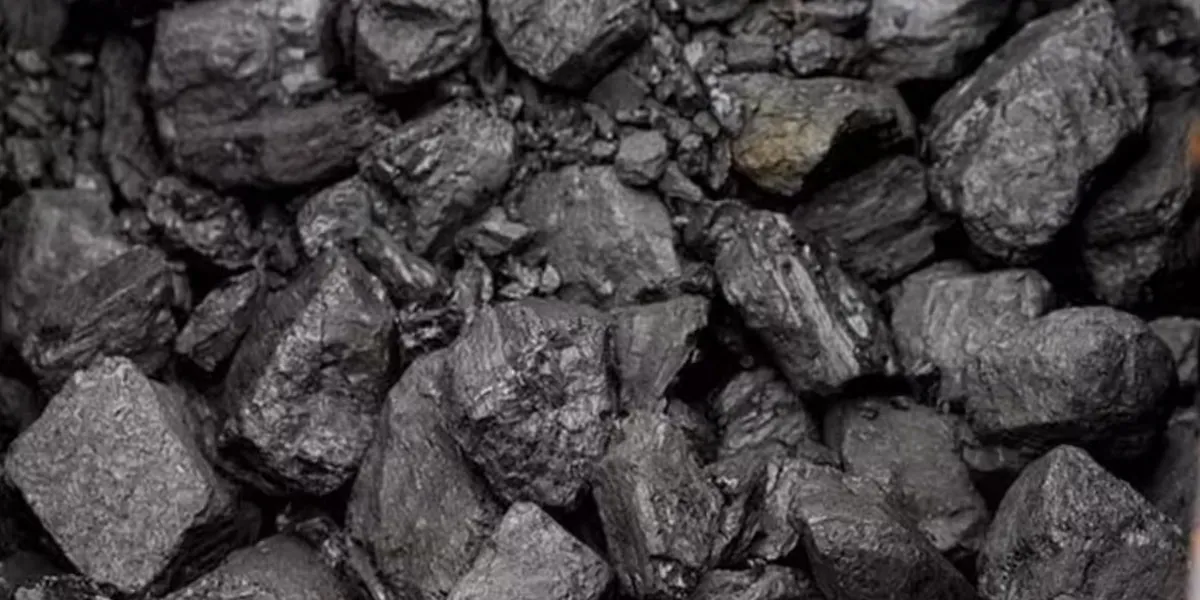
The growing reliance on coal is being driven by necessity rather than choice. With commercial LPG supplies constrained and refill costs rising, roadside vendors, small restaurants, and even institutional kitchens have increasingly turned to coal-fired cooking methods to sustain operations. This demand spike has led to the rapid expansion of informal and often unregulated coal trade channels. Coal sourced from abandoned or illegal mining sites is being transported and distributed through local networks, creating a parallel supply chain that operates outside formal oversight. For urban economies, the implications are immediate and layered. Small food businesses—critical to affordable urban consumption—are facing rising input costs as coal prices climb alongside demand. At the same time, the dependence on informal sources increases exposure to safety risks, inconsistent fuel quality, and potential legal consequences for vendors operating at the margins of regulation.The trend is not isolated. Across multiple Indian cities, the LPG shortage has forced a broader return to traditional fuels such as coal, firewood, and kerosene, underscoring systemic vulnerabilities in commercial energy supply chains. From an urban planning perspective, the resurgence of coal as a primary cooking fuel raises significant environmental and public health concerns.
Increased use of coal-fired stoves contributes to localised air pollution, particularly in dense market areas where ventilation is limited. Experts warn that such shifts could reverse gains made in cleaner fuel adoption over the past decade, especially among low-income and informal sector workers.The situation also highlights the uneven accessibility of cleaner alternatives. While piped natural gas and electric cooking solutions are expanding in larger cities, many smaller urban centres and peri-urban areas remain dependent on LPG and, increasingly, fallback fuels like coal. This disparity reinforces the need for more decentralised and resilient energy infrastructure.Policy responses so far have focused on stabilising LPG supply and encouraging temporary fuel substitution. However, the current disruption points to a deeper structural issue: the lack of diversified, reliable energy options for small commercial users who form the backbone of urban service economies.
As demand pressures persist, the sustainability challenge becomes more acute. Balancing affordability, accessibility, and environmental impact will be critical in shaping future urban energy strategies. Without targeted interventions, the growing dependence on informal coal networks risks entrenching a high-emission, high-risk fuel ecosystem in cities already grappling with pollution and infrastructure stress.